
Musty Smell Comebacks: Moisture Meter vs Dehumidifier Calculator
The musty smell fades when the dehumidifier runs, then drifts back a week later. At that point the useful question is not which product to buy, but which tool actually tells you why it keeps returning: a dehumidifier sizing calculator, or a moisture meter. They answer very different questions, and only one of them diagnoses anything.
A recurring musty smell is a clue, not a mystery. It almost always means moisture is still present somewhere, feeding mildew that never fully clears. The confusion is that the two tools people reach for, a sizing calculator and a moisture meter, sound like alternatives when they are really steps in different stages. Knowing which does what turns a frustrating game of whack-a-mole into a quick, ordered check.
Bottom Line First
For diagnosing why a musty smell keeps coming back, a moisture meter wins easily, because a comeback usually points to an unaddressed moisture source that only a meter can locate in your walls, floors, or wood. A dehumidifier sizing calculator does not diagnose anything; it tells you what capacity unit to buy once you already know you have a humidity problem. The fastest real workflow uses three things in order: a hygrometer to confirm the air is too humid, a moisture meter to find where the water actually is, and only then a sizing calculator to pick a dehumidifier big enough to fix it.
The tools do three different jobs
The reason the comparison feels muddy is that there are actually three instruments in play, each answering a separate question.
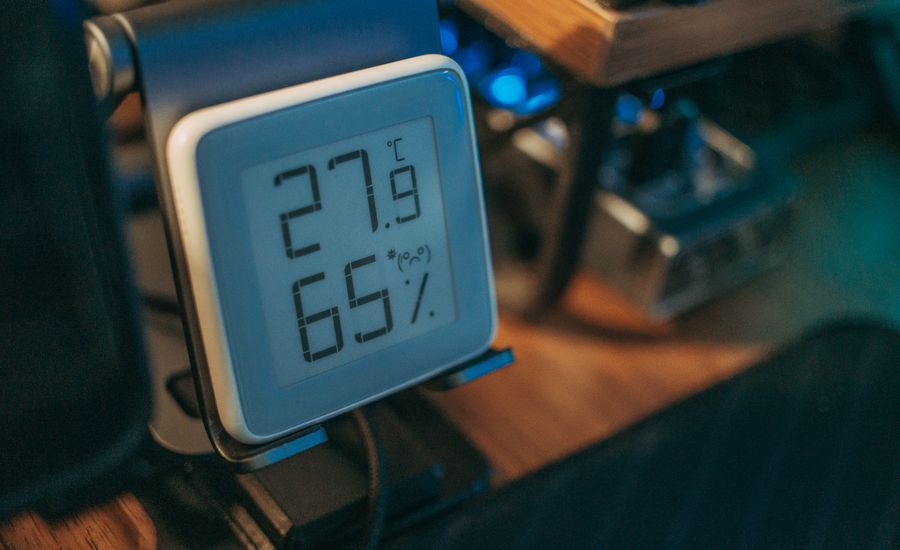
A hygrometer, often sold as a small thermo-hygrometer, measures the moisture in the air, your relative humidity. It is the fast first check. The EPA recommends keeping indoor humidity between 30 and 50 percent, and once it climbs above about 60 percent, mold can start growing within a day or two. A hygrometer tells you in seconds whether your air is in the danger zone.
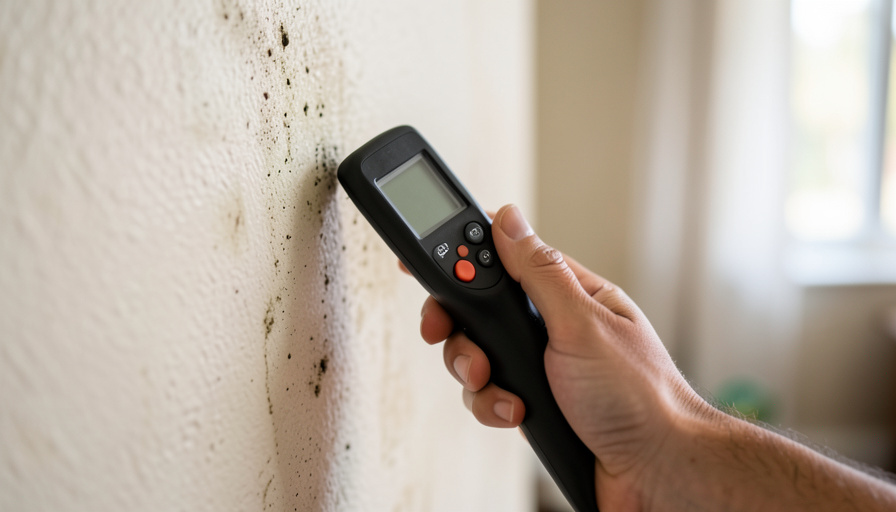
A moisture meter measures the water held inside materials, probing drywall, wood, or concrete to reveal damp that you cannot see or smell precisely. This is the diagnostic tool. It finds the wet spot behind the baseboard, the still-damp subfloor, or the wall that never dried after a leak, which is exactly the hidden source a returning musty smell is pointing at.
A dehumidifier sizing calculator is not a measuring tool at all. It is a buying aid that estimates the capacity, in pints of water per day, you need for a space based on its size and how damp it is. It helps you fix a confirmed problem; it cannot find one.
Why the smell keeps coming back
A musty odor that returns after you run a dehumidifier has two common explanations, and the right tool depends on which one you are facing. The first is that the dehumidifier is simply undersized for the space and its dampness, so it never gets the humidity low enough to stay ahead of the mildew. That is a sizing-calculator problem. The second, and more common with true comebacks, is that there is an active moisture source the dehumidifier is not addressing at all, a slow leak, damp entering through a foundation, or materials that stayed wet. A dehumidifier can dry the air all day and the smell will keep returning because the source is still feeding it. That is a moisture-meter problem, and no calculator will ever surface it.
The fast diagnostic workflow
Rather than choosing one tool, run them in the order that finds the answer quickest:
- Start with a hygrometer. Leave it in the affected room for a day. If humidity sits above 50 to 60 percent, you have confirmed a general moisture problem and a dehumidifier is part of the fix.
- Move to a moisture meter. Probe the walls, floors, baseboards, and any wood near where the smell is strongest, along with obvious suspects like under sinks and near foundations. High readings pinpoint the source the odor is coming from.
- Fix the source first. Repair the leak, improve drainage or ventilation, and let wet materials dry, because a dehumidifier alone will not beat an active water source.
- Then use a sizing calculator. With the source handled, size a dehumidifier to the space and its remaining dampness so it can hold humidity in the safe range for good.
When the calculator really is the answer
To be fair to the calculator, there is a case where it is the tool you need. If your hygrometer shows high humidity but a moisture meter turns up no hidden source, and the space is just naturally damp, a basement, a laundry room, a humid climate, then the problem genuinely is that you need enough dehumidifying capacity. Undersizing is a real and common mistake. As a rough guide, smaller rooms often need around 20 to 30 pints per day while damp basements can need 35 to 50, and ENERGY STAR advises sizing by both the space and its moisture level rather than square footage alone. In that scenario the calculator earns its place. It just comes after the meter, not instead of it.
Key Takeaways
- A moisture meter diagnoses a recurring musty smell faster because it finds the hidden moisture source; a sizing calculator cannot find anything.
- A hygrometer is the quick first check: aim for 30 to 50 percent humidity, since mold grows above about 60 percent.
- Returning smells usually mean an unaddressed source, such as a leak or damp materials, rather than an undersized unit.
- Use the tools in order: hygrometer to confirm, moisture meter to locate, then a calculator to size the dehumidifier.
- The sizing calculator is the right tool only when a space is simply too damp and no hidden source exists.
For more home-maintenance guides, browse the DelightfulBlogs Home Improvement section, or follow our News desk.
Frequently Asked Questions
Which is better for a musty smell, a moisture meter or a dehumidifier calculator?
For finding out why the smell keeps returning, a moisture meter, because it locates the hidden damp source in materials. A dehumidifier sizing calculator only tells you what size unit to buy once you have confirmed a humidity problem, so it comes later in the process.
What humidity level causes a musty smell and mold?
Mold and musty odors thrive when indoor humidity rises above about 60 percent, and mold can begin growing within 24 to 48 hours at that level. The EPA recommends keeping indoor humidity between 30 and 50 percent to prevent it.
Why does my musty smell come back after running a dehumidifier?
Usually because there is an active moisture source the dehumidifier is not fixing, such as a slow leak or damp materials, so the smell keeps being fed. Less often, the dehumidifier is undersized for the space. A moisture meter distinguishes the two by finding, or ruling out, a source.
Do I need a hygrometer and a moisture meter?
They complement each other. A hygrometer measures moisture in the air for a fast overall reading, while a moisture meter measures water inside walls and floors to pinpoint a source. Using both gives you the full picture quickly, and neither is expensive.
What size dehumidifier do I need?
It depends on the room size and how damp it is. Smaller rooms often need roughly 20 to 30 pints per day and damp basements 35 to 50, but ENERGY STAR advises choosing capacity based on both space and moisture level together, not square footage alone.
The Bottom Line
The instinct when a musty smell returns is to buy a bigger dehumidifier, and a sizing calculator makes that feel like progress. Sometimes it is. But a smell that keeps coming back is usually telling you there is water somewhere you have not found, and only a moisture meter, backed by a hygrometer, will point you at it. Diagnose first with the meter, fix the source, and size the dehumidifier last. Do it in that order and the smell stops returning, instead of just retreating until the next damp week.