

Can an Invoice Template Fix Net 30 Payment Confusion?
You finish your first real freelance job, feel like a professional as you type up the invoice, and then you hit the payment terms and pause. You write Net 30 because that is what everyone seems to use, send it off, and only afterward realize you are not sure what it actually means. When does the clock start? Is that 30 business days or calendar days? When should you actually expect the money? Here is the uncomfortable part: your client may be just as unsure, and that shared vagueness is exactly how invoices end up paid late or chased awkwardly. So can a better invoice template clear it up? Mostly yes, if it turns Net 30 from a vague label into concrete, spelled-out terms.
The good news is that this is a solvable problem, and the solution is not a lawyer or a stern email. It is a template that removes every place confusion can hide. Instead of writing two words and hoping, you put an exact due date on the page, explain the terms in plain language, and give the client everything they need to pay you without a single question. Let us look at what Net 30 really means, then at exactly what a good template should contain.
The Short Answer
Yes, a well-built invoice template can largely fix Net 30 confusion, because most of the confusion comes from vagueness the template can remove. Net 30 means the full amount is due within 30 calendar days, usually counted from the invoice date, but people misread when the clock starts and whether weekends count. A good template replaces the label with an explicit due date, states plainly when the 30 days begin, lists accepted payment methods, and spells out a late fee. Agree the terms before you start the work, put them clearly on every invoice, and both you and the client are finally reading from the same page.
Why net 30 causes so much confusion
Net 30 sounds precise, but it leaves room for several honest misunderstandings. It means the net, or full, amount is due within 30 days, and those are calendar days, including weekends and holidays, not business days. The bigger trap is when the 30 days start, because it can be counted from the invoice date, the ship date, or the delivery date depending on what was agreed, and if you and the client assume different starting points, you will disagree about the due date by days or weeks. On top of that, a client who reads Net 30 as pay by day 30 will often pay on day 30, and once you add internal approvals and bank processing, the money can land closer to day 40. As payment guides that explain business payment terms like net 30 point out, the term is standard but easy to misread, which is exactly why writing it out clearly matters so much.
This article is general business information, not legal or financial advice. Payment terms, late-fee rules, and their enforceability vary by location and situation, so adapt any wording to your own business and local law, and consider professional advice for significant contracts before relying on it.
What to put on the template to end the confusion
- Print an explicit due date, rather than the label Net 30 alone. The single most powerful fix is to calculate the actual calendar date payment is due and put it on the invoice in bold, such as a specific day and month. A client cannot misread a real date the way they can misread a label, and it removes the entire when-is-this-due question at a glance.
- State plainly when the 30 days start. Add a short line saying the terms are net 30 from the invoice date, or whatever start point you agreed, so there is no argument about whether the clock runs from invoicing, shipping, or delivery. Naming the start date is what makes the due date above unambiguous rather than something to debate later.
- Show the invoice date and a unique invoice number. Every invoice needs a clear issue date, since your terms count from it, and its own reference number so both sides can track it. These basics also make your follow-ups easy, because you can refer to a specific numbered invoice rather than a vague this month’s work.
- List accepted payment methods and their details. Spell out exactly how the client can pay, whether by bank transfer, card, or an online service, with the details they need, and note that methods like bank transfers can take extra days to clear. Removing the how do I even pay you step is a quiet but common cause of delay.
- Include a late-fee clause, agreed in advance. State any late fee or interest that applies past the due date, in plain terms, so it is known before the work rather than sprung afterward. Even a modest, clearly stated late fee gives a client a reason to pay on time and gives you a fair footing if they do not.
- Add every field the client actually needs. Larger or procurement-style clients often require a purchase order number, a specific billing contact, or your correct legal business name to process payment, and a missing field can get an invoice rejected or stuck. Ask what they need before you invoice, and build those fields into your template so it is never bounced back.
- Itemize the work and totals to match the scope. List what you did, the amounts, and a clear total that lines up with what you quoted, so nothing on the invoice surprises the client. An invoice that matches the agreed scope sails through approval, while an unexpected number invites a query that stalls the whole payment.
- Add a short, plain-language terms note. Include a brief line that restates the terms simply, for example that the balance is due within 30 calendar days of the invoice date, and mention any early-payment discount you offer, such as a small percentage off for paying within ten days. Plain wording beats jargon for a client who may be as new to this as you are.
- Put your contact details and a follow-up plan in place. Make sure your name, email, and any business details are easy to find so a client with a question can reach you fast, and decide in advance when you will send a friendly reminder before and after the due date. A template plus a simple reminder routine is what turns clear terms into money in your account.
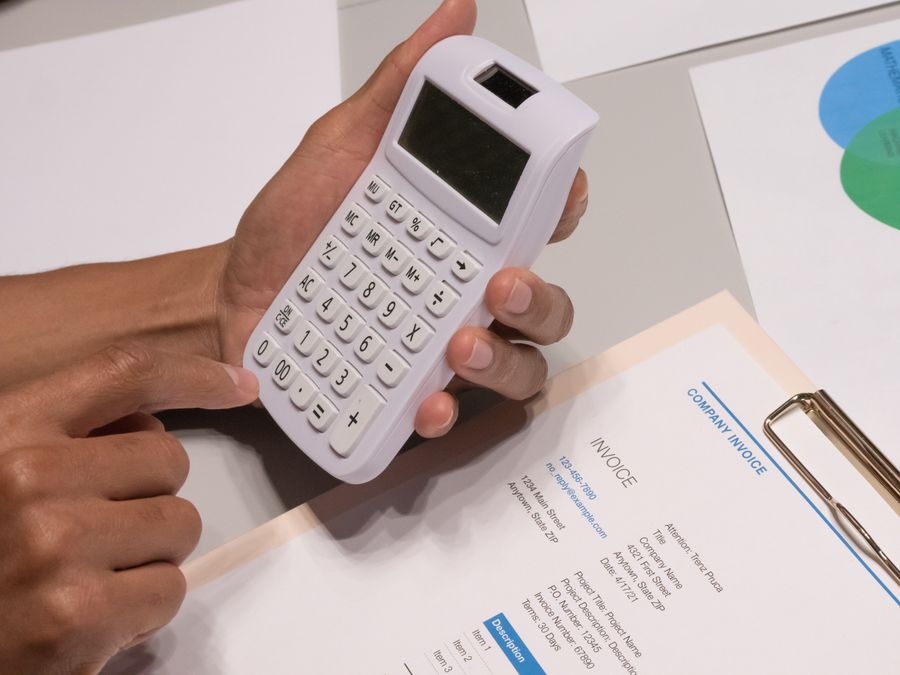
How to use the template so you actually get paid on time
A clear template does most of the work, but a few habits around it seal the deal. Agree the payment terms before you start, not on the invoice itself, so Net 30, the due date, and any late fee are something the client already accepted rather than a surprise at the end. Send the invoice promptly the moment the work is delivered, since the clock usually starts at the invoice date, and every day you delay sending it is a day added to your wait. Confirm the client received it and that nothing is missing for their system, especially a purchase order number. Then follow your reminder plan: a polite note a few days before the due date and again just after if it passes. Treat Net 30 as a form of credit you are extending, offered to clients you trust and tracked carefully, which is sound practice for managing your small-business finances. Do this consistently, and clear terms turn into reliably on-time payments.
Main Takeaways
- Net 30 means the full amount is due within 30 calendar days, usually from the invoice date, and that vagueness is what causes confusion.
- The biggest fix is printing an explicit due date on the invoice, rather than the label Net 30 alone.
- State plainly when the 30 days start, list payment methods, and include a clearly agreed late fee.
- Add every field the client needs, such as a purchase order number, so the invoice is not rejected or delayed.
- Agree terms upfront, send the invoice promptly, and follow a simple reminder routine to get paid on time.
For more freelance and small-business guides, browse the DelightfulBlogs Business section, or see our guide to a scope template that prevents unlimited-revisions disputes.
Frequently Asked Questions
What does Net 30 actually mean on an invoice?
Net 30 means the full invoice amount is due within 30 days, and those are calendar days, including weekends and holidays, not business days. The 30 days are usually counted from the invoice date, though some agreements start from the delivery or ship date. Because that starting point can vary, the clearest approach is to write an explicit due date on the invoice so there is nothing to interpret.
Does Net 30 start from the invoice date or the delivery date?
It depends on what you and the client agreed, which is precisely why it causes confusion. Most commonly the 30 days run from the invoice date, but it can be the ship or delivery date. Rather than leave it open, state the start point on your invoice, such as net 30 from the invoice date, and pair it with a calculated due date so both sides read the deadline the same way.
Should a first-time freelancer even offer Net 30?
You can, but treat it as credit you are extending, since it means waiting a month or more to be paid. For newer clients or tight cash flow, shorter terms like net 14, or a deposit upfront, can be safer. If you do offer Net 30 to attract or accommodate larger clients, protect yourself with clear written terms, a late fee, and a follow-up routine so the long wait does not become an even longer one.
How do I get clients to pay faster than Net 30?
A common tactic is an early-payment discount, often written as a small percentage off for paying within ten days while the full amount stays due at 30. Beyond that, send the invoice immediately, make paying easy with clear methods, put an explicit due date on it, and send polite reminders before and after that date. Clear terms and a little friendly persistence move most payments earlier.
What should I do if an invoice is overdue?
Start with a polite, factual reminder referencing the invoice number and the due date, and confirm the client has everything they need to pay, such as a purchase order number. If a stated late fee applies, note it. Many late payments are simple oversights or stuck approvals rather than refusals, so a calm, prompt follow-up usually resolves it, which is far easier when your terms were clear on the invoice from the start.
The Bottom Line
An invoice template genuinely can reduce Net 30 confusion, because that confusion is almost entirely about vagueness the template can erase. Swap the bare label for an explicit due date, say plainly when the clock starts, list how to pay, and state your late fee, all agreed before the work begins. Add the fields your client needs and a simple reminder habit, and you turn a term you were unsure about into a clear, professional expectation. Get that right on your very first invoices, and you spend far less of your freelance life wondering when, or whether, the money is coming.