

Is Paying Outside a Marketplace a Scam Warning Sign?
You find the item you have been hunting for, the price is fair, the seller seems friendly, and then comes the message: just send it by Zelle directly so we can skip the platform fees. It sounds reasonable, even helpful, and you are tempted to save a few dollars. Pause right there. A seller who insists you pay outside the marketplace is showing you one of the clearest warning signs in all of online buying and selling. It is not always a scam, but it removes the exact protections that would save you if it were, which is precisely why scammers push for it. Here is why the request is such a red flag, and how to respond whether you are buying or selling.
The reason this matters so much is that the marketplace itself is your safety net. When a payment goes through the platform’s own system, you usually get buyer or seller protection, a record of the deal, and a way to dispute it if things go wrong. Step outside that system and you are on your own, often using a payment method that cannot be reversed. Scammers know this, so getting you off-platform is frequently their first move. Let us look at why it is risky, the specific tactics to watch for, and exactly how to handle it.
The Short Answer
Yes, a seller or buyer insisting you pay outside the marketplace is a major scam warning sign. On-platform payment is what gives you buyer or seller protection, a record of the transaction, and a path to dispute or refund. Moving off-platform, to Zelle, a payment app sent as friends and family, a wire, gift cards, crypto, or a direct invoice or QR link, usually means the payment cannot be reversed and the platform cannot help you. The save the fees pitch is classic bait. Keep the entire conversation and payment inside the marketplace, decline off-platform requests, and report and block anyone who pressures you.
Why paying off-platform is so risky
Marketplaces make their money from fees, and in exchange they offer protection: a secure checkout, a record of the deal, and a process to get your money back if an item never arrives or is not as described. All of that protection is tied to paying through the platform. The moment you pay by Zelle, a bank transfer, gift cards, or a payment app sent as friends and family, you generally lose any recourse, because those methods are built to move money instantly and irreversibly, much like handing over cash. Scammers push you off-platform precisely to escape the oversight and take a payment you can never claw back, which is why the FTC’s guidance on buying from an online marketplace stresses using protected payment methods and staying within the platform. A request to pay outside the app is a request to give up your safety net.
This article is general consumer safety information, not financial or legal advice. Scam tactics, platform policies, and payment protections vary and change, so follow the current safety guidance of the marketplace you use, and if you have already sent money, contact your bank or payment provider immediately and report it to the authorities.
The off-platform tactics to watch for
- Just Zelle or pay me to skip the fees. The most common pitch frames going off-platform as a favor that saves you money. In reality it strips your protection, and the small saving is the bait. A genuine, trustworthy seller is happy to use the platform’s checkout, so treat the fee-avoidance ask as a warning rather than a deal.
- A direct invoice or QR pay link. The seller sends an invoice by email or a QR code that takes you to an outside payment page. These can be entirely fake, designed to capture your card details or send money to a stranger. Never pay through a link or code sent in chat, only through the marketplace’s own checkout.
- The checkout is broken, use my other app. A claim that the platform’s payment system is down, and a nudge to use a different app instead, is a manufactured excuse to get you off-platform. A real payment problem is the platform’s job to fix, so if checkout genuinely fails, wait or contact support rather than switching methods.
- Let us move this to text or WhatsApp. Getting you to continue the conversation off the marketplace removes the record and the platform’s ability to see what is happening. Once you are chatting privately, the pressure to pay privately follows. Keep the conversation in the app, where it can be reviewed and reported.
- Overpayment and please refund the difference. Aimed at sellers, the buyer sends a payment for more than the price, often with a fake confirmation, then asks you to refund the extra. The original payment later fails or reverses, and you are out the refund you sent. Never refund an overpayment, and verify money has actually cleared into your account.
- A payment confirmation email as proof. A message that looks like it is from a payment service, claiming the funds are on their way or held pending your action, is a common fake. Do not trust an email as evidence of payment. Only confirm money by seeing it settled in your actual account, not in your inbox.
- A courier or shipping-label scheme. The buyer insists on sending their own courier or a prepaid label and wants you to pay a fee or ship before payment clears. This is a setup to take the item, the fee, or both. Use the platform’s shipping and payment flow, and ship only after a real payment has cleared.
- Gift cards, wire, or crypto only. Any insistence on gift cards, a wire transfer, or cryptocurrency is a strong signal of a scam, because these are favored for being fast and impossible to reverse. Legitimate marketplace deals do not require them, so a hard push toward these methods should end the conversation.
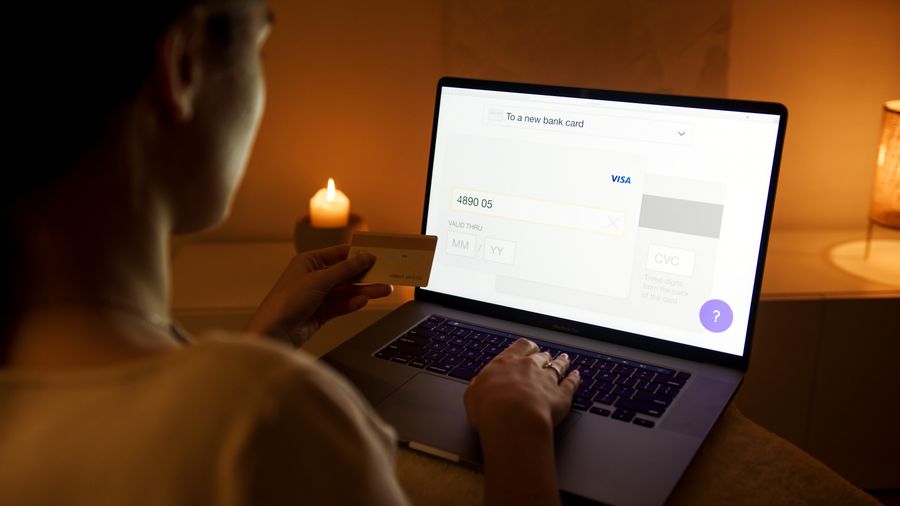
How to respond safely, whether buying or selling
The safe move is simple and the same in almost every case: keep everything inside the marketplace. Insist on the platform’s own checkout and its protected payment methods, and if you are buying, favor a credit card through that checkout, since it adds another layer of dispute rights. Politely decline any request to pay or be paid off-platform, and you can even blame the rules, saying you only use the app’s protected payment for your own safety. If the other person keeps pushing, that persistence is your answer, so walk away, then report and block them so the platform can act. If you are selling, verify that money has genuinely landed and cleared in your account before you ship, never rely on an emailed confirmation, and never refund an overpayment, which is almost always a scam, as the FTC notes in its advice on selling stuff online safely. Staying on-platform costs you a small fee and saves you the whole loss.
Main Takeaways
- A seller or buyer insisting you pay outside the marketplace is one of the clearest scam warning signs.
- On-platform payment is what gives you protection, a record of the deal, and a way to dispute it, and off-platform methods are usually irreversible.
- The save the fees pitch, fake invoices, QR pay links, and checkout is broken excuses are all tactics to get you off-platform.
- Sellers should watch for overpayment refund requests and fake payment-confirmation emails, and verify money actually cleared before shipping.
- Keep the chat and payment in the app, favor a credit card through the platform, and report and block anyone who pressures you.
For more marketplace-safety and money guides, browse the DelightfulBlogs Finance section, or see our guide to scam checks before buying resale concert tickets.
Frequently Asked Questions
Is it always a scam if a seller wants to pay outside the platform?
Not always, but treat it as a serious red flag. Some honest sellers ask to avoid fees without bad intent, yet the request still strips away your protection and is the exact move scammers make. Because you cannot easily tell an honest fee-dodger from a scammer, the safe rule is the same either way: keep the payment on-platform, and decline any off-platform request no matter how reasonable it sounds.
What if they say it is just to avoid the platform fees?
That is the most common pitch, and it is not worth it. The fee you would save is tiny compared with losing the entire payment if the deal goes wrong, and off-platform payments are usually irreversible with no way to dispute them. A trustworthy seller will accept the platform’s checkout. If someone insists on skipping it to save fees, decline, and consider the insistence itself a reason to walk away.
Which payment methods are safest on a marketplace?
Use the marketplace’s own protected checkout, and where possible pay with a credit card through it, since credit cards add legal dispute rights on top of the platform’s protection. Avoid anything that moves money irreversibly, such as a wire, gift cards, cryptocurrency, or a payment app sent as friends and family. If a method cannot be reversed and offers no protection, it is the wrong one for buying from a stranger.
I am selling something. What is the overpayment scam?
A buyer sends, or appears to send, more than your asking price, often with a fake payment-confirmation email, then asks you to refund the difference. You send the refund, and the original payment never truly clears or is reversed, leaving you out the money you refunded. Never refund an overpayment, confirm funds have actually settled in your account rather than in an email, and ship only after payment has genuinely cleared.
What should I do if I already paid outside the platform?
Act fast. Contact your bank or the payment provider right away to report the transaction and ask whether it can be stopped or reversed, since speed matters most in the first hours. Report the seller and the incident to the marketplace so they can act, and report the scam to the authorities. Keep all records of the conversation and payment, which help both any dispute and any investigation.
The Bottom Line
When a marketplace seller, or buyer, insists on paying outside the platform, treat it as the warning sign it is. The whole value of the marketplace is the protection that comes with paying through it, and stepping outside hands that away, usually via a payment you can never get back. It is not always a scam, but you cannot tell from a friendly message, so the safe response never changes: keep the conversation and the money in the app, use its protected checkout, and decline every off-platform request. Do that, and the few dollars in fees you pay are simply the price of not being the next person telling their bank a story that begins, they seemed so trustworthy.