
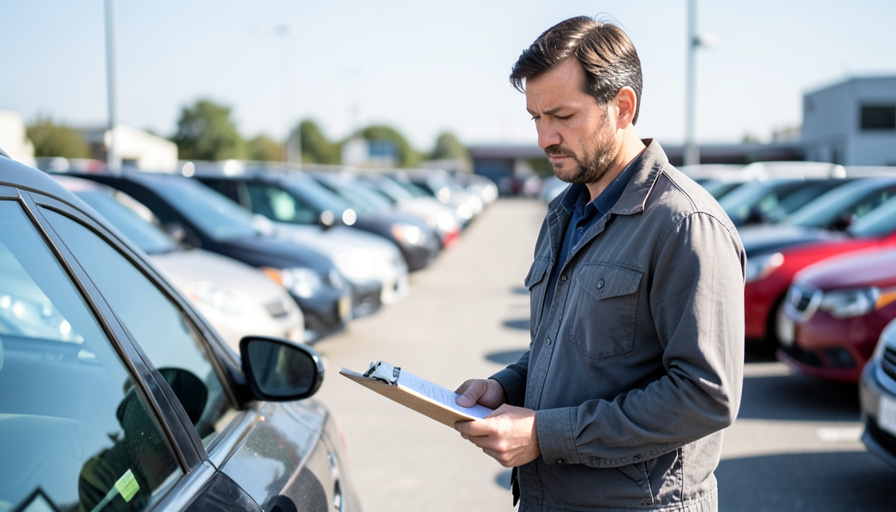
Can a Used Car History Report Be Manipulated or Incomplete?
You pull the history report, it comes back clean, and it feels like a green light. Here is the uncomfortable truth: a clean report is reassuring, but it is not proof. These reports are only as complete as the data that reaches them, and that data has real gaps, delays, and, in some cases, deliberate tampering. A “no accidents reported” line is a statement about a database, not a guarantee about the car. Here is how a used car history report can be incomplete or even manipulated, and what to do so a clean report does not lull you into a bad buy.
None of this means the reports are worthless; they are genuinely useful and catch a lot. But treating one as the final word is exactly the mistake sellers of problem cars count on. Understanding where the gaps come from turns the report into one tool among several rather than a false sense of security, which is the entire point of checking before you buy.
Short Answer
Yes, on both counts. A used car history report is often incomplete, because it only records events that get reported to it, and private cash repairs, delayed accident filings, out-of-network shops, and flood damage without an insurance claim can all slip through or arrive late. Less commonly, reports are actively manipulated through title washing, where a branded title is “cleaned” by moving the car across states, odometer rollback, and even VIN cloning. Different providers also pull from different sources, so one report can miss what another catches. The report is a valuable screening tool, but it is not a substitute for an independent pre-purchase inspection and your own checks.
Why reports are only as good as their data
A vehicle history report is an aggregator. It pulls records from insurers, service shops, state title agencies, auctions, and police reports, and stitches them into a timeline. The strength and the weakness are the same: if an event was never reported to one of those sources, the report never sees it. There is also lag, since it can take weeks or months for an accident or title change to filter into the databases, so a report run today may not reflect last month’s wreck. The federal NMVTIS system has made title and brand data far more consistent across states, which reduces some of the old tricks, but it does not capture every repair or minor incident. So a clean report can be perfectly honest and still be missing something real.
How a report can be incomplete
The most common problem is not fraud; it is simply gaps. An accident repaired privately with cash, without an insurance claim or a police report, may never appear, which is how a genuinely wrecked car can show a clean history. Work done at a small independent shop that does not report to the databases goes unrecorded. Flood damage from a storm-hit region can be cleaned up and resold without a brand if no total-loss claim was filed. Fleet or rental history is sometimes understated. And because Carfax and AutoCheck draw from different source networks, one may list an event the other misses entirely, so a single clean report is a partial picture by design.
How a report can be manipulated
Deliberate manipulation is rarer but real. Title washing is the classic move: a car branded salvage, flood, or lemon in one state is retitled through a state with weaker branding rules until the paperwork reads clean, though NMVTIS has made this harder than it once was. Odometer rollback still happens even on digital dashboards, so a report may show mileage that does not match the car’s true wear, which is worth cross-checking against service records and physical condition. And at the extreme, VIN cloning swaps a stolen car’s identity with that of a legitimate vehicle, so the report you pull actually describes a different, clean car. These are the cases where the report is worse than incomplete; it is actively misleading.
How to protect yourself
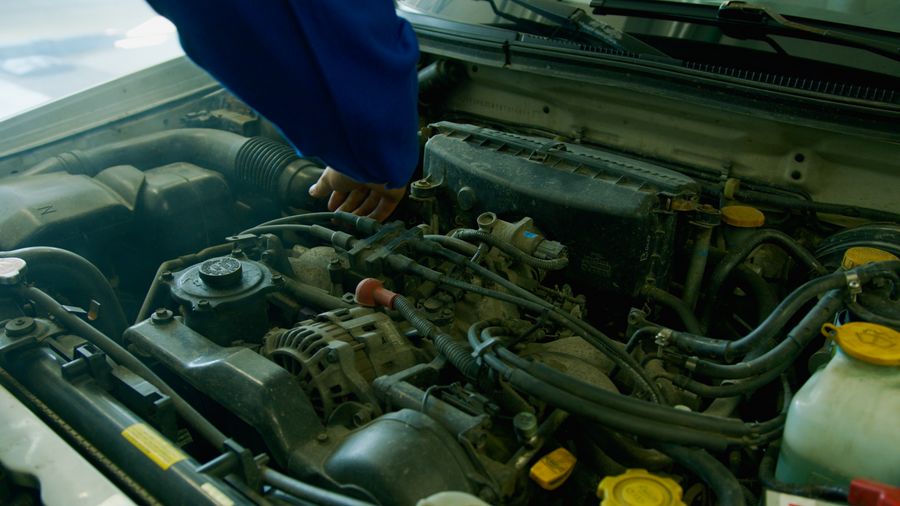
The fix is to stop relying on any single report and layer your checks. Get an independent pre-purchase inspection from a mechanic you chose, not the seller’s, since a trained eye catches repainted panels, frame repairs, and flood residue that no database will show. Pull more than one history report, ideally both Carfax and AutoCheck, because they see different records, and check the title and brand history through an NMVTIS-approved provider. Verify that the VIN matches on the dashboard, the door jamb sticker, and the title, which defends against cloning, and look for physical red flags like mismatched paint, a musty smell, or corrosion in odd places. Finally, be skeptical of a car that is unusually cheap with a spotless report, and read guidance like the FTC’s used car advice before you commit. A clean report plus a good inspection is strong; a clean report alone is not.
Main Takeaways
- A history report only shows events that were reported to it, so private repairs, delayed filings, and out-of-network work can leave real damage invisible.
- Reports can be actively manipulated through title washing across states, odometer rollback, and VIN cloning, though NMVTIS has curbed some of it.
- Carfax and AutoCheck pull from different sources, so a single clean report is a partial picture; pull both.
- Always get an independent pre-purchase inspection, since a mechanic catches repaints, frame work, and flood damage that databases miss.
- Verify the VIN matches on the dash, door, and title, and be wary of a suspiciously cheap car with a spotless report.
For more used-car buying guides, browse the DelightfulBlogs Automotive section, or see our guide to odometer discrepancies on a title.
Frequently Asked Questions
Does a clean history report mean the car has no problems?
No. A clean report means no problems were reported to the databases, which is not the same as no problems. Accidents repaired privately without a claim, work at non-reporting shops, and recent incidents that have not filtered through yet can all be missing. Treat a clean report as encouraging but confirm it with an independent inspection.
What is title washing?
Title washing is moving a vehicle with a branded title, such as salvage or flood, through states with weaker branding rules until the paperwork comes back clean, hiding the car’s damaged past. The federal NMVTIS system has made it harder by sharing brand data across states, but checking the title history through an approved provider is still worth doing.
Can the odometer still be rolled back on a modern car?
Yes. Even digital odometers can be tampered with, and a history report may not always catch it if mileage is not consistently reported. Cross-check the displayed mileage against service records, inspection stickers, and the car’s physical wear, since heavily worn pedals or seats on a “low-mileage” car are a warning sign.
Should I trust Carfax or AutoCheck more?
Neither alone. Carfax and AutoCheck draw from partly different source networks, so each can show records the other misses. Pulling both gives you a more complete picture than relying on one, and pairing them with an NMVTIS title check and a physical inspection is far stronger than trusting any single report.
What is the single best protection when buying used?
An independent pre-purchase inspection by a mechanic you choose. It is the one check that examines the actual car rather than a database, catching repainted panels, frame damage, flood residue, and mechanical issues that no report will list. Combined with pulling reports and verifying the VIN, it closes most of the gaps a history report leaves open.
The Bottom Line
A used car history report is a useful screen, not a certificate of health. It can be incomplete simply because not every event reaches its databases, and in a minority of cases it can be manipulated outright through title washing, rollbacks, or cloning. The way to buy with confidence is to treat the report as one input: pull more than one, verify the VIN and title, and above all get an independent inspection of the actual car. Do that, and a clean report becomes real reassurance rather than a story a seller is hoping you will believe.