
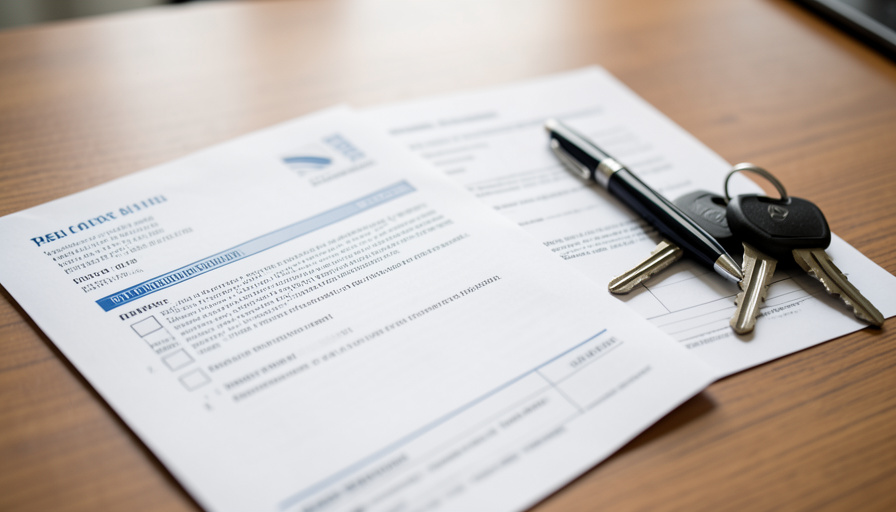
Odometer Box Checked Wrong? Fixing a Title Rejection
The whole transfer got kicked back because one little box in the odometer section was checked wrong. It is a maddeningly small mistake with an outsized consequence, and the instinct to just cross it out and re-check the right one is exactly the thing that will get your title rejected again, or worse. Here is the correction that actually works.
The odometer disclosure is a federally required part of a title transfer, which is why the DMV is so unforgiving about it. A wrong checkbox is not a typo they will wave through; it can misstate the mileage in a legally binding document and, if handled badly, brand the title in a way that follows the car for good. The fix is straightforward once you know the rule that governs all of it: you do not repair an odometer error by editing the title.
Bottom Line First
Do not use whiteout, strike-throughs, or overwriting to fix a wrong odometer box on the title, because any alteration to that section gets the title rejected and can void it. Instead, the correction is made on a separate document, usually a standalone odometer disclosure statement, a statement of facts, or a state correction affidavit that your DMV provides. The party who made the error, typically the seller, completes it with the true mileage and the correct box, and you submit it alongside the title and any supporting records that show the real mileage history. The exact form varies by state, so the first step is asking your DMV which one applies.
What the odometer boxes actually mean
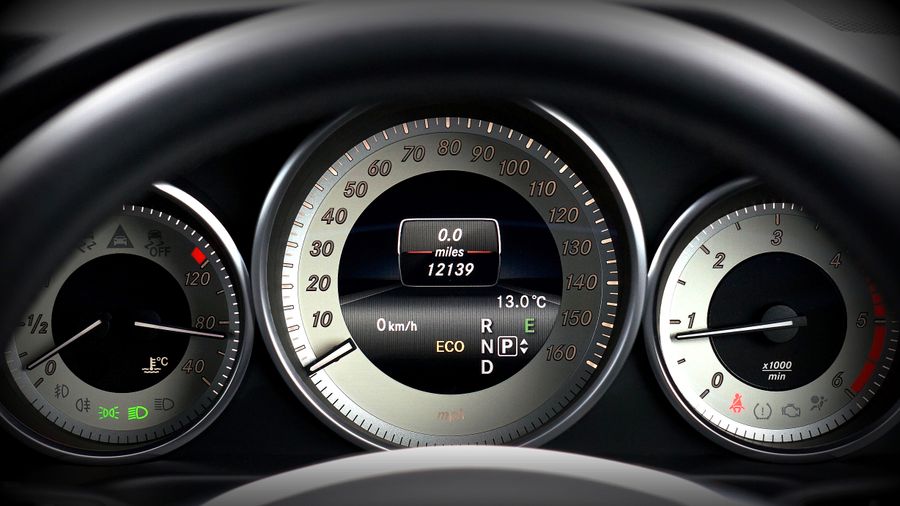
The confusion usually starts with not knowing what you were choosing between. A title’s odometer disclosure has three options, and only one is normal. The first is that the reading is the actual mileage, which is what you check for the vast majority of cars. The second is that the reading is not the actual mileage, often printed as a warning about an odometer discrepancy, used when the mileage is known to be wrong. The third is that the mileage exceeds the odometer’s mechanical limits, meaning a rolled-over odometer that has passed its maximum, such as a five-digit odometer that went past 99,999. Checking “not actual” or “exceeds mechanical limits” on a car that simply has honest, normal mileage is the classic error, and it wrongly stains the title.
The one thing not to do
Whatever you are tempted to do, do not touch the box on the title. States treat any correction, erasure, or alteration in the odometer section as a red flag for fraud, so a strike-through or a bit of whiteout does not fix the rejection; it guarantees another one and can render the title invalid. This is the single most common way people turn a small paperwork problem into a big one. The title stays as it is, and the fix happens somewhere else entirely.
How to actually correct it
The real fix is a separate document, and the process runs like this:
- Ask your DMV which form to use. Depending on the state it may be a standalone odometer disclosure statement, a statement of facts, or a specific odometer correction affidavit. Getting the right form first saves a second rejection.
- Have the person who made the error complete it. Because odometer disclosure is the seller’s legal statement, the seller usually has to sign the correction, entering the true mileage and checking the correct box this time.
- Attach proof of the real mileage. Gather prior titles, past registration paperwork, and service or inspection records that show the accurate mileage history, which supports the corrected reading.
- Submit the correction with the title. Send or bring the corrected statement together with the original title and any required fee, and the DMV processes the transfer against the corrected document rather than the miscarked box.
If the title was branded or the seller is gone
Two complications need a slightly different path. If the wrong box already caused the title to be issued or branded with an odometer discrepancy, ask your DMV about an application for a corrected title, which replaces the branded record once the error is documented. And if the seller who made the mistake is unreachable, the DMV can advise on an affidavit or alternative process, since you generally cannot sign the seller’s disclosure for them. In both cases the DMV has a defined route; the mistake to avoid is trying to shortcut it by altering paperwork yourself.
Keep it truthful
One serious note underpins all of this. Odometer disclosure is governed by federal law, and knowingly providing a false mileage statement can carry fines and even imprisonment. That is exactly why the correction has to be made honestly, by the right person, with supporting records, rather than quietly fixed on the title. Correcting a genuine clerical mistake is routine and expected; the rules exist to stop the version where someone “corrects” a number to hide the truth. Stay on the honest side of that line and the process is simply administrative.
Key Takeaways
- A wrong odometer checkbox gets a title rejected, and altering the box on the title makes it worse or voids it.
- The three options are actual mileage, not actual mileage, and exceeds mechanical limits; only “actual” fits a normal car.
- Fix it on a separate document, an odometer disclosure statement, statement of facts, or correction affidavit from your DMV.
- The person who made the error, usually the seller, signs the correction with the true reading, plus records that prove the mileage.
- If the title was branded or the seller is gone, ask the DMV about a corrected-title application or an affidavit process.
For more car-ownership guides, browse the DelightfulBlogs Automotive section, or follow our News desk.
Frequently Asked Questions
Can I just cross out the wrong odometer box and check the right one?
No. States treat any alteration in the odometer section as a fraud flag, so crossing out or whiting out the box gets the title rejected again and can void it. The correction has to be made on a separate document, not on the title itself.
What form do I use to correct an odometer disclosure mistake?
It depends on your state, but it is typically a standalone odometer disclosure statement, a statement of facts, or a dedicated odometer correction affidavit provided by the DMV. Ask your DMV which specific form applies before filling anything out.
Who has to sign the odometer correction?
Usually the seller, because the odometer disclosure is legally the seller’s statement about the mileage. The seller completes the correction with the true reading and the correct box. If the seller made the mistake, they generally must be the one to fix it.
What if the wrong box already branded my title?
Ask your DMV about applying for a corrected title. Once the error is documented with the proper correction form and supporting records, the DMV can replace the incorrectly branded record. Do not try to alter the existing title to remove the brand.
Is a wrong odometer box a legal problem?
An honest clerical mistake is routine to correct. However, odometer disclosure is federal law, and knowingly stating false mileage can bring fines or imprisonment, so the correction must be truthful, made by the right person, and backed by records of the real mileage.
What To Do Next
Leave the title exactly as it is and pick up the phone to your DMV first, because the one detail that decides everything is which correction form your state wants. Get that form, have whoever checked the wrong box complete it truthfully with the real mileage, gather a couple of documents that prove that mileage, and submit the package. It feels like the rejection put you back to zero, but you are really one honest form away from done, as long as you resist the urge to fix it on the title.