
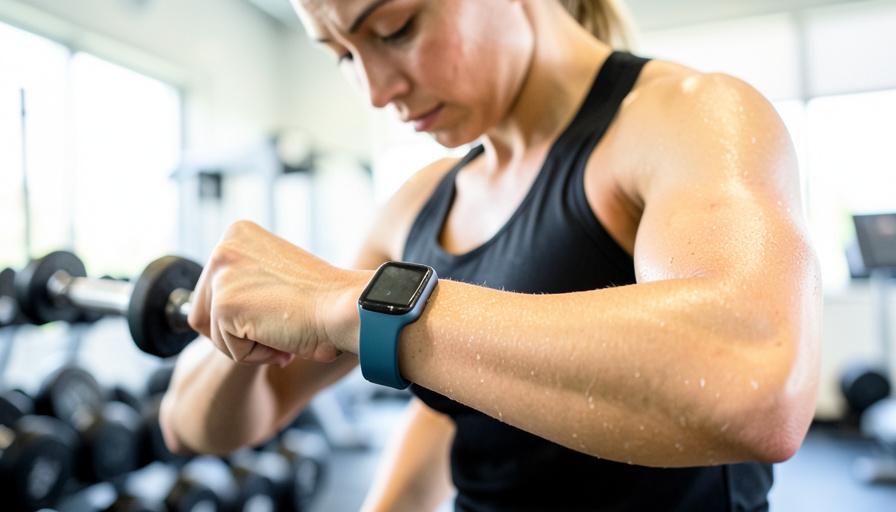
12 Reasons Your Watch Heart Rate Drops Out Mid-Workout
You are mid-set or mid-mile, you glance at your watch, and instead of a pulse it shows a flat line or a number that has clearly frozen. It is unsettling, but here is the reassuring part: a heart-rate dropout is almost always a sensor problem, not a heart problem. Wrist optical sensors are finicky, and exercise is the exact situation that trips them up. These are the twelve usual reasons, brand by brand it barely matters, and the quick fix for each.
Nearly every wristband and smartwatch reads your pulse the same way: it shines light into your skin and measures how the reflection changes as blood pulses through. That method is easily disrupted by movement, a poor fit, cold skin, or anything between the sensor and your wrist. Once you know what breaks the signal, most dropouts take seconds to fix, and you will know when the honest answer is to stop trusting your wrist for that workout.
Quick Answer
Workout heart-rate dropouts almost always come from the optical sensor losing a clean look at your skin. The most common causes are a band worn too loosely, vigorous motion and wrist flexion during lifts, cold skin reducing blood flow, and sweat or dirt breaking contact. Tattoos under the sensor, the watch worn in the wrong spot, a dirty sensor, battery-saver mode cutting the sampling rate, not starting a workout so continuous tracking never turns on, and a software glitch round out the list. And some workouts, grip-heavy ones like lifting, rowing, and cycling, defeat wrist sensors no matter what, which is when a chest strap wins. Tighten the band, warm and clean your wrist, and start the workout properly, and most dropouts disappear.
Why wrist heart rate drops out in the first place
Wrist heart-rate sensors use light, green LEDs shining into the skin, and a detector reading the reflection as blood pulses beneath. It works well at rest and struggles during exercise, because the reading depends on a snug, clean, warm contact between the sensor and your skin, and a workout attacks all three. Motion shifts the sensor, sweat creates a gap, cold narrows the blood vessels it is trying to read, and a loose band lets daylight and movement flood the signal. That is why the same watch that nails your resting pulse can flat-line during a heavy set. The fixes below all come back to restoring that clean contact.
This article is general information, not medical advice. Fitness trackers are wellness tools, not medical devices, and a dropout is almost always a sensor issue rather than a heart issue. But do not ignore real symptoms: if you feel chest pain, dizziness, fainting, or a genuinely irregular heartbeat during exercise, stop and seek medical care rather than assuming it is the watch.
The 12 causes and the fix for each
- The band is too loose. This is the number one cause. During exercise the watch needs to sit snugly so the sensor stays pressed to your skin. Tighten it until it is secure but comfortable, and for workouts wear it a finger’s width above the wrist bone.
- You are gripping or flexing your wrist. Lifting, planks, and pushups bend the wrist and tense the tendons right under the sensor, which shoves it off your skin. There is no perfect fix beyond a snugger band, and for grip-heavy training a chest strap is far more reliable.
- Your skin is cold. In cold air, blood flow to the wrist drops, and the sensor may not find enough signal to read, exactly as manufacturers note. Warm up first, cover your wrist with a sleeve, and give it a few minutes before expecting a stable reading.
- Sweat has broken the contact. A film of sweat can lift the sensor off your skin and scatter the light. Wipe your wrist and the back of the watch mid-workout, and make sure the band has not loosened as your skin gets slick.
- There is a tattoo under the sensor. Ink absorbs and scatters the sensor’s light, and dense or dark tattoos can block readings entirely. Move the watch to an untattooed spot, switch wrists, or use a chest strap or upper-arm band instead.
- The watch is in the wrong position. Worn too low, over the wrist bone, or on the underside, the sensor cannot sit flat. Keep it on top of the wrist, above the bone, so the sensor has a flat area of skin to read.
- The sensor or your skin is dirty. Lotion, sunscreen, dried sweat, or grime on the sensor glass degrades the reading. Clean the back of the watch and your wrist so nothing sits between the light and your skin.
- Dry or hard-to-read skin. Perfusion and skin vary from person to person, and optical sensors read some wrists less reliably than others. A snug fit helps most, and if your wrist is consistently hard to read, an external strap is the dependable answer.
- Battery-saver mode is throttling the sensor. Low-power and battery-saver modes often cut how often the watch samples your heart rate, producing gaps and frozen numbers. Turn off power saving during workouts, or enable continuous or high-frequency heart rate for the session.
- You never started a workout. Many watches only track heart rate continuously once you start a workout; outside of one they sample occasionally, which looks like dropouts. Start the activity in the app so the sensor switches to continuous mode.
- The session or firmware glitched. Sometimes it is just a bug. Restart the watch, make sure its software is up to date, and end and restart the workout, which clears a stuck sensor session more often than you would expect.
- The band or watch is worn over a sleeve or hair. A long-sleeve layer or dense arm hair between the sensor and your skin blocks the light. Wear the watch directly against the skin, and if hair is the issue, positioning it slightly differently usually helps.
- The workout simply defeats wrist sensors. Rowing, cycling with bent wrists, and heavy lifting are known weak spots for optical wrist sensors. If dropouts persist through every fix during these, it is the method, not your watch, and a chest strap is the real solution.
When to stop fighting the wrist sensor
There is a point where more troubleshooting is not worth it. If you mainly lift, row, cycle, or train in the cold, the wrist is fighting physics, and no amount of tightening will make optical readings reliable during those sessions. That is not a defect; it is the known limit of the technology. A chest strap reads the heart’s electrical signal directly and is far more accurate for intervals and grip-heavy work, and an upper-arm optical band is a good middle ground that avoids wrist flexion. Keep the watch for everyday tracking and resting metrics, where it shines, and pair it with a strap for the workouts that need dependable numbers. Knowing when to switch tools beats chasing a flat line rep after rep.
Main Takeaways
- A heart-rate dropout is almost always a sensor contact problem, not a heart problem.
- The top fixes are a snugger band, warm and clean skin, and wearing the watch on top of the wrist above the bone.
- Cold skin, sweat, tattoos, dirt, and battery-saver mode are common, quick-to-fix culprits.
- Start an actual workout so the watch tracks heart rate continuously rather than sampling occasionally.
- For lifting, rowing, and cycling, a chest strap is far more reliable than any wrist sensor, so switch tools rather than fight it.
For more wearables and training tips, browse the DelightfulBlogs Health & Fitness section, or follow our Tech desk.
Frequently Asked Questions
Why does my watch show a flat line instead of my heart rate?
A flat line means the optical sensor lost a clean signal from your skin. The usual reasons are a loose band, vigorous motion, cold skin, sweat, or a tattoo under the sensor. Tighten the band, warm and wipe your wrist, and wear the watch snugly on top of the wrist above the bone, and the reading usually returns.
Is a heart-rate dropout a sign something is wrong with my heart?
Almost never. A dropout is a sensor contact issue, not a measurement of your actual heart. That said, do not ignore genuine symptoms: if you feel chest pain, dizziness, fainting, or a truly irregular heartbeat during exercise, stop and seek medical care rather than blaming or trusting the watch.
Do tattoos really affect heart-rate readings?
Yes. Tattoo ink absorbs and scatters the light the sensor relies on, and dense or dark designs can block readings entirely. If you have a wrist tattoo under the sensor, move the watch to clear skin, switch wrists, or use a chest strap or upper-arm band, which do not depend on that spot.
How do I get accurate heart rate when lifting weights?
Wrist sensors struggle with lifting because gripping and flexing the wrist push the sensor off your skin. Tighten the band and wear it a little higher up your forearm, but for reliable numbers use a chest strap, which reads your heart’s electrical signal directly and is not disrupted by wrist movement.
Does battery-saver mode affect heart-rate tracking?
It can. Low-power and battery-saver modes often reduce how frequently the watch samples your heart rate, which shows up as gaps or frozen readings during a workout. Turn off power saving for the session, or enable continuous or high-frequency heart rate, so the sensor keeps reading throughout.
The Bottom Line
A flat line mid-workout looks alarming and almost always is not, because your wrist sensor is reporting on a patch of skin, not on your heart. The fix is nearly always about contact: a snugger band, a warm and clean wrist, the watch in the right spot, and an actual workout started so it tracks continuously. Work down the list and most dropouts vanish. And when they do not, on the lifts and rows where the wrist simply cannot keep up, do not take it as a fault. Reach for a chest strap for those sessions, and let the watch do what it does best the rest of the time.