
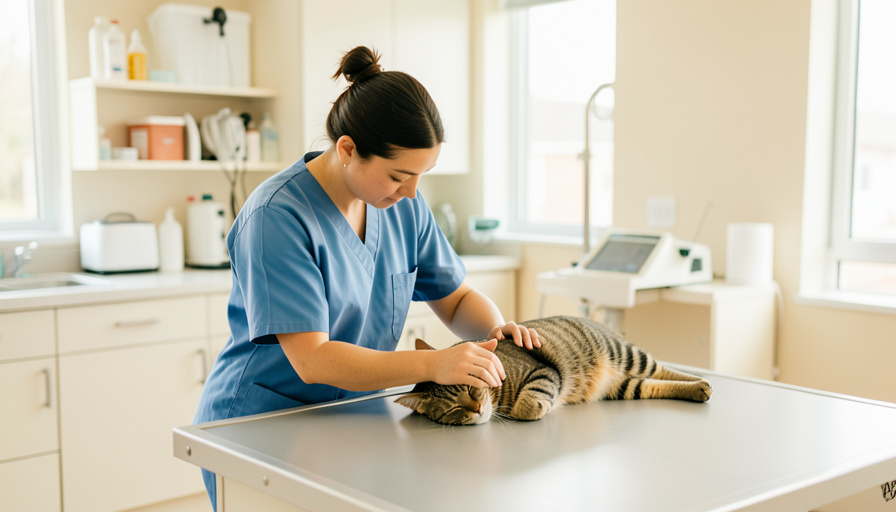
Linny the Cat and Why Every Pet Needs an Emergency Plan
Linny came home covered in blood, shot with an air rifle, and was facing emergency surgery within a day. His case pulled a lot of sympathy, and underneath it is a practical question every pet owner should sit with: would you be ready if it were your animal tonight?
The stories that go around about hurt pets tend to focus on the cruelty and the recovery. The part that gets less attention is how fast an owner has to move, and how much easier it is when there is a plan already in place. Linny’s case is a useful, if painful, prompt to build that plan now, while nothing is wrong, rather than trying to assemble it in the worst hour of your pet’s life.
Quick Answer
Linny, a cat in the UK, came home on September 7, 2026 after being shot with an air rifle and needed urgent imaging and surgery, with a fundraiser set up to cover the veterinary bills that quickly passed its goal. Whatever the specific outcome, the takeaway for the rest of us is preparation: know your nearest 24-hour emergency vet before you need it, keep a pet first-aid kit and key phone numbers on hand, and have a way to cover a sudden four-figure bill, through savings or pet insurance. First aid buys time; it does not replace a vet. The goal of a plan is to shave minutes and panic off the moment it counts.
What happened to Linny
According to the family’s fundraiser, Linny came home on September 7 after being hit at close range with an air rifle and was rushed for veterinary assessment, including imaging, ahead of surgery the next day. The family was warned the operation carried real risk, and that a pellet left in the body could cause lead poisoning. The community response was fast: donations sailed past the fundraising target within days. That combination, a sudden violent injury, an urgent surgical decision, and a scramble to fund it, is exactly the sequence a good emergency plan is built to handle. Most pet emergencies are accidents or illness rather than cruelty, but they unfold the same way: quickly, and expensively.
Know your emergency vet before you need one
The single most useful thing you can do costs nothing. Find out, today, where your nearest 24-hour or after-hours emergency veterinary hospital is, and save the number in your phone. Regular clinics keep regular hours, and injuries have a way of happening at night and on weekends. The AVMA’s advice for owners is to keep, in an easy-to-reach place, the phone numbers for your own vet, a 24-hour emergency hospital, and the animal poison control hotline. Two minutes spent finding these now removes a frantic search later, when your animal is hurt and you are not thinking clearly.
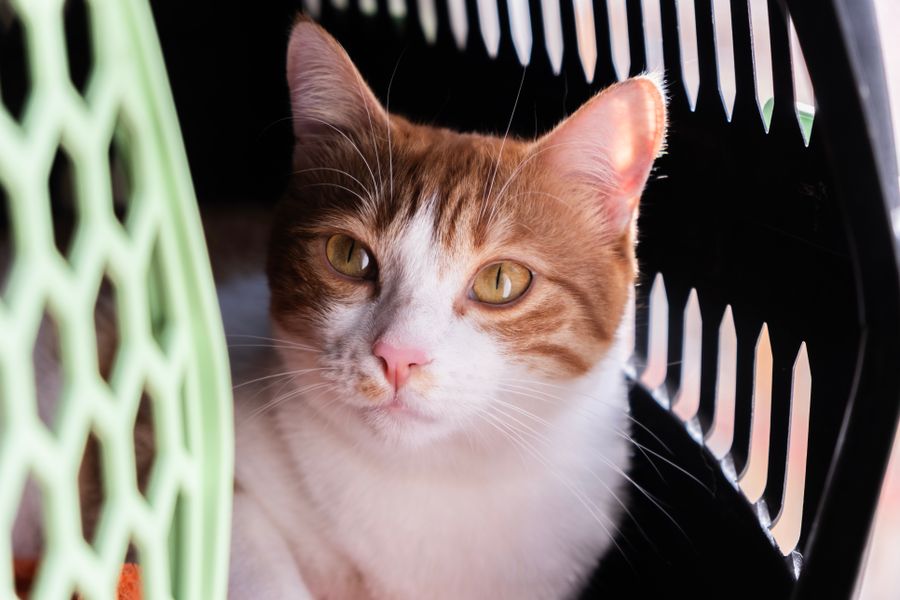
Build a simple pet first-aid kit
A basic kit lets you stabilize a pet on the way to care. The AVMA’s first-aid guidance for owners is worth reading in full, but a practical starter kit includes gauze and non-stick bandages, adhesive tape, a clean towel, a digital thermometer, tweezers, saline for flushing, disposable gloves, and a sturdy carrier. Add a copy of your pet’s medical records and those emergency numbers. Keep a smaller version in the car. The point is not to play vet at home; it is to control bleeding, keep your pet warm and contained, and safely transport them so a professional can take over.
A note before you use any of this: first aid is a bridge, not a treatment. The AVMA is explicit that first-aid care is not a substitute for veterinary care, though it may keep a pet alive until you reach a clinic. Nothing here is veterinary advice for your specific animal. If your pet is injured or ill, contact your veterinarian or an emergency clinic right away, and do not give human medications unless a vet directs you to.
Plan for the bill, not the injury alone
The part people are least ready for is financial. Emergency surgery, imaging, and overnight care routinely run into four figures, which is why Linny’s family, like so many others, turned to a fundraiser. You have better options if you set them up in advance. A dedicated pet emergency fund, even a small automatic monthly transfer into a separate savings pot, builds a cushion over time. Pet insurance is the other route, and the key is to enroll while your pet is young and healthy, before conditions become pre-existing and excluded. Whichever you choose, the decision you never want to make is a medical one driven purely by what you can find in your account that night.
When to treat it as an emergency
Knowing what counts as urgent helps you act without second-guessing. Get to a vet immediately for serious bleeding that will not stop, difficulty breathing, a suspected broken bone, a wound from a bite, an arrow, or a projectile, repeated vomiting, seizures, collapse, signs of severe pain, or any known poisoning. When in doubt, call the emergency line and describe what you are seeing; they will tell you whether to come in. With injuries like Linny’s, where there may be an embedded object, the safe move is to keep the animal calm and contained and get professional help fast, rather than trying to remove anything yourself.
What Matters Most
- Linny the cat needed urgent imaging and surgery within a day of being shot with an air rifle, and a fundraiser quickly covered the bills.
- Find your nearest 24-hour emergency vet now and save the number, along with your vet and the poison control hotline.
- Keep a simple pet first-aid kit at home and a smaller one in the car, with medical records and emergency contacts.
- First aid stabilizes a pet on the way to care; it is not a replacement for a veterinarian.
- Prepare financially with an emergency fund or pet insurance, ideally set up before your pet is ever hurt.
For more pet and health coverage, browse the DelightfulBlogs Health & Fitness section, or follow our News desk.
Frequently Asked Questions
What should be in a pet first-aid kit?
Gauze and non-stick bandages, adhesive tape, a clean towel, a digital thermometer, tweezers, saline solution, disposable gloves, and a sturdy carrier, plus a copy of your pet’s medical records and emergency phone numbers. The AVMA publishes a full first-aid guide worth following.
How much does emergency pet surgery cost?
It varies widely by injury and location, but emergency surgery, imaging, and overnight care commonly reach four figures. That is why many owners rely on fundraisers, and why setting up an emergency fund or pet insurance in advance matters so much.
Is pet insurance worth it?
For many owners it is, especially if enrolled while a pet is young and healthy. The main catch is that pre-existing conditions are typically excluded, so the value is highest when you sign up before problems arise rather than after.
What should I do first if my pet is seriously injured?
Stay calm, keep your pet warm and contained, control bleeding with gentle pressure if you can, and call your emergency vet or the poison control hotline while you head in. Do not attempt to remove an embedded object or give human medication unless a vet instructs you to.
When is a pet situation a true emergency?
Treat uncontrolled bleeding, trouble breathing, suspected fractures, bite or projectile wounds, seizures, collapse, repeated vomiting, severe pain, or any poisoning as immediate emergencies. If you are unsure, call the emergency line and describe the symptoms rather than waiting to see if they pass.
Practical Takeaway
Linny’s story is upsetting, and the useful response to it is a checklist rather than only sympathy. Spend twenty minutes this week: save your emergency vet’s number, assemble a small first-aid kit, and decide how you would cover a sudden bill. None of it is expensive, and none of it feels urgent until the one night it is the only thing that matters. The owners who get through a pet emergency with the fewest regrets are almost always the ones who did the boring preparation long before anything went wrong.