
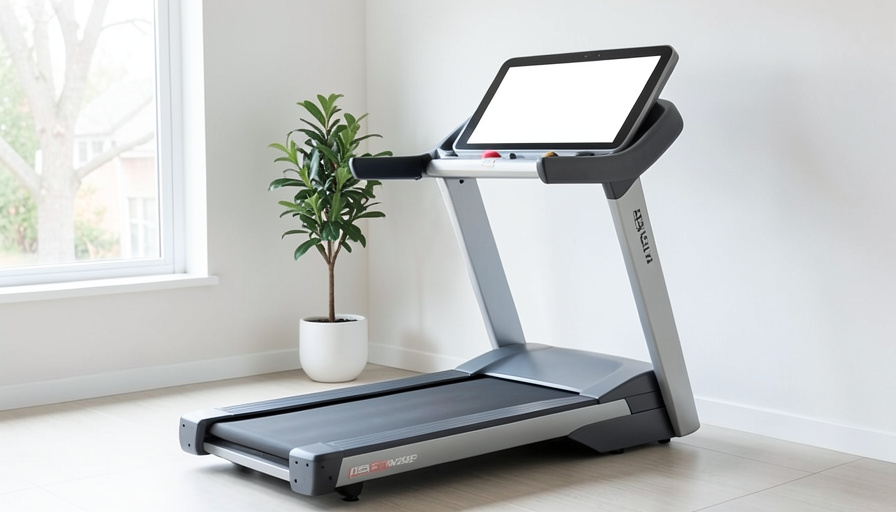
14 Questions to Ask Before Buying a Subscription Treadmill
Connected treadmills look incredible in the showroom: a big touchscreen, a coach leading you up a virtual mountain, your metrics dancing across the display. What the demo does not mention is that a lot of that magic runs on a monthly membership, and some machines do surprisingly little without it. Before you commit to both a large piece of hardware and an open-ended subscription, it is worth asking exactly what you are buying. Here are fourteen questions that reveal the real deal behind the screen.
The heart of it is simple: figure out what the treadmill can and cannot do without paying, and what the whole arrangement costs over the years you will own it. A machine that becomes a glorified clothes rack the moment you cancel is a very different purchase from one that runs perfectly fine on its own. Run through these before you sign anything, and do not let the classes distract you from whether the treadmill itself is any good.
The Short Version
Before buying a subscription treadmill, the questions that matter most are what actually needs the membership versus what works without it, whether the treadmill stays fully usable if you cancel, and the total cost of hardware plus subscription over three to five years. Beyond those, check whether the plan is per household or per person, whether a membership is mandatory at purchase, whether you can control speed and incline manually, and whether it needs constant internet. Then weigh the risk if the company folds, whether the warranty requires a subscription, whether third-party apps work, and, importantly, whether the treadmill itself is well built. Finally, read the trial length, cancellation process, and resale terms. Know all of that and the screen stops being a mystery box.
Why the subscription changes the whole purchase
A connected treadmill is really two products sold together: a machine and a content service, and brands increasingly move features behind the paid plan, from guided classes and scenic runs to automatic incline and even some metrics. That changes the math in two ways. It raises the true cost, because the sticker price is only the start and the membership continues for as long as you use it, and it changes what you own, because some treadmills lean so heavily on the app that they lose much of their function without it while others keep a solid manual mode. The showroom demo always runs on a full subscription, so the questions below exist to reveal what the experience is like when you are not paying, and whether the underlying machine justifies the price on its own.
This article is general information, not medical or financial advice. Talk to a healthcare professional before starting a new exercise program, and confirm current features, subscription terms, and prices directly with the manufacturer, since connected-fitness plans and what they include change over time.
The 14 questions
- What actually needs the subscription, and what works without it? This is the central question. Find out precisely which features, classes, auto-incline, scenic runs, certain metrics, require the plan, and which basics work for free, so you know what you are really paying the monthly fee for.
- Is the treadmill still fully usable if I cancel? Confirm what survives cancellation. Some brands keep a free manual mode; Peloton, for example, offers a “Just Run” mode without a membership, while machines built around a service like iFit lock away more, including guided auto-incline, when you stop paying.
- What does the subscription cost, monthly and yearly? Get the exact price and add it to the hardware cost. A membership is an ongoing bill, so treat it as part of the purchase rather than an afterthought.
- Is it one plan per household or per person? Check whether family members share a single membership with separate profiles or whether each person needs their own plan, which can multiply the cost in a busy household.
- Is a membership mandatory at purchase, or optional? Some brands bundle a required initial subscription term with the treadmill, so confirm whether you are committing to months of fees on top of the machine or can choose to skip the plan.
- What is the true cost over three to five years? Add the hardware to the subscription across the time you expect to own it, then compare that total to a good subscription-free treadmill. The gap is often larger than buyers expect.
- Can I control speed and incline manually without the app? Some smart treadmills automate incline through the class and offer only limited manual buttons, so verify you can run your own workout, at your own pace and grade, without a guided session.
- Does it need constant internet, or is there an offline mode? Ask what happens if your WiFi drops or the company’s servers have an outage. A treadmill that will not start a basic run without a connection is a fragile one to depend on.
- What happens if the company folds or kills the app? Connected-fitness brands have shut down before, and a treadmill tied to a discontinued app can lose features permanently. Weigh how much of the machine’s value depends on a company staying in business.
- Does the warranty or support require an active subscription? Read whether coverage or customer support is tied to membership, since a lapsed plan should not quietly void the protection on an expensive machine.
- Can I use third-party apps instead? Check whether the treadmill supports apps like Zwift, Apple Fitness+, or Kinomap over Bluetooth, or whether it is locked to the brand’s own ecosystem. Third-party support is a useful escape hatch from a single subscription.
- Is the treadmill itself actually good? Look past the content at the hardware: motor power, belt and deck size, cushioning, maximum speed and incline, and weight capacity. A great class library cannot fix a cramped deck or an underpowered motor.
- How long is the free trial, and how easy is it to cancel? Note the trial period and read how you cancel, watching for the sort of hard-to-quit flows the FTC warns about with auto-renewing subscriptions, so a free trial does not become a bill you struggle to stop.
- Can I resell it, and does the account transfer? Ask about resale value and whether the subscription or account moves to a new owner, since a machine that is hard to sell or tied to your account is worth less down the line.
- Is the financing bundling hardware and subscription? If you finance, check whether the monthly payment folds in the membership, which can blur how much you are paying for the machine versus the service and how long you are committed.

Main Takeaways
- The key question is what the treadmill can do without the subscription, since some stay fully usable and others lose much of their function.
- Count the total cost of hardware plus membership over several years, and compare it to a good subscription-free treadmill.
- Confirm you can run manually, that it works offline, and that the warranty is not tied to an active plan.
- Weigh the risk of the company folding, and check whether third-party apps work as an alternative to the brand’s service.
- Judge the machine itself, motor, deck, cushioning, and read the trial and cancellation terms before you commit.
For more fitness and wellness guides, browse the DelightfulBlogs Health & Fitness section, or see our questions to ask before switching fitness tracker ecosystems.
Frequently Asked Questions
Does a connected treadmill work without the subscription?
It depends on the brand. Some keep a free manual mode that lets you run and see basic stats without paying, while others lock away classes, auto-incline, and even some metrics behind the membership, leaving a much more limited machine. Always confirm exactly what works without a subscription before buying, since this varies widely between models.
What is the real cost of a subscription treadmill?
The hardware price plus the membership for as long as you use it. Over three to five years, the subscription can add up to a significant amount on top of the machine, so calculate the full total and compare it to a quality treadmill that needs no subscription. The ongoing fee is often the larger long-term cost.
What happens to my treadmill if the company goes out of business?
If the machine relies on the company’s app and servers, it can lose connected features permanently if that company shuts down or discontinues the service. How much this matters depends on whether the treadmill still runs well on its own, which is exactly why asking what works without the subscription is so important before you buy.
Can I use other fitness apps with a subscription treadmill?
Sometimes. Certain treadmills support third-party apps like Zwift, Apple Fitness+, or Kinomap over Bluetooth, which gives you an alternative to the brand’s own subscription. Others are locked to their ecosystem. If avoiding a single mandatory service matters to you, confirm third-party app compatibility before choosing a model.
Is a subscription treadmill worth it?
It can be, if you will genuinely use the classes and the machine is well built, since the guided content keeps many people motivated. It is a poor deal if you mainly want to run on your own, or if the treadmill is weak hardware propped up by a slick app. Match the purchase to how you will actually train.
The Bottom Line
A connected treadmill can be a brilliant way to stay motivated, but it is two commitments in one, a machine and a membership, and the second is easy to underestimate. The questions here come down to a few essentials: know what works without the subscription, add up the true multi-year cost, make sure the treadmill itself is solid, and read the trial and cancellation fine print. Answer those before you buy, and you get the workout you wanted at a price you understood, rather than a monthly bill attached to a machine that does less than you thought.