
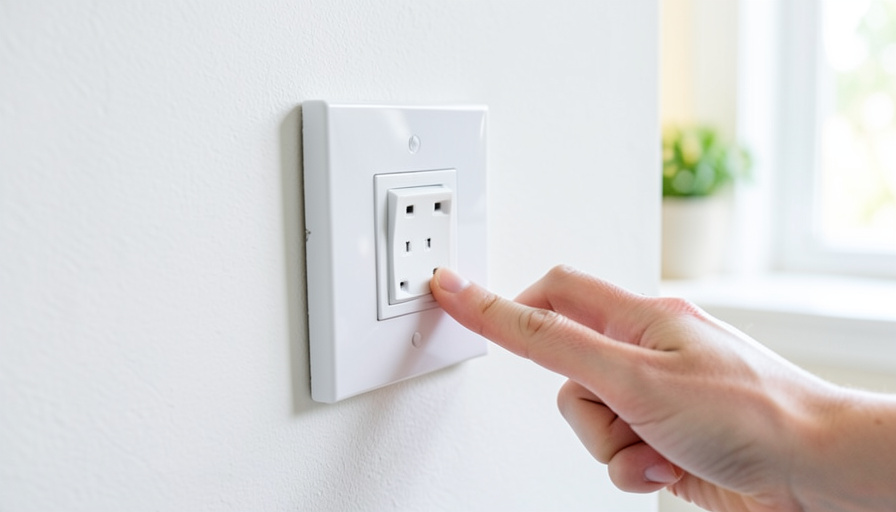
8 GFCI Outlet Symptoms That Signal a Wiring Problem
A GFCI outlet that keeps tripping is annoying, but it is also trying to tell you something. Sometimes it is simply doing its job, catching a faulty appliance or a bit of moisture. Other times the behavior points to a wiring problem behind the wall, which is a different and more serious matter. Knowing which is which saves you from either living with a nuisance or, worse, ignoring a hazard. Here are eight symptoms that lean toward a wiring issue, with a safe checklist of what you can try first and clear signs it is time to stop and call a professional.
A quick primer: a GFCI, or ground-fault circuit interrupter, cuts power in a fraction of a second when it senses electricity leaking to ground, the kind of fault that can shock or electrocute you. That sensitivity is a feature, so a trip is not automatically a defect. The goal below is to sort a normal, protective trip from a symptom of faulty wiring, and to do it without putting yourself in danger.
Quick Answer
Symptoms that point to a wiring problem rather than a simple appliance fault include a GFCI that trips instantly on reset with nothing plugged in, one that will not reset or has no power, downstream outlets going dead, and trips that happen only in wet weather. Add a test button that does nothing, trips tied to one circuit or area, and, most seriously, an outlet that is warm, discolored, buzzing, or smells like burning. You can safely unplug everything and reset, dry any moisture, run the test-and-reset check, and isolate a suspect appliance. But heat, burning smells, sparks, repeated trips with nothing plugged in, or anything requiring you to open a panel mean stop and call a licensed electrician.
Before you touch anything: safety first
There is a safe zone of DIY troubleshooting and a hard line you should not cross. Safely, you can unplug every device on the outlet and try a reset, check for and dry any visible moisture, press the outlet’s own test and then reset buttons to see whether the device responds, and move a suspect appliance to a different outlet to see if the problem follows it. Manufacturers like Leviton explain the normal reset and test behavior, which helps you tell a healthy GFCI from a failing one. What you should not do without training is open the outlet box, handle the wiring, or work in the electrical panel, and you should never do any of that without cutting power at the breaker first. If a symptom below involves heat, burning, sparks, or the wiring itself, that is your signal to stop.
Safety notice: Electricity can cause serious shock, injury, fire, or death. This article is general information, not professional electrical advice. Do not attempt repairs you are not qualified to make, always turn off power at the breaker before touching any wiring, and when in doubt, hire a licensed electrician. Some of the symptoms below require stopping immediately and calling a professional.
The 8 symptoms and what they mean
- It trips instantly when you reset it, with nothing plugged in. If the GFCI will not hold a reset even with every device unplugged, the fault is not an appliance; it is in the wiring or the GFCI itself. This points to a real ground fault in the circuit or a failed device that needs replacing.
- It will not reset and has no power. Often no power is reaching the outlet because an upstream breaker or another GFCI has tripped, or the line and load wires are reversed on its terminals. A reversed, miswired GFCI is a common installation error that makes the outlet behave unpredictably.
- Downstream outlets are dead while the GFCI works. A single GFCI protects the outlets wired to its load side, so a tripped or miswired one can kill power to several outlets downstream. If a reset does not bring those back, suspect a problem in the load-side wiring rather than each individual outlet.
- It only trips in wet or humid weather. Moisture getting into an outdoor or bathroom box or conduit creates a genuine ground fault, which is exactly what the GFCI is built to catch. This is not a nuisance to ignore; water in electrical boxes is dangerous and points to a weatherproofing or wiring problem.
- The test button does nothing, or reset will not hold after testing. A GFCI should trip when you press test and restore when you press reset. If the test button does nothing or it will not stay reset, the device has failed its own safety check and is no longer protecting you, so it should be replaced promptly.
- It trips on one specific circuit or area. This can be a failing appliance or a wiring fault on that branch, such as a damaged cable or a shared neutral. Isolate it by unplugging everything on that circuit; if it still trips with nothing connected, the wiring is the likely culprit and needs a professional.
- The outlet is warm, discolored, buzzing, or smells like burning. This is the alarm, not a puzzle to solve. Heat, scorch marks, a buzzing sound, or a burning smell indicate loose or overheating connections, which are a fire hazard. Stop using the outlet, and call an electrician right away.
- It nuisance-trips across the whole circuit or many outlets. Random trips affecting multiple outlets often mean a shared neutral across circuits, a ground fault somewhere downstream, or too many protected devices chained together. That is a wiring or design issue best diagnosed by a professional rather than repeated resets.
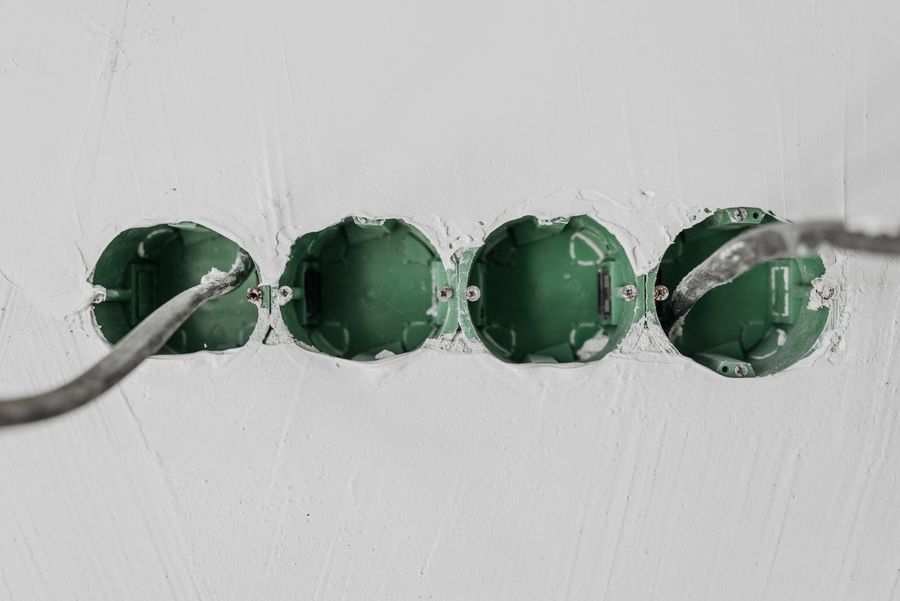
When to stop and call an electrician
Some of these you can sort yourself; others are a clear signal to put the screwdriver down. Call a licensed electrician right away if you notice any heat, discoloration, buzzing, sparks, or a burning smell, since those point to a fire risk. Do the same if the GFCI trips immediately with nothing plugged in, if water is getting into a box, if multiple outlets or a whole circuit are affected, or if diagnosing further would mean opening the outlet box or the panel. There is no shame in stopping; a service call is far cheaper than a fire or a shock. The safe DIY steps, unplugging, drying, testing the device, and isolating an appliance, cover the everyday cases, and everything past that line belongs to someone trained and equipped to handle live wiring.
Main Takeaways
- A GFCI trip is often protective, but certain patterns point to a wiring fault rather than a bad appliance.
- Tripping instantly with nothing plugged in, or refusing to reset, usually means the wiring or the device itself, not what you plugged in.
- Trips only in wet weather signal moisture in a box, and dead downstream outlets point to a load-side wiring problem.
- Heat, discoloration, buzzing, or a burning smell is a fire hazard: stop using the outlet and call an electrician immediately.
- Safe DIY is limited to unplugging, drying, testing the device, and isolating an appliance; anything involving the wiring or panel needs a professional.
For more home-safety and repair guides, browse the DelightfulBlogs Home Improvement section, or follow our Tech desk.
Frequently Asked Questions
Why does my GFCI trip with nothing plugged in?
Because the fault is not coming from an appliance. If the GFCI trips instantly on reset with everything unplugged, the problem is in the wiring, such as a ground fault or moisture in the circuit, or the GFCI itself has failed. This is a case to have an electrician diagnose rather than repeatedly resetting.
Is it safe to keep resetting a GFCI that keeps tripping?
Only briefly, and only to test. If a GFCI trips again after you have unplugged everything, do not keep forcing it, because it is detecting a real fault. Repeatedly resetting a GFCI that keeps tripping, especially if the outlet is warm or smells of burning, can be dangerous. Stop and get it checked.
Can I replace a GFCI outlet myself?
Only if you are comfortable and competent with electrical work, and only with the power turned off at the breaker and verified dead. Miswiring a GFCI, such as reversing the line and load terminals, is a common and hazardous mistake. If you are unsure at any point, hire a licensed electrician; the cost is small next to the risk.
Why does my GFCI only trip when it rains?
Moisture is getting into an outdoor or bathroom box or conduit and creating a ground fault, which the GFCI correctly detects. This is a genuine wiring and weatherproofing problem, not a nuisance to override. Water in electrical boxes is dangerous, so have the enclosure and wiring inspected and properly sealed by a professional.
What does a burning smell from an outlet mean?
It is a serious warning of overheating, usually from loose or damaged connections, and it is a fire hazard. Stop using the outlet immediately, switch off the circuit at the breaker if you can do so safely, and call a licensed electrician right away. Do not wait or keep using the outlet, and do not try to open it yourself.
The Bottom Line
A tripping GFCI is worth listening to rather than fighting. Many trips are the device protecting you exactly as designed, but the eight symptoms here lean toward a wiring problem that deserves attention, and a couple of them, heat and burning smells above all, demand it immediately. Use the safe checklist to rule out the easy causes, unplug, dry, test, and isolate, and treat the wiring itself as off-limits without training and a killed breaker. When the symptom crosses that line, calling a licensed electrician is not giving up; it is the correct, and safest, fix.