
10 Lease Scam Checks Before You Pay a Holding Fee
The apartment looks perfect, the rent is a little too good, and the landlord just needs a quick “holding fee” to take it off the market before someone else grabs it. That moment, right before you send money, is exactly where rental scams live. A holding fee is a normal part of renting, which is why fraudsters imitate it to get you to pay for a place you have not verified, cannot access, or that is not really theirs to rent. Before you send a cent, run these ten checks. Any one of them can save you from wiring your deposit to a stranger.
The reassuring part is that legitimate landlords have no problem with you doing this due diligence, while scammers hate it, because every check below removes a place for the scam to hide. Work through them, and you will know whether you are holding a real apartment or funding someone’s disappearing act.
The Short Version
Before paying any rental holding fee, verify the listing is not cloned by reverse-image-searching the photos, confirm the person is the real owner or authorized manager through property records, and see the actual unit in person or by live video. Then refuse irreversible payment methods, get the holding-fee terms and a signed receipt in writing, and read the actual lease before you pay. Sanity-check the rent against the local market, treat urgency and pressure as red flags, and know your local rules on application and holding fees. If you cannot confirm a real unit, a real landlord, and real written terms, do not send money.
Why the holding fee is where rental scams strike
A holding fee is meant to take a unit off the market while your application is processed, a routine step, which is exactly why scammers copy it. The fraud is simple: get you to send money for a place you have not seen, using a payment you cannot reverse, then vanish. Rental listing scams are common enough that the FTC keeps a dedicated warning about fake listings and landlords who demand money before you can see the unit. Every check below exists to answer one question before any money moves: is this a real unit, offered by a real landlord, on real written terms? If you cannot answer yes to all three, the holding fee is a trap.
This is general information, not legal advice. Rental, deposit, and fee laws vary widely by state and city and change over time. Check your local rules, consult a tenant-rights resource or attorney for a specific dispute, and report suspected rental scams to the FTC and the FBI’s Internet Crime Complaint Center.
The 10 checks to run before you pay
- Confirm the listing is not cloned. Scammers copy real listings and repost them at a lower price under a new name. Reverse-image-search the photos and search the address and description online, and if the same place appears elsewhere with a different contact or price, walk away.
- Verify the person is the real owner or manager. Look up the property address in the county records or tax assessor site to see the owner’s name, and if a management company is named, contact it directly through its own website. A “landlord” whose name does not match and cannot be verified is a warning sign.
- See the actual unit before paying anything. Insist on visiting in person, or at least a live video walkthrough where you control what you see. The classic scam is a landlord who is conveniently out of the country and wants a deposit to mail the keys, so never pay to hold a place you cannot access.
- Refuse irreversible payment for the fee. Scammers push wire transfers, Zelle, Venmo, Cash App, gift cards, or crypto precisely because that money cannot be clawed back, a pressure the FTC flags as a core scam sign. Pay only by a method with a paper trail and some recourse, and only after signed terms.
- Get the holding-fee terms in writing. Before you pay, get it in writing what the fee holds, for how long, whether it is credited toward your rent or deposit, and under what conditions it is refunded if you are denied or the deal falls through. No written terms is itself a reason to stop.
- Get a receipt and a signed agreement. A legitimate holding fee comes with documentation, a signed holding or reservation agreement that names the unit, the amount, the date, and the terms. If the landlord will not put their name on a receipt, do not hand over money.
- Read the actual lease first. Ask to review the full lease before committing any money, and confirm the rent, deposit, fees, and unit details match what was advertised. A landlord who wants a holding fee but will not show you the lease is skipping the step that protects you.
- Sanity-check the rent against the market. A rent noticeably below everything comparable in the area is bait, not a bargain. Compare the asking price to similar local units, and treat a suspiciously cheap listing, especially paired with pressure to pay fast, as a likely scam.
- Treat urgency as a red flag. “Other applicants are ready to pay right now, send the fee to hold it” is a manipulation tactic. Real landlords follow an orderly process and can wait for you to verify things, so manufactured urgency around a payment is a reason to slow down, not speed up.
- Know your local rules on fees. Some states and cities limit or regulate application and holding fees, cap amounts, or require them to be credited or refunded. If a request appears to violate local law, or the landlord cannot explain the fee, that is a strong signal to walk away and report it.
How to hold an apartment safely
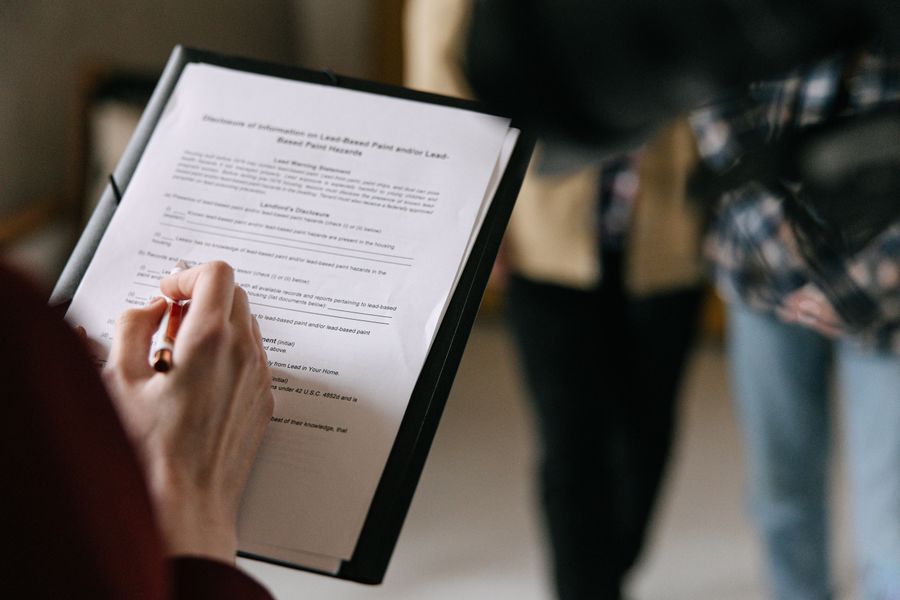
Doing this the safe way is straightforward. Start by verifying the unit and the landlord before money ever comes up, confirming the listing is genuine, the person is who they claim, and the apartment is real and viewable. Once you are satisfied, get everything in writing: the holding-fee terms, a signed reservation agreement, a receipt, and a copy of the lease to read. Pay by a traceable method with some recourse rather than a cash-like app or wire, and keep records of every message and payment. If at any point you are pressured to pay before you have verified or read anything, treat that as the scam revealing itself, and step back. A real landlord will work with a careful renter; only a fake one needs you to move fast and pay in a way you can never undo.
Main Takeaways
- A holding fee is normal, but paying one before you verify the unit and landlord is where rental scams strike.
- Reverse-image-search the listing, confirm the owner through property records, and see the unit in person or by live video first.
- Refuse wires, Zelle, gift cards, or crypto for a holding fee, since that money cannot be recovered.
- Get the fee terms, a signed agreement, a receipt, and the actual lease in writing before you pay.
- Check the rent against the market, treat urgency as a red flag, and know your local rules on rental fees.
For more housing and consumer-protection guides, browse the DelightfulBlogs Law section, or see our guide to Zelle vs Venmo rent payment scams.
Frequently Asked Questions
Is it normal to pay a holding fee to rent an apartment?
Yes, a holding fee to take a unit off the market while your application is processed is a legitimate part of renting in many places. The problem is not the fee itself but paying one before you have verified the unit, the landlord, and the written terms. A real holding fee comes with a signed agreement and clear refund conditions, not a demand to wire money for a place you have not seen.
How can I tell if a rental listing is a scam?
Warning signs include a rent far below the local market, a landlord who cannot show the unit or is “out of the country,” pressure to pay a fee fast, and demands for wire transfers, gift cards, or payment apps. Reverse-image-search the photos and look up the property owner. If the listing appears elsewhere under a different name or the details do not check out, it is likely a scam.
What payment method is safest for a rental holding fee?
One that leaves a paper trail and offers some recourse, and only after you have signed written terms. Avoid wire transfers, Zelle, Venmo, Cash App, gift cards, and cryptocurrency, since scammers favor them precisely because the money cannot be reversed. A legitimate landlord will accept a traceable payment and provide a receipt and signed agreement in return.
Can I get a holding fee back if the deal falls through?
It depends on the written terms and your local laws. A proper holding-fee agreement states whether the fee is credited toward rent or deposit and under what conditions it is refunded, for example if your application is denied. That is why you get the terms in writing before paying. Some states and cities also regulate these fees, so check your local rules.
What should I do if I have already paid a scammer?
Act quickly. Contact your bank or the payment provider to try to stop or reverse the transfer, though cash-like methods are hard to recover. Gather all your messages, receipts, and the listing details as evidence, and report the scam to the FTC and the FBI’s Internet Crime Complaint Center. Reporting may not recover your money, but it helps flag the scammer and warn others.
The Bottom Line
Renting is stressful enough without losing a deposit to someone who never had the apartment to begin with, and the holding fee is the exact moment that fraud happens. Anchor yourself to three things before any money moves: a real unit you can see, a real landlord you can verify, and real written terms you have read. Refuse to pay by methods you cannot reverse, and refuse to be rushed. Run these checks every time, and the only thing you will hand over is a fee for a place that is genuinely yours to move into.