

Why DHS’s Finance-Based Traffic Stops Face a Backlash
A program that turns bank activity into a reason to pull someone over has moved from a startling report to a courtroom. Here is why the reaction is this loud.
When the reporting first landed, a lot of people assumed it had to be overstated. A government unit that studies your finances and then decides whether you get pulled over sounds like a plot device, not a policy. The pushback that followed was not really about whether the program exists, because that part held up. It was about what a program like this does to the line between your money and the police, and that line is now being argued in federal court.
In Brief
A Department of Homeland Security effort, run through Border Patrol units called Predictive Intelligence Targeting Teams, analyzes Americans’ financial records, flags patterns it links to narcotics trafficking, and passes names to local police who carry out traffic stops. Privacy advocates object that this manufactures suspicion out of data you never see, that DHS will not say what financial information it uses or whether it has a warrant, and that reporters found no confirmed crimes caught this way. A real case, involving a Montana driver named Kyle Olson, is now testing the practice under the Fourth Amendment.
Table of Contents
What Set Off the Backlash
The trigger was a report from 404 Media naming the units for the first time and describing the mechanism: financial data in, a flagged name out, and a routine-looking traffic stop at the other end. The framing that spread fastest was blunt, that the government is using your financial data to decide who gets pulled over. It hit a nerve because it collapsed two things people think of as separate, a bank account and a squad car, into a single pipeline.
The volume of the reaction tracked that discomfort. The story climbed across communities focused on technology, surveillance, and civil liberties, and the recurring question was less “is this true” than “how is this allowed.” That is the gap the backlash is built around.
The Case That Made It Concrete
Abstract worries get sharper when there is a name attached. Kyle Olson was pulled over by Montana Highway Patrol, ostensibly for an obstructed license plate. The stop, according to reporting on the secret unit, actually originated with a Border Patrol agent who had already flagged Olson’s “financial activity patterns commonly associated with illicit narcotics activity.” What officers found was a driver transporting legally purchased cannabis products across state lines, and he was ultimately charged with DUI.
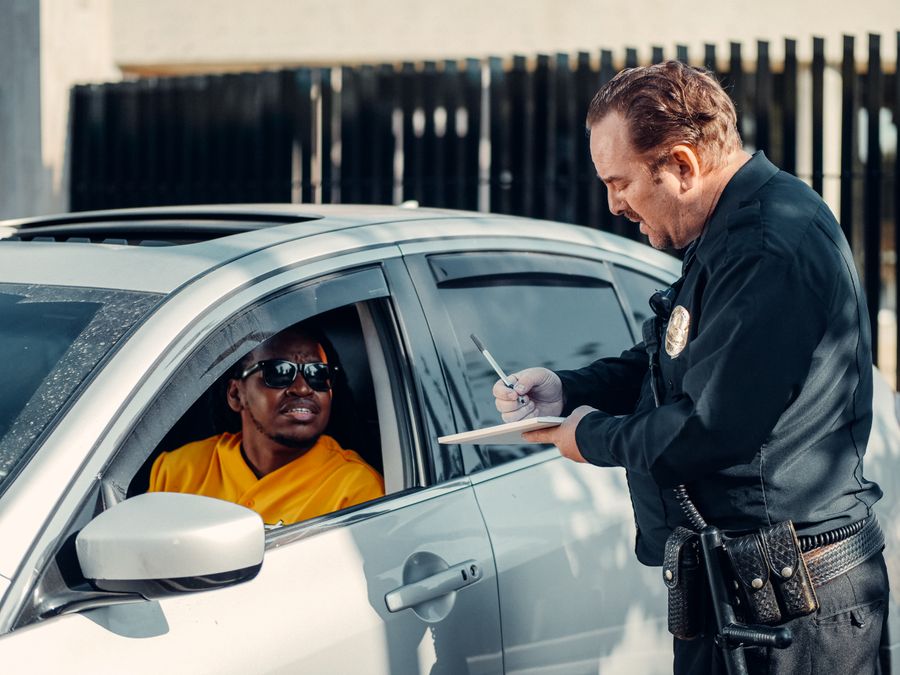
That sequence is the whole controversy in miniature. The stated reason for the stop was a plate. The real reason was a financial flag the driver never knew about. His case is now a live Fourth Amendment test, which is why the backlash is no longer just online argument.
Why Privacy Advocates Object
Strip away the outrage and the objection is fairly precise. The Fourth Amendment generally requires probable cause for a stop, and critics argue a statistical pattern in someone’s spending is not that. Jake Laperruque of the Center for Democracy and Technology put it bluntly, that “genuine probable cause cannot be synthetically generated.” Building a stop on a data model, in that view, is inventing the justification rather than finding it.
Two things make it worse for advocates. The first is what is called parallel construction, where the real basis for a search gets hidden behind a more ordinary one, like a plate violation, so a court never examines the intelligence that actually drove the stop. The second is opacity. Border Patrol declined to say what financial activity it monitors or whether it obtained warrants, and reporters said they found no confirmed instances of the units actually catching the crimes the flags were supposed to predict. A powerful tool with an unclear legal basis and no clear track record is, for privacy groups, close to a worst case.
The Bigger Worry: Where It Could Go
Right now the confirmed activity sits in a small footprint, in at least two of Border Patrol’s 20 sectors. The backlash is less about that footprint than about the precedent. If financial data can quietly become a reason to stop someone in a border sector, the fear is that the same logic spreads, to more sectors, more agencies, and eventually more kinds of “suspicious” patterns than drug activity.
That is the part that turns a narrow border-enforcement story into a broad privacy one. The tool itself is less alarming to critics than the idea that ordinary financial behavior becomes something you have to defend, without ever being told it was held against you.
Key Takeaways
- The backlash centers on a DHS program that flags drivers using financial data and routes them to local police for stops.
- DHS has not said what financial data it uses or whether it has warrants, and reporters found no confirmed crimes caught this way.
- A Montana driver’s case, Kyle Olson’s, is now testing the practice under the Fourth Amendment.
- Critics argue a data pattern is not probable cause and that “parallel construction” hides the real reason for a stop.
- The deeper concern is precedent, that finance-based suspicion could expand beyond border sectors.
This article is general information, not legal advice. It summarizes news reporting on a developing program and an active court case. For guidance about your rights in a specific situation, consult a qualified attorney or a civil-liberties organization.
For more coverage of law and privacy, browse the DelightfulBlogs Law section, or follow the story through our News desk.
Frequently Asked Questions
What is the backlash about?
It is about a DHS program that analyzes Americans’ financial records to flag drivers and passes their names to local police for traffic stops. Critics say it converts private financial data into police suspicion without the driver ever knowing.
What financial data does DHS use?
That is one of the central complaints: it is not clear. Border Patrol declined to explain what financial activity it monitors, how it accesses the records, or whether it obtains warrants, which makes the practice hard to challenge.
What is the Kyle Olson case?
Olson was pulled over in Montana on a stated plate violation, but the stop reportedly began with a financial-pattern flag. He was carrying legally bought cannabis products and charged with DUI, and his case is now a Fourth Amendment test in federal court.
Why do critics call it unconstitutional?
They argue the Fourth Amendment requires probable cause, and a statistical pattern in someone’s finances is not probable cause. They also point to “parallel construction,” where the real reason for a stop is hidden behind a routine one, avoiding judicial review.
Has the program actually caught criminals?
Reporters said they did not find confirmed instances of the units catching the crimes the financial flags were meant to predict. That absence is a major part of why privacy advocates question the program’s value.
The Bottom Line
The reason this story keeps growing is not the size of the program, which is still small and sector-specific. It is the principle underneath it, that your financial life can quietly become a reason to be stopped, on a basis you are never shown and cannot easily contest. A single driver’s court case will now start to answer whether that survives constitutional scrutiny, and how the judge rules will matter far beyond one Montana traffic stop.