
After a Strike in Odesa: How Residents Get Help
The footage from an Odesa strike shows the damage. Less visible, and just as real, is the response that starts within the hour.
When a strike hits a residential building in Odesa, the images travel first. What follows them, and rarely goes viral, is a practiced humanitarian response: medics, volunteers, boxes of supplies, and a coordination point for people who suddenly have nowhere to sleep. That machinery is the part of the story worth understanding.
Bottom Line First
After a strike on an Odesa apartment building, the response moves quickly. Emergency crews treat the injured, and local authorities open an operational headquarters to help displaced residents with temporary housing, documents, and basic needs. The Ukrainian Red Cross and city volunteers distribute food, blankets, and materials to board up damaged homes, along with medical, psychological, and legal support. The need is enormous, though. Across Ukraine, roughly 2.5 million displaced families still lack adequate shelter.
Table of Contents
What Happens in the First Hours
The immediate response is well-rehearsed by necessity. Emergency crews and medics reach the site to search damaged floors and move the injured to hospitals. In parallel, the city stands up an operational headquarters, a single place where people whose homes were hit can get help with shelter, paperwork, and essentials.
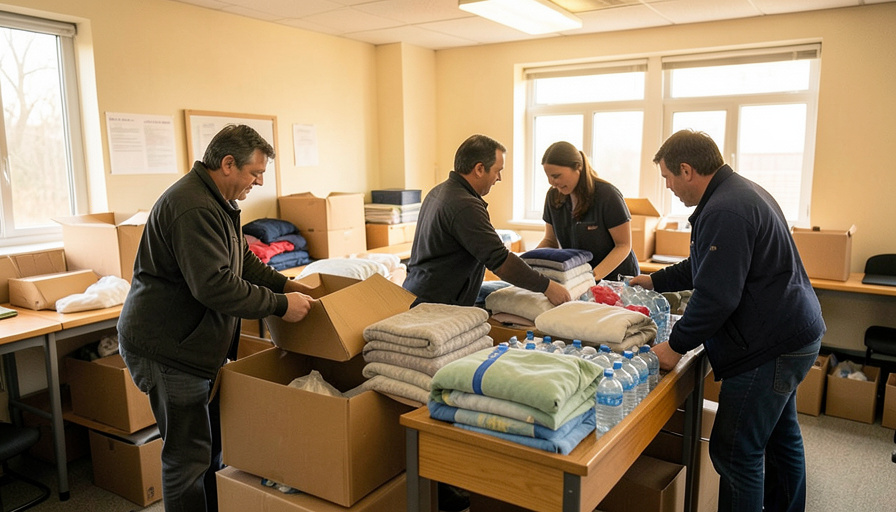
Volunteers arrive fast too. The Ukrainian Red Cross, working with local volunteers, brings humanitarian assistance for immediate needs and construction materials to temporarily seal damaged parts of homes, as the Ukrainian Red Cross has described in its response. Boarding up a shattered window before nightfall is not dramatic, but for a family staying put, it matters.
The Help Residents Can Access
Beyond the first day, the support widens. Humanitarian partners across Ukraine provide medical care, hot meals, and shelter materials, alongside two forms of help that are easy to overlook: psychological support for people living through repeated attacks, and legal assistance for those trying to replace documents or claim compensation for damage.
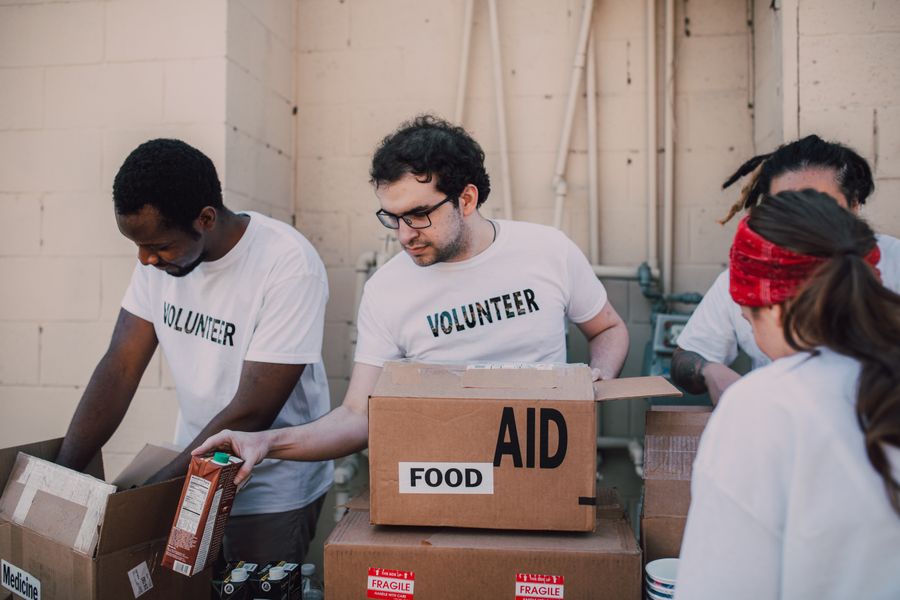
For residents, the practical route is the official one: the city administration and established aid organizations, rather than informal offers that circulate online after an attack.
The Scale of the Challenge
The response is real, and so is its limit. In the first half of 2026, humanitarian partners reached nearly 1.3 million people affected by strikes across Ukraine. Set against the need, that is still not enough: an estimated 2.5 million displaced families lack adequate shelter, and more than 2.5 million homes, around 13% of the country’s housing stock, have been damaged or destroyed, according to the United Nations in Ukraine. As winter approaches, damaged homes and heating become a matter of survival, not comfort.
How to Help From Afar
For people watching from other countries, the most useful help is money sent to established organizations rather than goods. The Ukrainian Red Cross and United Nations agencies run vetted programs for shelter, medical care, and winter support. Before donating, confirm you are giving to the official channel of a recognized organization, since crisis moments attract fake appeals as reliably as real ones.
At a Glance
- After a strike, medics treat the injured and the city opens an operational headquarters for displaced residents.
- The Ukrainian Red Cross and volunteers provide food, blankets, and materials to seal damaged homes.
- Longer-term aid includes medical, psychological, and legal support.
- Humanitarian partners reached nearly 1.3 million strike-affected people in early 2026, but need far outstrips supply.
- To help from abroad, donate money through vetted, recognized organizations.
For more coverage of world events and community response, follow the DelightfulBlogs News desk, or see our Family & Personal section for related community topics.
Frequently Asked Questions
What happens after a strike hits a home in Odesa?
Emergency crews and medics respond to search the building and treat the injured, while the city opens an operational headquarters to help displaced residents with shelter, documents, and basic needs.
Who helps displaced residents?
Local authorities coordinate the response, and the Ukrainian Red Cross and city volunteers deliver aid, including food, blankets, and materials to temporarily repair damaged homes.
What aid is available?
Immediate needs like food and shelter materials, plus medical care, psychological support for people under repeated attack, and legal assistance for replacing documents or seeking compensation.
How big is the housing problem in Ukraine?
It is severe. An estimated 2.5 million displaced families lack adequate shelter, and more than 2.5 million homes, about 13% of the housing stock, have been damaged or destroyed.
How can I help from another country?
Donate money to established organizations such as the Ukrainian Red Cross or UN agencies, and confirm you are using their official channel to avoid fake appeals.
What To Do Next
The hardest thing to see in a strike aftermath is also the most important: not the wreckage, but the quiet logistics that put a family somewhere warm by nightfall. Odesa has had far too much practice at it, and the response holds because emergency crews, city officials, and volunteers each know their part. For anyone moved by the images, the most effective response mirrors that discipline, which is to give steadily and through channels that actually reach the people in the frame.