
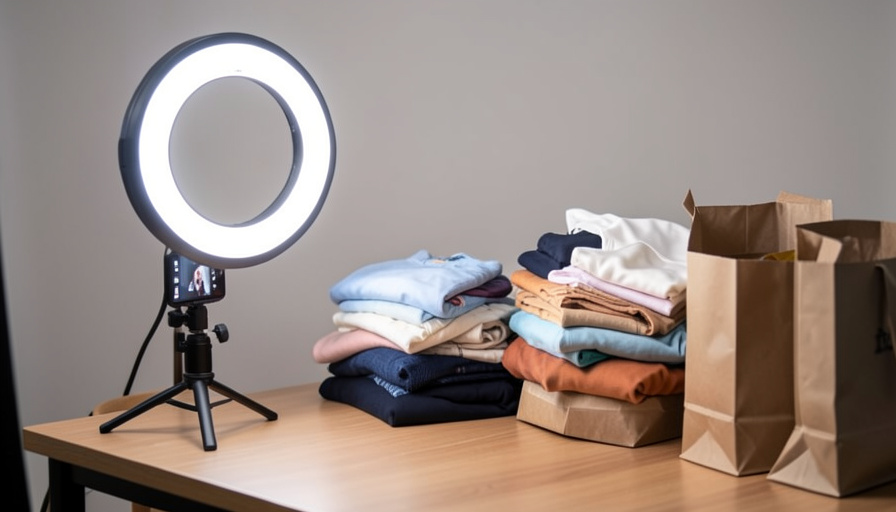
What France’s Ad Ban Means for Fashion Haul Culture
The haul video was the growth engine of ultra-fast fashion. France just attached a fine to it, and creators are the ones adjusting first.
Ultra-fast fashion did not spread through billboards. It spread through haul videos, try-on clips, and discount codes, a frictionless pipeline from a viral post to a €5 order that arrived two days later. France’s new law aims straight at that pipeline, and the people feeling it first are the creators who built it.
Short Answer
France’s fast-fashion law bans advertising for ultra-fast-fashion brands, and the ban reaches influencers whether they were paid or not. That puts hauls, affiliate links, discount codes, and try-on content for brands like Shein and Temu at legal risk in France, with fines reported at up to €100,000. Creators are already shifting, some toward secondhand and slow-fashion content, and shoppers face less of the algorithmic nudging that made buying disposable clothes feel effortless.
Table of Contents
Why the Haul Video Was the Target
To understand the law, follow the money backward. Ultra-fast-fashion brands grew by turning creators into a sales force. A haul video shows a pile of cheap clothes, a discount code drops in the caption, an affiliate link tracks the sale, and the algorithm pushes the clip to millions. It is advertising that does not look like advertising, and it converts.
France’s law treats that pipeline as the problem, not a side effect. By banning promotion of the brands themselves, it targets the exact mechanism that made a €5 top feel like an impulse worth acting on before the video ended.
What Creators Can and Can’t Do Now
The sharp edge for creators is that the ban is not limited to paid partnerships. Promoting an ultra-fast-fashion brand or its products, compensated or not, falls within scope, which pulls unpaid hauls and casual affiliate links into the rule. Violations can carry fines reported at up to €100,000, a level that coverage has framed as criminalizing the promotion of fast fashion in France.

In practice, a French creator posting a Shein try-on with a code is now doing something the law is written to penalize. The brands lose one of their most effective growth channels in the market, and creators lose an easy content format that reliably performed.
How Creator Behavior Is Shifting
The response is already visible in the broader culture. Some creators are leaning into de-influencing, content that talks people out of impulse buys, while others pivot to secondhand, thrift, and durable-brand hauls that the law does not target. Slow-fashion creators, long a smaller niche, suddenly have the regulatory wind at their backs.
The complication is jurisdiction. Platforms like TikTok and Instagram are global, and a rule written in France does not neatly cover a creator posting from elsewhere, a tension noted in reporting on how the law targets Shein and Temu. How platforms enforce it, and where, is still being worked out.
What It Means for Shoppers
For everyday shoppers in France, the change is subtle but real. Less of the feed nudges toward disposable fashion, the required Environmental Cost score puts a garment’s impact in view, and the effortless path from clip to checkout gains a little friction. None of that stops anyone from buying a cheap top. It just removes the machinery that made not buying one feel like the harder choice.
What Matters Most
- France’s ad ban reaches influencers whether or not they were paid, pulling hauls and affiliate links into scope.
- Promoting ultra-fast-fashion brands like Shein or Temu can carry fines reported at up to €100,000.
- The law targets the creator-driven pipeline that made ultra-fast fashion spread.
- Creators are shifting toward de-influencing and secondhand or slow-fashion content.
- Enforcement across global platforms and outside France is still unsettled.
This article is general information, not legal advice. Rules and enforcement vary and are still being finalized, so consult a qualified professional about how any requirement applies to a specific creator or business.
For more consumer and regulation coverage, browse the DelightfulBlogs Law section, or read related retail stories in our Business section.
Frequently Asked Questions
Does France’s law ban fashion haul videos?
It bans promoting ultra-fast-fashion brands and products, paid or not, which puts hauls, try-ons, and affiliate content for those brands at legal risk in France. Hauls of secondhand or non-targeted brands are not the focus.
Can influencers still post about Shein or Temu in France?
Promoting those brands or their products is what the ban targets, and it applies even to unpaid posts. That makes a French creator’s Shein haul with a discount code the kind of content the law is written to penalize.
How much is the fine?
Reporting puts the maximum at up to €100,000 for promoting ultra-fast-fashion products or brands, whether or not the creator was compensated.
How are creators responding?
Many are shifting toward de-influencing content or hauls of secondhand, thrift, and durable brands that the law does not target, which has given slow-fashion creators new momentum.
Does this affect creators outside France?
The law applies within France, and enforcement across global platforms and for creators posting from other countries is still being worked out, so the practical reach beyond France is not yet settled.
Closing Thoughts
The most interesting thing about France’s approach is where it aimed. Instead of only taxing the clothes, it went after the content that sold them, treating the haul video as part of the supply chain. Whether that reshapes creator culture or just pushes it across a border, it marks a shift in how governments think about influence: not as speech to protect at all costs, but as advertising that can carry a bill. Other countries eyeing fast fashion will be watching which of those readings wins.