
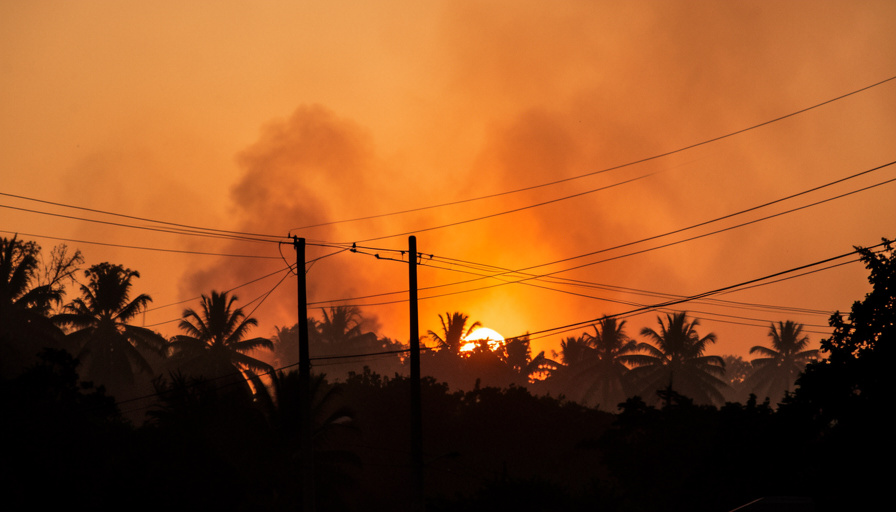
The Slow Loris on the Wires After Kalimantan’s Fires
A small primate clinging to a power line near homes after the fires is easy to scroll past. It is also a snapshot of a slow-motion crisis.
When wildfires push wildlife out of the forest, the animals do not vanish. They turn up on roads, in plantations, and on the wires strung between houses. A slow loris spotted on power lines near a residential area after the Kalimantan fires is exactly that kind of sight, and behind it sits a problem conservationists have been documenting for years.
Short Answer
As wildfires burn through Kalimantan in Indonesian Borneo, they are destroying wildlife habitat and pushing animals toward human areas. A slow loris seen on power lines is one such scene, and it points to a documented danger: as forests fragment, these small, endangered primates travel along power cables, where electrocution causes severe injuries and deaths. On top of fire and habitat loss, the slow loris faces a relentless illegal pet trade. Rescue groups treat and release survivors, and low-cost fixes like insulating power lines are starting to reduce the harm.
Table of Contents
What’s Happening in Kalimantan
The backdrop is a severe fire season. Blazes intensified by El Niño have been tearing through forests and carbon-rich peatlands in West Kalimantan, and the scale is stark. Indonesia’s disaster agency reported that tens of thousands of hectares had burned in the province, and an extraordinary share of the fire hotspots fell directly inside critical wildlife habitat.
The result is a wave of displacement. Rescuers have pulled orangutans, including nursing infants, from plantations where fire cut them off from the forest, a scramble documented by reporting on the Borneo fires. Orangutans get the headlines because they are large and charismatic, but they are far from the only animals forced toward human settlements. Smaller species, the slow loris among them, are pushed out too, with far less notice.
Why Slow Lorises End Up on Power Lines
This is the part that makes the power-line image so telling. As forests are cut up by development and now scorched by fire, the patches that remain get isolated, and a slow loris trying to move between them often finds that the only bridge is a power cable. These are slow, nocturnal, tree-dwelling primates, and the high-voltage lines they climb deliver devastating shocks that cause severe burns, lost limbs, blindness, and death.
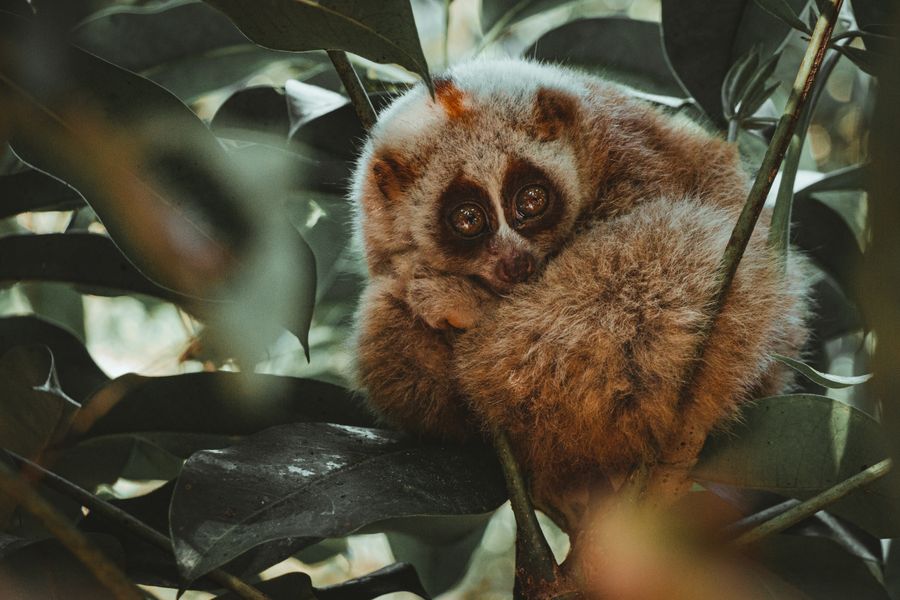
The numbers make it concrete. Among 108 slow lorises rescued in one West Java study, several were found with electrocution injuries, including third-degree burns that proved fatal, part of the grim pattern that led International Animal Rescue to warn about electrocuted Indonesian slow lorises. A fire that fragments habitat kills some animals outright and reroutes the survivors onto the wires.
The Other Threats: Pet Trade and Venom
Fire and power lines are only part of the story. The single greatest threat to the slow loris is the illegal wildlife trade. Their huge eyes and soft fur make them prized as pets, and thousands are poached from the wild and sold in markets or online, often after having their teeth clipped, a painful mutilation done to make them safer to handle.
That last detail hints at something many people do not know: the slow loris is the only venomous primate, able to deliver a toxic bite. It is a defense that evolved over millions of years, and it is also part of why the animals are so badly mishandled in the trade. The “cute” viral clips that circulate online are, more often than not, footage of a trafficked, suffering animal.
What Rescue and Prevention Look Like
The response is real, and some of it is refreshingly practical. Rescue centers in Indonesia provide round-the-clock care for injured lorises, including burn treatment and surgery, and over more than a decade one program has rescued over a thousand animals and returned the majority to the wild. Prevention is advancing too, with conservationists insulating power lines using coconut fibre, a cheap, locally available material that can keep a climbing loris from completing a fatal circuit.
There is a role for the rest of us as well. Not buying exotic pets, and not liking or sharing “adorable” slow loris videos that fuel demand, does more good than it sounds. If you ever encounter a displaced wild animal, the right move is to contact a local wildlife rescue rather than approach it, both for its safety and, given the loris, for yours.
Main Takeaways
- Wildfires in West Kalimantan are destroying habitat and pushing wildlife toward human areas.
- Fragmented forests force slow lorises onto power lines, where electrocution causes severe injury and death.
- The illegal pet trade remains the slow loris’s biggest threat, worsened by “cute” viral videos.
- The slow loris is the only venomous primate, and trafficked ones often have their teeth cruelly clipped.
- Rescue centers treat and release survivors, and insulating power lines with coconut fibre helps prevent deaths.
For more coverage of world events and the natural world, follow the DelightfulBlogs News desk, or explore related destinations in our Travel section.
Frequently Asked Questions
What is a slow loris?
A small, slow-moving, nocturnal primate native to parts of South and Southeast Asia, including Indonesian Borneo. It has large round eyes, is tree-dwelling, and is notably the only venomous primate.
Why do slow lorises end up on power lines?
When forests are fragmented by development or fire, power cables can become the only route between isolated tree patches. Lorises climb them and risk electrocution, which causes burns, lost limbs, blindness, and death.
How do the Kalimantan fires affect them?
The fires destroy and fragment habitat and push animals toward human areas, increasing dangerous encounters with roads, plantations, and power lines. Larger species like orangutans get rescued more visibly, but smaller animals are displaced too.
Are slow lorises endangered?
Yes. Slow loris species are threatened, driven largely by the illegal pet trade alongside habitat loss. Some are in serious danger of extinction in Indonesia.
How can people help?
Avoid buying exotic pets, and do not like or share “cute” slow loris videos, which fuel trafficking. Support reputable rescue organizations, and contact local wildlife rescue rather than handling a displaced animal.
Closing Thoughts
It is easy to see a loris on a wire as a stray oddity, a strange photo from a faraway fire. It is really a small, clear signal of a bigger unraveling: habitat vanishing, animals funneled into danger, and a trade that treats a venomous wild primate as a novelty. The hopeful part is that the fixes are not exotic. Insulated cables, working rescue centers, and a public that stops rewarding cruelty dressed up as cute would move the needle. The loris on the wire is asking, in its way, for exactly that.