
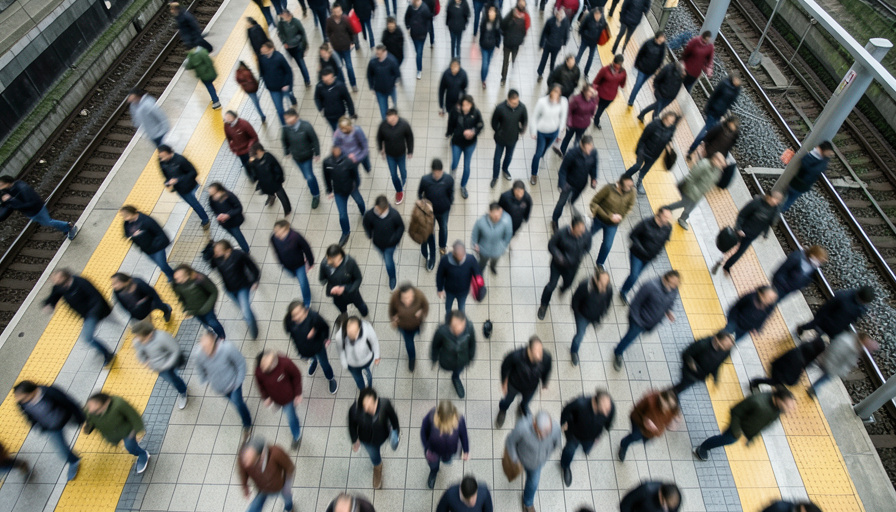
Why London’s Liverpool Street Station Feels So Crowded
Every few weeks, a clip of a packed Liverpool Street concourse goes viral. Here’s what is actually driving the crush, and the billion-pound plan meant to end it.
Shoulder-to-shoulder crowds, a sea of people barely moving under a glass roof, someone filming it in disbelief. The footage from London Liverpool Street looks alarming because it is genuinely crowded, and it keeps happening for reasons that are structural rather than accidental. The good news is that a fix is finally underway. The catch is that getting there will make things worse before they get better.
In Brief
Liverpool Street is Great Britain’s busiest railway station, and clips of its jammed concourse at peak times go viral on a regular basis. The crowding is real, driven by enormous passenger numbers funneled through a layout never designed for them. A £1.2 billion redevelopment, approved in early 2026, aims to fix it with a far larger concourse, more ticket gates, and step-free access, though the work means disruption and closures in the meantime. For now, travelers can dodge the worst of it by avoiding peak windows and checking service updates before they go.
Table of Contents
Why It Gets So Crowded
The core problem is volume meeting geometry. Liverpool Street has been Britain’s busiest railway station for three years running, with close to 100 million entries and exits, and at peak hours the flow of people regularly pushes the concourse beyond comfortable, and at times safe, operating levels. Data from the rail regulator has repeatedly put it at the top of Britain’s busiest-station list.
The numbers are only half of it. National rail services, the Underground, and the Elizabeth line all converge here, and the building’s layout forces those streams of people to cross and merge in tight spaces. When a train is delayed or a platform is held, the concourse fills faster than it can clear, and that is the moment someone reaches for their phone.
The Billion-Pound Fix
A major overhaul is now approved. The City of London planning committee signed off on a redevelopment in early 2026 that Network Rail puts at around £1.2 billion, designed to expand capacity and modernize the station. The plans include a roughly 76% larger concourse, a significant increase in ticket-gate capacity, and new lifts and escalators to make the whole station step-free, as detailed in the official redevelopment plans.
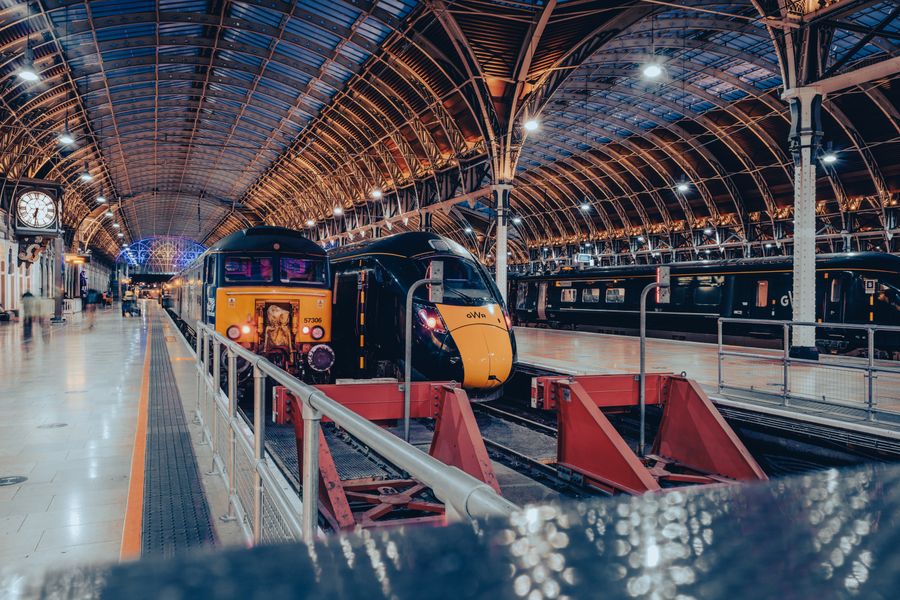
The logic is straightforward: more room and more gates mean people move through instead of piling up. If it delivers, the viral crowd clips should become a lot rarer once the work is done.
The Catch: Disruption While They Build
Rebuilding one of the country’s busiest stations while it stays open is not painless. Projects like this bring phased closures, diverted services, and periods when parts of the station are walled off, including planned shutdowns over some holidays and weekends. In the near term, that can mean more congestion and changed routes, not less, so the promised relief is a few years away rather than a few weeks.
How to Navigate It Now
Until the upgrades land, a little planning goes a long way. Avoid the tightest peak windows, roughly the morning rush around eight to nine and the evening around five to half past six, if your schedule allows. Check live status through National Rail or Transport for London before you set off, since a single delay can turn the concourse into a crush. Give yourself extra time, follow staff and crowd-control directions during surges rather than pushing through, and if you can, consider a slightly off-peak train or an alternative interchange.
Key Takeaways
- Liverpool Street is Britain’s busiest station, with close to 100 million entries and exits a year.
- Peak-time crowding comes from huge passenger volumes moving through a cramped, conflicting layout.
- A £1.2 billion redevelopment approved in early 2026 will enlarge the concourse and add gates and step-free access.
- The construction brings closures and disruption before the benefits arrive.
- For now, avoid peak windows, check live status, and allow extra time.
For more travel and transport coverage, browse the DelightfulBlogs Travel section, or follow related stories on our News desk.
Frequently Asked Questions
Why is Liverpool Street station so crowded?
It is Britain’s busiest station, and at peak times the volume of passengers moving through a layout that was not built for those numbers pushes the concourse past comfortable levels, especially when a delay backs up the flow.
Is it really the busiest station in Britain?
Yes. Rail regulator data has placed London Liverpool Street at the top of Britain’s busiest-station rankings for three years running, with close to 100 million entries and exits.
What is the redevelopment plan?
A roughly £1.2 billion overhaul, approved in early 2026, that will expand the concourse by about 76%, add ticket-gate capacity, and install lifts and escalators for full step-free access.
Will there be closures during the work?
Yes. Rebuilding a live station involves phased closures and diverted services, including planned shutdowns over some holidays and weekends, so expect disruption before the improvements arrive.
How do I avoid the crowds?
Travel outside the busiest morning and evening windows if you can, check live status before you go, allow extra time, and follow staff directions during busy surges.
The Bottom Line
The viral Liverpool Street clips are not exaggerating, and they are not really about one bad day. They are what happens when a Victorian-era station carries twenty-first-century numbers through the same old doors. The billion-pound rebuild is a genuine answer, and in a few years the crush should ease. Until then, the smartest move is the unglamorous one: know when the station bites, and plan your day around its worst hour.