

Why RTO Ultimatums Are Fueling Malicious Compliance at Work
A hard return-to-office ultimatum almost never gets what it is actually after. It gets bodies at desks, which is different from work. Here is why the tactic keeps producing malicious compliance instead of collaboration, and what that quietly costs.
The pattern has become familiar enough to feel scripted. A company issues a firm return-to-office mandate, framed as non-negotiable. Employees who cannot easily leave do the math and comply, technically. They badge in, put in an appearance, and give back exactly the amount of engagement the policy earns. The office looks fuller on the attendance report and emptier in every way that matters. This is not a productivity strategy failing by accident; it is people responding rationally to being managed by a turnstile.
The Short Version
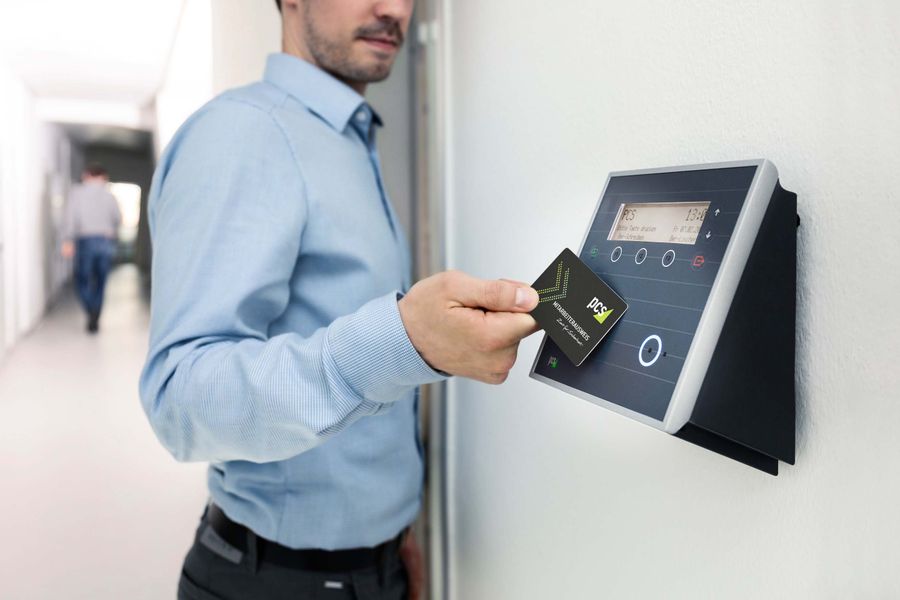
When return-to-office is delivered as an ultimatum, a lot of workers respond with malicious compliance: following the letter of the policy while withdrawing the discretionary effort it was meant to capture. The most visible form is “coffee badging,” showing up briefly to register attendance, then leaving. Owl Labs’ surveys found the practice peaked at 58 percent of hybrid workers in 2023 and has since declined to around 43 percent as employers crack down with badge tracking and full-day rules. The result is a low-trust standoff: companies measure presence, employees supply presence, and the collaboration the mandate promised does not automatically follow.
What malicious compliance actually looks like
Malicious compliance is not sabotage, and that is what makes it hard to manage. Workers do exactly what they are told, no more, and let the gap between the rule and its intent speak for itself. In an RTO context it takes a few recognizable shapes: coffee badging in for the swipe and heading home, staying strictly on the clock and not a minute past, taking calls from an office phone booth that could have happened anywhere, and quietly declining the informal collaboration that was the whole stated reason for coming in. A widely read Fortune report on RTO defiance catalogued the small versions of this, from workers pocketing office snacks to leaving the moment their manager does. None of it breaks a rule. All of it withholds the part that was never really in the rulebook.
Why an ultimatum triggers it
The mechanism is fairness, not laziness. People who feel a policy was imposed unfairly look for ways to rebalance the ledger, and effort is the lever they control. Peter Cappelli, a management professor at the Wharton School, put it plainly in that Fortune piece: “When employees feel that something is unfair, they act to make it fair. That reflects poorly on the leadership, down to the manager.” An ultimatum is almost designed to feel unfair, because its whole posture is that your judgment about your own work does not count. Compliance-without-engagement is the predictable answer to being told to show up rather than being given a reason to.
What the data shows
The numbers tell a more interesting story than the headlines. Coffee badging is real and widespread, but it is also declining, largely because employers noticed. Owl Labs’ State of Hybrid Work research tracked it falling from 58 percent of hybrid workers in 2023 to around 43 percent by 2025, as companies moved from counting badge-ins to enforcing full days. The same research found managers admit to coffee badging more often than individual contributors do, which complicates the usual story about who is resisting. And it found that most workers who coffee badge eventually get caught, with a share of them then required to stay the full day. That is the cat-and-mouse in one statistic: the tactic works until the employer tightens the rule, and then it moves somewhere quieter.
The attendance gap nobody wants on a slide
Here is the uncomfortable part for leadership. Mandating more office time does not reliably produce more time actually spent in the office, let alone more collaboration. Reporting on the RTO wave has repeatedly found required in-office days rising far faster than measured attendance, a gap that only makes sense if people are complying on paper and opting out in practice. Big employers set the tone here, with high-profile full-return mandates at companies like Amazon, JPMorgan, and AT&T through 2025. The mandates are easy to announce. Closing the distance between “everyone must be in five days” and “everyone is meaningfully working together five days” is the part no policy memo solves.
What it means for both sides
For managers, the lesson is that presence is a weak proxy for the thing they actually want, and enforcing it harder tends to buy more theater rather than more output. The teams that get real in-office value usually offer a reason to come in, like genuine collaboration, mentorship, or work that is simply better done together, rather than a threat for staying home. For employees, the honest caveat is that their bargaining power has narrowed. Far fewer people quit outright over RTO than during the peak of the remote-work standoff, employers are watching attendance more closely, and coffee badging carries real risk of being caught. Malicious compliance is a rational short-term move, but it is a standoff, not a win, for anyone.
Main Takeaways
- Hard RTO ultimatums tend to produce malicious compliance: following the policy exactly while withholding the collaboration it was meant to create.
- Coffee badging, showing up briefly to register attendance then leaving, is the most visible tactic.
- Owl Labs found coffee badging fell from 58 percent of hybrid workers in 2023 to around 43 percent by 2025 as employers cracked down.
- Required office time has risen faster than actual attendance, exposing a gap between mandated and real presence.
- Enforcing presence harder buys compliance, not engagement; offering a real reason to come in works better.
For more workplace and careers coverage, browse the DelightfulBlogs Business section, or follow our News desk.
Frequently Asked Questions
What is malicious compliance at work?
It is following a rule to the letter while withholding the intent behind it. In a return-to-office context, that means meeting attendance requirements exactly while doing little of the in-person collaboration the mandate was supposed to encourage. Nothing breaks policy, but the spirit of it goes unmet.
What is coffee badging?
Coffee badging is showing up at the office briefly, long enough to badge in and be seen, then leaving to work elsewhere. It lets employees satisfy an attendance check without spending the full day in the office. Owl Labs research found it common but declining as employers catch on.
Why do return-to-office mandates backfire?
Because they measure presence rather than engagement, and workers who feel a mandate is unfair rebalance by giving only what the rule requires. An ultimatum signals that an employee’s judgment does not count, which tends to produce compliance without the collaboration the policy wanted.
Is coffee badging increasing or decreasing?
Decreasing, according to Owl Labs surveys, which tracked it falling from 58 percent of hybrid workers in 2023 to about 43 percent by 2025. The decline is largely because employers moved from counting badge-ins to enforcing full-day attendance.
Do many people quit over RTO mandates?
Fewer than at the height of the remote-work standoff. Outright quitting over RTO has become less common, which is part of why malicious compliance has replaced it: workers who cannot easily leave stay and resist in quieter, lower-risk ways instead.
The Bottom Line
An ultimatum is a blunt instrument aimed at a subtle problem. You can order people into a building, but you cannot order the thing you actually wanted, which is their willing effort and the collaboration that comes with it. Malicious compliance is what fills that gap: a workforce that gives you the letter of the policy and keeps the rest. The companies getting real value from the office are mostly the ones that stopped issuing threats and started making the case, and the standoff everywhere else is a slow reminder that presence and productivity were never the same number.