
Can a Tourist Tax Fix Lake Como’s Day-Tripper Problem?
Every summer the Lake Como crowd videos trend, and every summer officials float the same fix: make day-trippers pay to come. Here is what is actually on the table, and whether a fee does anything about the crush.
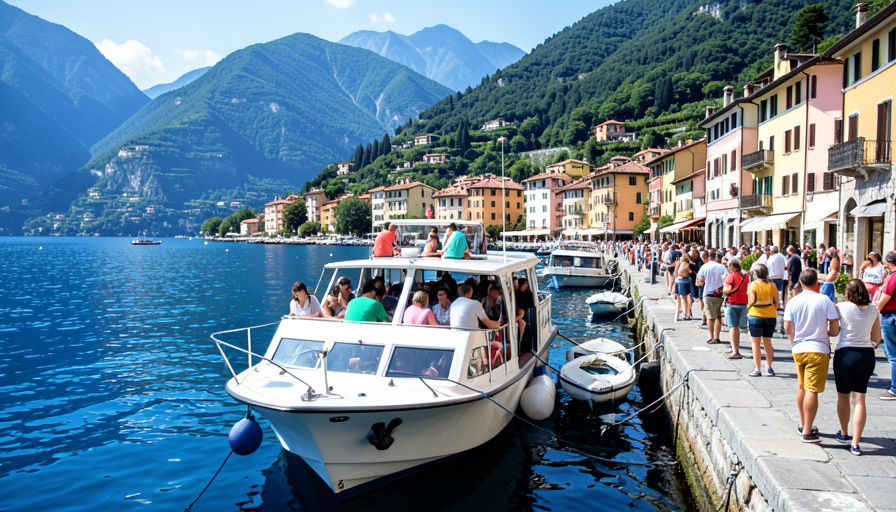
Lake Como’s overcrowding problem has a very specific shape. It is not that too many people love the lake; it is that a huge share of them arrive for a few hours, cluster in the same three towns, and leave without staying a night or spending much money. That imbalance, lots of strain and little local benefit, is exactly what a day-tripper tax is meant to target. Whether it works is the harder question.
The Short Version
Officials at Lake Como, led by Como’s mayor, have floated a Venice-style tax aimed specifically at day visitors, on top of the overnight tax hotels already collect. The idea borrows directly from Venice, which now charges day-trippers an access fee. A fee like this can raise money and send a signal, but the evidence from Venice suggests it does more for budgets than for actual crowd numbers. Real relief tends to come from limits, ferries, timed entries, and caps, more than from a small charge at the door.
Why day-trippers are the target
The math is what drives the policy. Como draws well over a million tourists a year, and the busiest towns absorb a midday flood of visitors who come by ferry, spend a few hours, and go. Those visitors create the crowding, the ferry queues, and the wear on small towns, but because they do not stay overnight, they contribute little to the local economy that has to manage them. We covered why the crowding lands so hard on Bellagio and Varenna and how travelers can dodge it. A day-visitor fee is the policy version of the same observation: charge the people who bring the strain but not the stay.
The Venice playbook everyone is copying
Lake Como is not inventing this. Venice, after years of debate, rolled out an access fee for day-trippers, charging visitors over the age of 14 to enter the historic center on peak days. It is the reference point every crowded Italian destination now cites, including Como, whose mayor has openly taken a cue from the Venice approach. The appeal is obvious: a fee is politically simpler than banning anyone, it produces revenue that can fund crowd management, and it lets a city say it is doing something about a problem residents complain about loudly.
What Lake Como is actually weighing
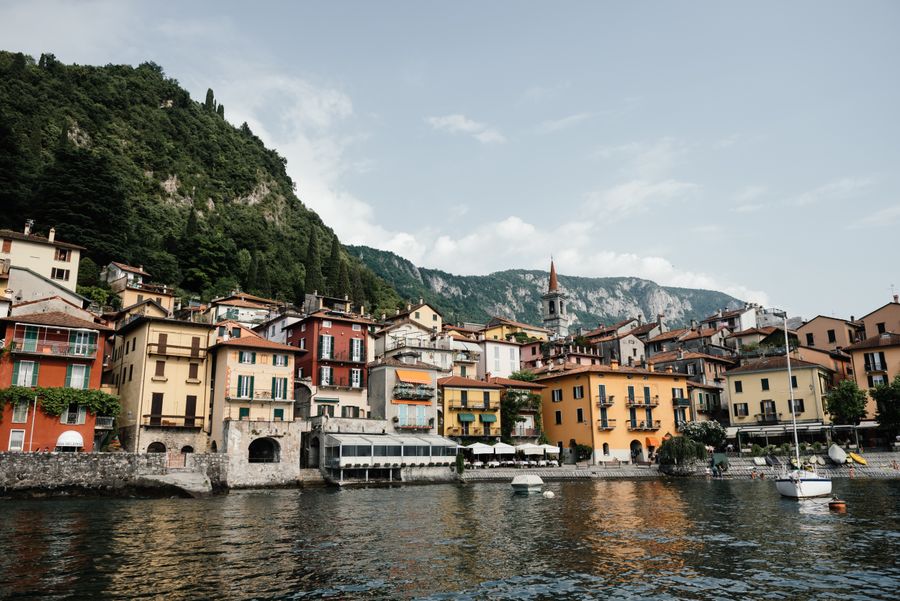
The specifics are still unsettled, which is worth being honest about. Como’s leadership has signaled that a tax targeting day visitors is on the table, but the amount, who exactly would pay, and when it would start have not been finalized. This would sit alongside the tourist tax that hotels and other accommodation already add to overnight stays, which is standard across northern Italy. The new part is the idea of charging the day-tripper specifically, the visitor who currently pays nothing to arrive and adds the most to the crowd.
Does a fee actually cut the crowds?
Here is the part the headlines skip. Venice’s experience suggests a day-tripper fee is better at raising money and gathering data than at thinning crowds. A charge of a few euros is a rounding error for someone who has already traveled to Italy, so most people simply pay it and come anyway. The fee can fund staff, cleaning, and management, and it discourages the most casual visitors at the margin, but it does not, on its own, turn a packed July afternoon into a calm one. The measures that actually move crowd numbers are blunter: limiting ferry capacity at peak times, timed entries at the busiest sites, and hard caps on how many people can be somewhere at once. A tax is a useful tool. It is not, by itself, the fix.
What Matters Most
- Lake Como officials are weighing a Venice-style tax aimed at day-trippers, separate from the existing overnight tax.
- Day visitors are targeted because they cause the crowding but rarely stay overnight or spend much locally.
- Venice already charges day-trippers over 14 an access fee on peak days, and Como is copying the idea.
- The details, amount, who pays, and start date, are not finalized.
- Fees raise revenue and signal intent, but caps, ferry limits, and timed entries do more to reduce crowds.
For more destination coverage, browse the DelightfulBlogs Travel section, or follow our News desk.
Frequently Asked Questions
Does Lake Como have a tourist tax?
Yes, in the form of an overnight accommodation tax that hotels and rentals add to a stay, which is standard in northern Italy. The newer proposal is a separate fee aimed specifically at day visitors, which is still under discussion.
What is a day-tripper fee?
It is a charge for visitors who come for the day without staying overnight. Venice has introduced one for peak days, charging visitors over 14 to enter, and Lake Como officials have floated a similar idea.
Did Venice’s tourist fee reduce crowds?
Not dramatically. It raised revenue and gave the city data on visitor numbers, but a small fee does little to deter people who have already traveled to Italy. Most pay and visit anyway.
Will Lake Como charge day visitors a fee?
It is being considered, but nothing is confirmed. The amount, who would pay, and when it might start have not been decided, so treat it as a proposal rather than a policy for now.
What actually reduces overtourism crowds?
Measures with teeth: limiting ferry capacity at peak times, timed entries at popular sites, parking restrictions, and caps on visitor numbers. A fee can support these, but on its own it mostly raises money.
What This Means
A day-tripper tax at Lake Como would be a reasonable move and a limited one. It targets the right group, the visitors who bring the crush without the spend, and it copies a model Venice has already tested. But if the goal is a lake that feels less overwhelmed in August, a few euros at the gate is not going to deliver it. The honest version is that towns reach for a fee because it is the easiest thing to pass, while the measures that would actually thin the crowds, hard limits on how many people arrive and when, are the ones that are politically hardest to impose. Como is right to act. The question is whether it is willing to do the part that works.