
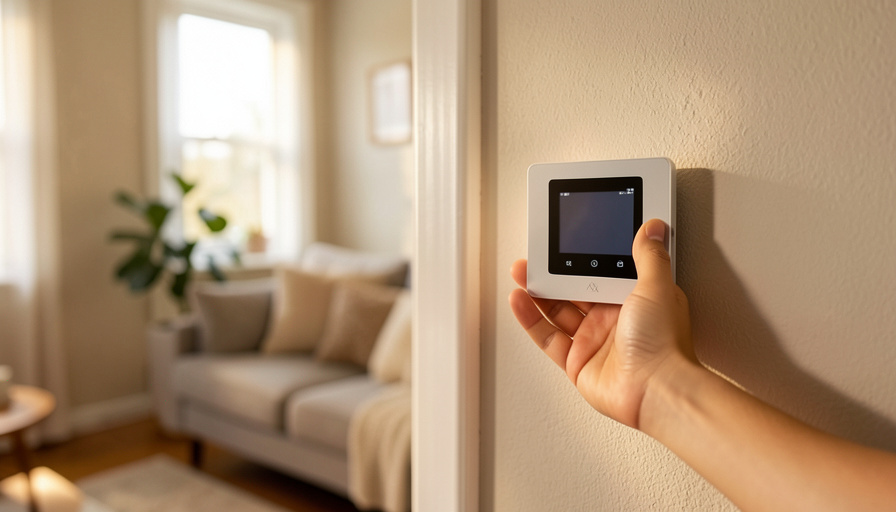
10 Heat Pump Thermostat Settings to Check Before You Call
The house feels chilly, the heat pump is running but the air coming out feels cool, and your hand is already on the phone to book an emergency service call. Hold on a second. A surprising share of “no heat” complaints turn out to be a thermostat setting or a normal heat pump behavior that just looks wrong, not a broken system. Before you pay for a visit, it is worth two minutes at the thermostat. Here are ten settings and behaviors to check first, any one of which could be the whole problem.
Heat pumps do not act like the furnaces most of us grew up with. They blow cooler air, they pause to defrost, and they lean on backup heat when it gets truly cold, so a lot of what feels like a failure is actually the system working as designed, or a setting quietly fighting you. Running through this list rules out the easy stuff, and often turns an alarming “no heat” into a quick fix.
The Short Version
Before calling for service on a heat pump that seems not to be heating, confirm the thermostat is set to Heat with the target temperature a few degrees above the room, the fan is on Auto rather than On, and you are not accidentally locked in Emergency Heat or being fooled by the naturally cooler air a heat pump produces. Then check that a defrost cycle is not what you are seeing, that a program or Away hold is not setting the temperature back, that the thermostat has power and good batteries, that a recently installed thermostat has the correct heat-pump reversing-valve setting, and that no lockout or wide swing is delaying the call for heat. Most “no heat” cases hide in that list.
Why your heat pump can feel like it isn’t heating
A heat pump does not burn fuel to make hot air. It moves heat from the outdoor air into your home, which means the air from the vents is warm but noticeably cooler than a furnace’s blast, often in the range that feels lukewarm to your hand, as ENERGY STAR describes in its explainer on how a heat pump works. On top of that, it periodically runs a defrost cycle and relies on backup heat in cold snaps. The thermostat is the brain controlling all of it, so mode, setpoint, fan, schedule, and a few heat-pump-specific settings all have to be right, or the system will not heat the way you expect. Checking these first is what separates a two-minute fix from an unnecessary service fee.
This is general troubleshooting for thermostat settings, not a repair guide, and heat pumps involve electrical and refrigerant systems. If you smell burning, see ice that will not clear, hear grinding, or a breaker keeps tripping, stop and call a licensed HVAC professional. Do not open the electrical panel or the unit, and do not bypass any safety control. If the system still will not heat after these checks, book a pro.
The 10 settings and behaviors to check
- Confirm it is set to Heat. It sounds obvious, but the mode selector is a top culprit, especially in the shoulder season when it may still be on Cool or Off, or nudged there by accident. Set the mode clearly to Heat and give the system a minute to respond.
- Set the target above the room temperature. If your setpoint is at or below the current room temperature, the thermostat has no reason to call for heat. Raise the target three to five degrees above the room and watch for the system to kick on.
- Put the fan on Auto, not On. With the fan set to On, the blower runs constantly, pushing room-temperature air through the vents between heating cycles, which feels exactly like cool air and no heat. Switch the fan to Auto so it only blows when the system is actually heating.
- Check whether you are stuck on Emergency Heat. Emergency or auxiliary heat bypasses the efficient heat pump and runs only the backup, which can feel weak and costs more to run. Make sure you are not accidentally locked in Em Heat, and only use it deliberately when the heat pump itself is down.
- Do not be fooled by lukewarm air. Because a heat pump produces cooler air than a furnace, holding your hand to the vent and feeling “not hot” does not mean it is broken. Check that the air is warmer than the room and give it time to bring the space up, rather than judging by a single touch.
- Recognize a defrost cycle. In cold, damp weather the outdoor unit periodically melts frost off its coil, during which it briefly blows cooler air indoors and may steam outside. This is normal and temporary, so wait a few minutes and see if warm air returns before assuming a fault.
- Rule out a schedule or Away hold. A programmed setback or a vacation or Away mode may be holding the temperature down on purpose. Check the schedule and any active hold, and note that for heat pumps the Department of Energy advises against deep setbacks, recommending you largely set it and leave it rather than swinging the temperature.
- Check thermostat power and batteries. A thermostat with dying batteries or a blank screen cannot call for heat at all. Replace the batteries, confirm the display is on and responsive, and make sure the thermostat has not lost power at its breaker or fuse.
- Verify the reversing-valve setting on a new thermostat. If your thermostat was recently replaced, the heat-pump reversing-valve setting, often labeled O or B, must be configured correctly, or the system can run in the wrong mode and blow cool air when calling for heat. Check the setup if the problem started after a thermostat swap.
- Look for a lockout or wide temperature swing. Some thermostats have a compressor lockout tied to outdoor temperature, or a wide differential that delays the heating cycle. If heat comes on slowly or not until the room drops far, check these settings so the system responds sooner.
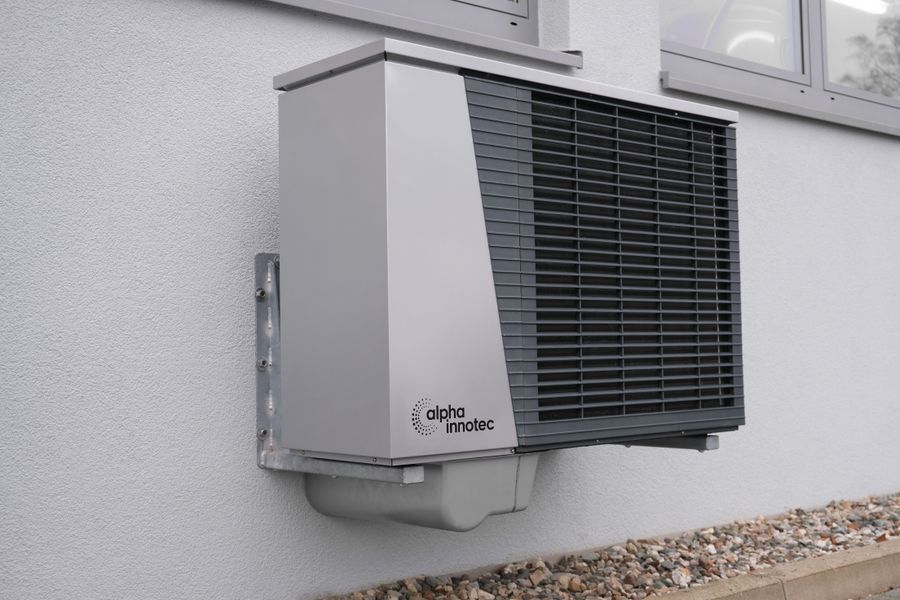
If the thermostat checks out
When every setting looks right and the heat pump still will not warm the house, a few quick, safe checks come next before you call. Confirm the outdoor unit has power, since many systems have a separate disconnect switch or breaker that can trip. Check that the air filter is not clogged, because a dirty filter chokes airflow and can make the system feel weak or shut down on a safety limit. Make sure supply vents and returns are open and not blocked by furniture, and clear any snow or ice packed around the outdoor unit so it can breathe. If all of that is fine and the system genuinely is not heating, or you notice ice that will not melt, odd noises, or repeated breaker trips, that is the point to bring in a licensed HVAC professional rather than pushing further yourself.
Main Takeaways
- Many heat pump “no heat” calls are really a thermostat setting, so check Heat mode, a setpoint above the room, and the fan on Auto first.
- Heat pumps blow cooler air than furnaces and run defrost cycles, so lukewarm air or a brief cool blast is often normal, not a fault.
- Make sure you are not stuck in Emergency Heat, and that a schedule or Away hold is not setting the temperature back.
- Check thermostat power and batteries, and verify the reversing-valve setting if the thermostat was recently replaced.
- If settings are right, check the outdoor disconnect, filter, and vents, then call a licensed pro for ice, noises, or tripping breakers.
For more home-maintenance and DIY guides, browse the DelightfulBlogs Home Improvement section, or see our guide to GFCI outlet symptoms that signal a wiring problem.
Frequently Asked Questions
Why is my heat pump blowing cool air?
Often it is normal. A heat pump produces air that is warm but cooler than a furnace, so it can feel lukewarm at the vent even when it is working. It may also be running a defrost cycle, or the fan may be set to On, pushing room-temperature air between cycles. Check that the mode is Heat, the fan is on Auto, and the air is warmer than the room before assuming a problem.
What is emergency heat, and should I use it?
Emergency or auxiliary heat bypasses the efficient heat pump and runs only the backup heat source. It is meant for when the heat pump itself has failed, since it costs more to run. If you are accidentally stuck on Em Heat, switching back to normal Heat may fix a weak, expensive-feeling system. Only select emergency heat deliberately when the heat pump is not working and you need warmth.
Should I lower my heat pump’s temperature at night?
Generally no. Unlike a furnace, a heat pump runs most efficiently at a steady temperature, and a deep setback can trigger the expensive backup heat to catch back up, as the Department of Energy notes. For most heat pumps the guidance is to set a comfortable temperature and largely leave it, rather than programming big overnight or daytime drops.
Why did my heat pump stop heating after I replaced the thermostat?
The most likely cause is an incorrect heat-pump setting on the new thermostat, especially the reversing-valve setting labeled O or B, or miswired terminals. If the reversing valve is configured wrong, the system can run in the opposite mode and blow cool air when you call for heat. Recheck the thermostat’s heat-pump setup against the manual, or have the installer correct it.
When should I call an HVAC professional for a heat pump?
Call a pro if the system will not heat after you have checked the thermostat settings, the outdoor disconnect, the filter, and the vents. Also stop and call right away if you smell burning, see ice on the unit that will not clear, hear grinding or banging, or a breaker keeps tripping. Those point to a fault that needs a licensed technician, not more do-it-yourself troubleshooting.
The Bottom Line
A heat pump that seems to have quit is worth a two-minute thermostat check before it becomes a service call. Confirm it is set to Heat above room temperature with the fan on Auto, make sure you are not stuck on Emergency Heat or fooled by the naturally cooler air and defrost cycles, and rule out a schedule, dead batteries, or a bad setting on a new thermostat. Do the safe outdoor and filter checks too. More often than not, the “broken” heat pump was a setting all along, and knowing which one saves you a cold evening and an unnecessary bill.