
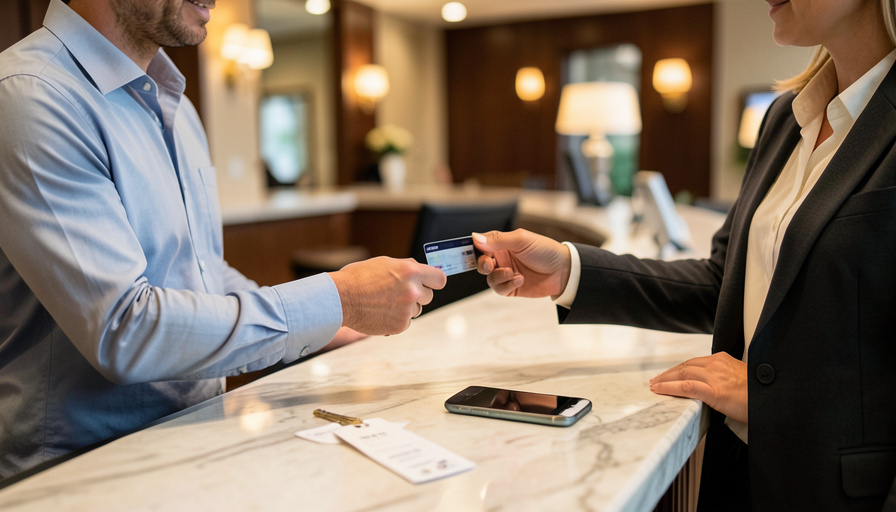
12 Debit Card Hotel Holds That Tie Up Your Cash
You booked a modest room at a good rate, handed over your debit card at check-in, and then watched a few hundred dollars vanish from your checking account, far more than one night should cost. That is a hotel hold, and on a debit card it takes real money out of your balance rather than nudging a credit line. Worse, certain bookings quietly make the hold much bigger than the rate you paid. Here are twelve scenarios that trigger a larger hold, so the next time your available balance drops, you know exactly why.
The point here is not to scare you off using a debit card on a trip, but to help you see the hold coming and plan your cash around it. A hold is temporary and refundable, yet if it freezes money you were counting on for gas, food, or the rest of the trip, “temporary” is little comfort. Knowing which situations balloon the hold lets you either avoid them or leave enough of a buffer in the account.
The Short Version
A hotel places an authorization hold at check-in for its estimate of the room plus incidentals, and on a debit card that freezes real cash in your checking account until it clears, which can take several business days. The scenarios that make the hold bigger are paying by debit at all, resort-fee properties, hotels with heavy on-site spending, longer stays, prepaid third-party bookings that still hold incidentals, luxury hotels, arriving with no loyalty status, international hotels with a currency buffer, extending your stay mid-trip, a separate refundable damage deposit, booking multiple rooms on one card, and piling on extras like parking or an early check-in. Ask the front desk what it will authorize, and keep a buffer in the account.
Why a debit card means a bigger hit at the front desk
When you check in, the hotel does not simply charge the room. It places an authorization hold for its estimate of the room plus incidentals such as taxes, resort fees, and anything you might charge to the room. On a credit card that hold just lowers your available credit, but on a debit card it removes real money from your checking account, so as the FTC explains, a hotel that places a block on your card leaves you with less to use until it clears. The release is not instant either. Authorization holds commonly take a few business days to drop off, and hotel, rental, and international charges can take longer, as consumer guides on how card holds work point out. A big hold can leave you short even after you have checked out and paid the real bill. The scenarios below are the ones that make the hotel authorize more.
This is general information, not financial advice. Hold amounts, whether a property accepts debit at all, and how long a released hold takes to clear vary by hotel, brand, and bank. Ask the front desk what it will authorize before you hand over a card, confirm release times with your bank, and consider using a credit card for incidentals if a large hold would leave you short.
The 12 scenarios that trigger a bigger hold
- Paying with a debit card at all. A debit hold pulls actual money out of your checking balance rather than tapping a credit line, and hotels often authorize a higher incidental cushion on debit because it carries more risk for them. The same stay can freeze noticeably more cash on debit than it would on credit.
- Staying somewhere with resort or amenity fees. Daily resort fees, facility charges, and destination fees get folded into the hold estimate, so the amount authorized climbs well above the nightly rate you thought you booked. Resort-heavy destinations are common culprits.
- Booking a hotel with heavy on-site spending. All-inclusive resorts and properties with minibars, room service, spas, and restaurants expect you to charge things to the room, so they hold a larger buffer up front to cover whatever incidentals you might run up.
- Booking a longer stay. The hold scales with the number of nights, and many hotels add a per-night incidental amount on top, so a week-long booking can freeze several times what a single night would. The longer the stay, the larger the cushion.
- Prepaying through a third-party site. Even when you paid for the room in advance through an online travel agency, the front desk still places an incidentals hold at check-in. Guests who assumed the whole trip was already covered are often caught off guard by this one.
- Checking into a luxury or high-rate hotel. A higher nightly rate and a bigger incidental cushion combine into a larger authorization, so an upscale property holds more even for the same length of stay as a budget one. Premium rooms mean premium holds.
- Arriving with no loyalty status. Some hotels reduce or waive the incidental hold for known, loyal guests with a history at the brand. Show up as a first-timer with no status and you will usually face the full hold instead of a trimmed one.
- Staying at an international hotel. A hold in a foreign currency comes with a conversion buffer and can shift with exchange rates, and your bank may tack on a foreign-transaction fee. The amount frozen is both larger and harder to predict than a domestic hold.
- Extending or adding nights mid-stay. Tacking on extra nights triggers a fresh authorization, which can stack on top of the original hold before that one releases. For a short window, you have the sum of both holds tied up at once.
- Facing a separate refundable damage deposit. Some resorts and vacation rentals place a distinct refundable deposit for potential damage, on top of the room and incidentals hold. That doubles up on frozen funds, and the damage portion can take longest to come back.
- Putting multiple rooms on one card. If you cover a group’s rooms with a single card, the incidental hold multiplies per room, so three rooms can freeze three times the cushion. Booking friends’ or family’s rooms on your card ties up a surprising amount.
- Adding extras at check-in. Early check-in, parking, a pet fee, a rollaway bed, or additional guests each raise the amount the hotel authorizes. A stack of small add-ons can push the hold well past the number you had budgeted for.

How to keep your cash free on a hotel stay
A few habits keep a hold from stranding your money. If you have one, use a credit card for the room and incidentals, since the hold only touches your credit line and never your actual cash, then pay it off. If you must use debit, call or ask the front desk what it will authorize before you hand over the card, so the number does not surprise you, and keep a comfortable buffer in the account beyond the trip’s real cost. Watch out for prepaid bookings, since the room being paid does not remove the incidentals hold, and be ready for it. On checkout, ask the hotel to release the hold and get confirmation, then check with your bank on how many business days it takes to reappear. For international stays, expect a currency buffer and possible fees, and plan accordingly. None of this makes the hold vanish, but it keeps the frozen funds from catching you out mid-trip.
Main Takeaways
- A hotel hold covers the room plus estimated incidentals, and on a debit card it freezes real money in your checking account until it clears.
- Released holds can take several business days, and hotel and international charges can take longer, so a big hold can leave you short after checkout.
- Resort fees, long stays, luxury hotels, and heavy on-site spending all push the authorized amount well above the room rate.
- Prepaid third-party bookings still incur an incidentals hold, and damage deposits, extra rooms, and add-ons stack more on top.
- Use a credit card for incidentals if you can, ask the front desk what it will authorize, and keep a cash buffer in the account.
For more travel-money and trip-planning guides, browse the DelightfulBlogs Travel section, or see our guide to hotel Wi-Fi captive portal mistakes.
Frequently Asked Questions
How much will a hotel hold on my debit card?
It varies, but expect the room rate plus a cushion for incidentals like taxes, resort fees, and anything you might charge to the room, often tens of dollars per night on top of the nightly rate. Luxury hotels, resorts, and longer stays hold more. The only reliable way to know is to ask the front desk what it will authorize before you hand over the card.
How long does a hotel hold take to release on a debit card?
Usually a few business days after checkout, though it can take longer for hotels and especially for international stays. The hotel releasing the hold and your bank actually freeing the funds are two separate steps, so ask for confirmation of the release at checkout, then check with your bank on its timeline. Until it clears, that money stays unavailable to spend.
Is it better to use a credit card or debit card at a hotel?
A credit card is generally easier for holds, because the authorization only reduces your available credit rather than removing real cash from your account, and you pay just the final bill. Debit works, but the hold ties up money you may need for the rest of the trip. If you have a credit card, using it for the room and incidentals avoids the cash crunch a debit hold can cause.
Do I still get a hold if I prepaid my room online?
Usually yes. Even when you prepaid the room through a booking site, the hotel still places an incidentals hold at check-in to cover things like taxes, resort fees, and charges to the room. The room being paid does not remove that hold, so budget for it and keep enough in your account, even on a trip you thought was fully covered.
Can I ask the hotel not to place a hold?
You can ask, and some hotels will reduce the incidental hold for loyalty members or if you decline charging privileges, but most will place some hold as a condition of check-in. What you can control is knowing the amount in advance and choosing your card. Ask what will be authorized, and if the figure would leave you short on debit, use a credit card instead.
The Bottom Line
A hotel hold is not a scam or a hidden fee, just the property protecting itself against a bill you might run up, but on a debit card it can freeze real money you were counting on, sometimes for days after you have already paid. The twelve scenarios here all push that number higher, from resort fees and long stays to prepaid rooms and stacked deposits. You cannot always avoid the hold, but you can see it coming: ask what will be authorized, favor a credit card for incidentals, and keep a buffer in your account. Do that, and the only surprise on your trip is a good one.