
Anak Krakatau’s Eruption Disrupts Sunda Strait Air Travel
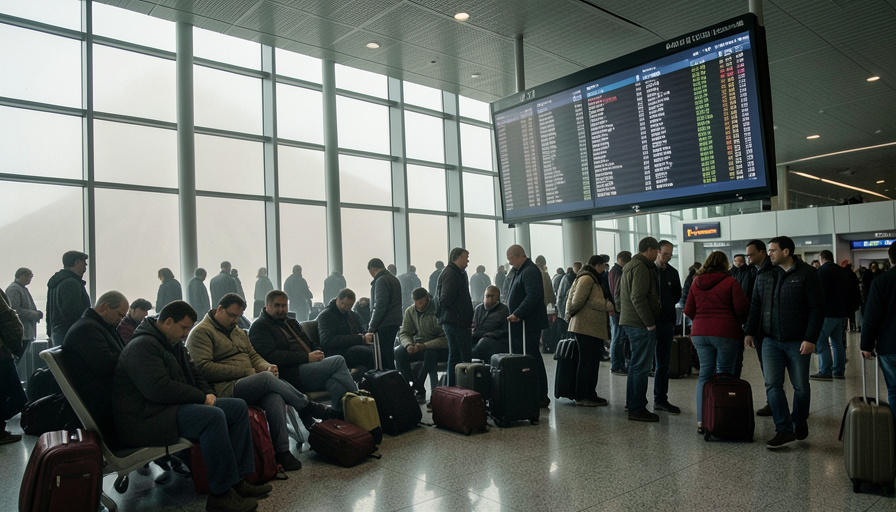
The most visible damage from Anak Krakatau’s eruption was not on the ground. It was in the departure halls, where a quarter of a million travelers got stuck.
When a volcano erupts in the middle of one of the world’s busiest air corridors, the first casualty is the flight schedule. Anak Krakatau’s September eruption did not kill anyone, but it grounded more than 1,500 flights and stranded a quarter of a million travelers across Java and Sumatra. To understand why Indonesia reacts this fast, you have to look back to December 2018.
Bottom Line First
Anak Krakatau’s 25-hour eruption in early September 2026 closed eight airports around the Sunda Strait, including Jakarta’s Soekarno-Hatta, Southeast Asia’s second-busiest. Roughly 1,558 flights were delayed or cancelled and more than 250,000 passengers were stranded, though no one was killed. The aggressive response is shaped by memory: in December 2018, a flank collapse on this same volcano triggered a tsunami that killed at least 437 people along the strait, with almost no warning.
Table of Contents
How the Eruption Grounded the Sunda Strait
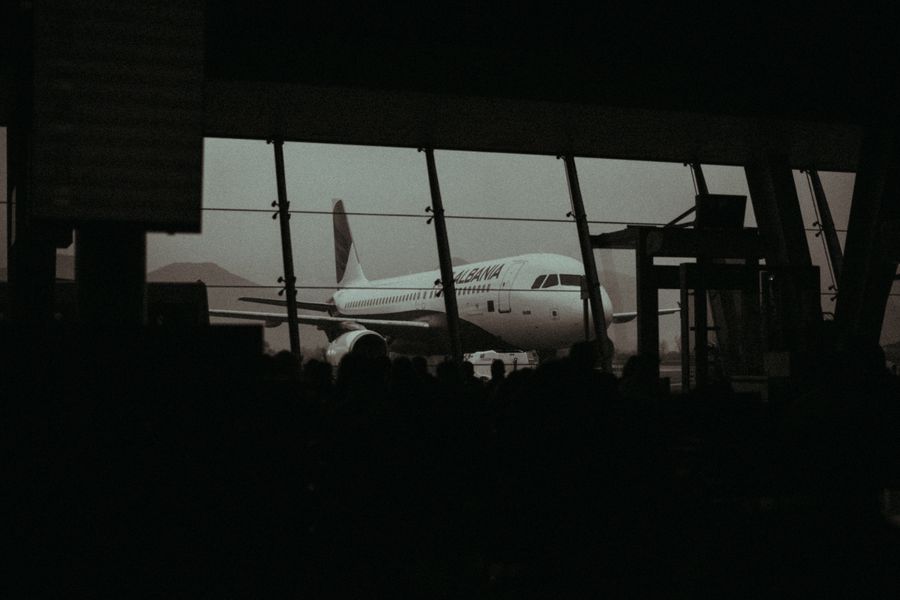
The eruption began at 23:07 on a Friday night and ran for 25 hours, throwing ash to around 15 kilometers. That is high enough to threaten aircraft, so authorities shut eight airports on September 6, including both of Jakarta’s, Soekarno-Hatta and Halim, plus airports at Lampung, Bandung, and several smaller sites. By the afternoon of September 7, six were still closed.
The scale of the knock-on was large. Indonesia’s transport ministry counted more than 250,000 passengers who could not travel, and roughly 1,558 flights were delayed or cancelled across the affected airports, as Al Jazeera reported. Because Soekarno-Hatta is the second-busiest airport in Southeast Asia, the disruption rippled well beyond Indonesia.
Why Volcanic Ash Closes Airports
Volcanic ash is not soft grey powder in the way the name suggests. It is tiny fragments of rock and glass, and jet engines are exactly the wrong place for it. Ash sucked into an engine melts in the combustion chamber, then resolidifies on cooler parts, which can choke airflow and stall the engine mid-flight.
Ash also sandblasts windshields to a frosted blur and clogs the sensors that tell pilots their speed and altitude. There is no safe way to fly a passenger jet through a dense ash cloud, so when a plume drifts over an airport, closing it is the only responsible call. That is why the response looks dramatic even when the volcano itself is kilometers away.
The 2018 Tsunami That Still Shapes the Response
The reason Indonesia treats Anak Krakatau with such urgency is not the ash. It is the water. On December 22, 2018, a chunk of the volcano’s southwestern flank slid into the sea during an eruption and pushed up a tsunami that hit the Sunda Strait coast with almost no warning, killing at least 437 people and injuring tens of thousands, as documented in research published in Science Advances.
What made 2018 so deadly is that a volcano-collapse tsunami does not announce itself the way an earthquake does. Standard tsunami warning systems watch for seismic shaking, and a landslide into the sea can slip past them. That gap is the whole reason monitors now scrutinize any sign of slope instability or unusual sea-surface activity so closely. The steaming water people filmed this month is exactly the kind of shallow, energetic signal that gets logged and studied against that history.
If You’re Traveling Through the Region
- Check status at the source. Confirm your flight directly with the airline and airport rather than only a booking app, since conditions change hour to hour.
- Know your rebooking rights. Ash closures are outside an airline’s control, so rebooking is usually free even when a cash refund is not automatic.
- Lean on travel insurance. Policies that cover natural-disaster disruption can pick up extra hotel nights and missed connections.
- Follow official advisories. Indonesia’s disaster agency and your own country’s travel advisory are better guides than social clips.
- Take coastal warnings seriously. Near the shoreline, strong or long shaking is a cue to move to higher ground without waiting for an alert.
At a Glance
- Eight Sunda Strait airports closed after the September eruption, including both Jakarta airports.
- Around 1,558 flights were disrupted and more than 250,000 passengers stranded.
- No one died in the 2026 eruption itself.
- Volcanic ash grounds planes because it can stall engines and blind sensors.
- The 2018 flank-collapse tsunami killed at least 437 people and drives today’s caution.
For more travel and safety coverage, browse the DelightfulBlogs Travel section, or follow the wider story through our News desk.
Frequently Asked Questions
How many flights were affected by the Anak Krakatau eruption?
About 1,558 flights were delayed or cancelled across eight airports, and Indonesia’s transport ministry counted more than 250,000 stranded passengers during the early-September 2026 eruption.
Which airports closed?
Eight closed on September 6, including Jakarta’s Soekarno-Hatta and Halim, plus airports at Lampung, Bandung, and several smaller sites. Six were still shut the following afternoon.
Why does volcanic ash ground planes?
Ash is made of rock and glass fragments that melt inside jet engines and can stall them, while also sandblasting windshields and clogging flight sensors. There is no safe way to fly through a dense ash cloud.
Did the 2026 eruption cause a tsunami?
No. The September 2026 eruption disrupted travel and produced heavy ash but did not trigger a tsunami, and no deaths were reported from the eruption itself.
What happened in the 2018 Anak Krakatau tsunami?
On December 22, 2018, part of the volcano’s flank collapsed into the sea during an eruption and generated a tsunami that struck the Sunda Strait with little warning, killing at least 437 people and injuring tens of thousands.
What This Means
Anak Krakatau’s September eruption was, by the grim standards of this volcano, a lucky one: enormous disruption, no deaths. The grounded flights and packed terminals were the price of caution, and given what happened in 2018, that caution is the point. The quiet lesson sitting under the travel chaos is that the strait’s real danger has never been the ash people can see. It is the wave that, last time, arrived before anyone knew to run.