
Caring for a Cat After Surgery: What to Expect
Linny the cat came home from surgery and, within a day, was pottering around like nothing had happened. That is the goal, and getting there takes a calm, careful recovery.
Linny, the orange cat who survived being shot with an air rifle and a delicate operation to remove the pellet, gave a lot of people a happy ending to follow. His story is also a useful prompt, because most cat owners will face a surgery of some kind eventually, whether an emergency or a routine spay or neuter. Knowing what recovery looks like, and being ready before a crisis, makes the whole thing less frightening.
At a Glance
When a cat comes home after surgery, the first week or two is about a calm, confined recovery. That means a quiet, warm space, restricted activity for roughly a week to ten days, no changes to their diet, keeping the incision clean, stopping your cat from licking the wound, and giving any medication exactly as prescribed. Just as important is watching for warning signs and knowing when to call the vet. The other lesson from a story like Linny’s is preparation: knowing your emergency vet and having the basics ready before you ever need them. Whatever you read here, your own vet’s instructions always come first.
Table of Contents
What Post-Surgery Recovery Looks Like
The core of home recovery is rest in a controlled space. Set up a quiet, dimly lit room that stays comfortably warm, roughly between 68 and 75 degrees Fahrenheit, with a soft, clean bed and no drafts. Most cats want to move around soon after surgery, so the hard part is limiting them. General guidance is to restrict activity for about a week to ten days, keeping your cat indoors and preventing jumping, running, and climbing that could strain the wound, as the ASPCA outlines in its after-surgery instructions.
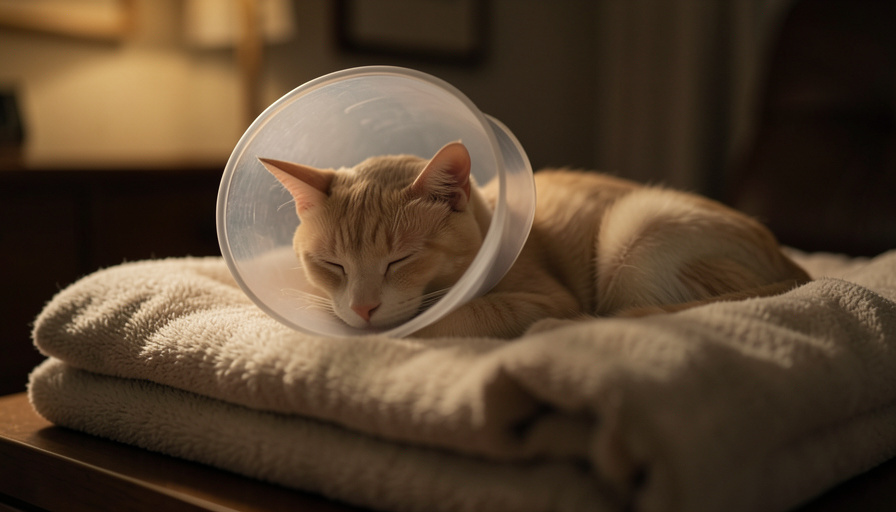
Three more essentials round it out. Keep the recovery cone or collar on so your cat cannot lick or chew the incision, which is one of the most common causes of complications. Give any medication exactly as prescribed, and do not add painkillers of your own, since many human medications are toxic to cats. And do not change their diet during recovery, because a sudden change can mask the signs of a problem, a point echoed in veterinary post-operative instructions for cats.
Warning Signs to Watch For
Part of good care is knowing what is normal and what is not. Some grogginess in the first day is expected. What is not expected, and warrants a call to your vet, includes lethargy or weakness, loss of appetite or reduced drinking, shivering, or an unsteady walk that persists beyond the first 24 hours. Check the incision daily for redness, swelling, discharge, or any opening.
Some signs mean call right away, not later. Vomiting, diarrhea, labored breathing, pale gums, or active bleeding from the wound are reasons to contact your vet or an emergency clinic immediately. When something feels off, the safe move is always to phone the professionals rather than wait and see.
The Preparedness Lesson
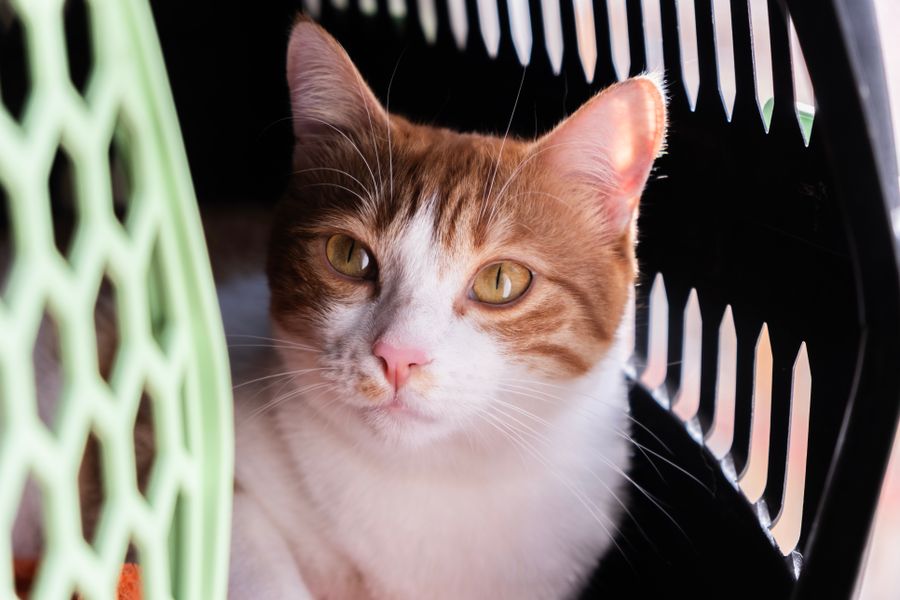
Linny’s outcome owed a lot to fast action, and that is the part worth borrowing. Being ready before an emergency turns panic into a plan. A few things make the difference: know the location and number of your nearest 24-hour emergency vet, keep your regular vet’s number somewhere obvious, and have a pet carrier accessible rather than buried in a closet. Make sure your cat is microchipped with up-to-date details, keep a simple pet first-aid kit at home, and have a rough plan for costs, whether that is insurance or a small emergency fund.
One caution matters most here: for a serious injury, do not try to treat it yourself. Basic first aid to stabilize and safely transport your pet is useful, but the goal is always to get to a vet quickly, not to play surgeon at home.
How to Support Recovery Day to Day
Beyond the rules, recovery goes better with a little patience. Keep the environment calm, with other pets and excitable children given their own space away from the patient. Stick to the routine your vet set, keep every follow-up and suture-removal appointment, and resist the urge to let your cat “get back to normal” early just because they seem fine. Cats are good at hiding discomfort, so the quiet, boring version of recovery is usually the one that heals cleanly.
This article is general information, not veterinary advice. Every cat and surgery is different, so always follow the specific discharge instructions from your own veterinarian, and contact them or an emergency clinic promptly with any concern.
Main Takeaways
- Set up a quiet, warm, confined recovery space and restrict activity for about a week to ten days.
- Keep the cone on, give medication exactly as prescribed, and do not change your cat’s diet.
- Watch for lethargy, appetite loss, shivering, or an unsteady gait, and check the incision daily.
- Call the vet immediately for vomiting, diarrhea, labored breathing, pale gums, or bleeding.
- Prepare in advance: know your emergency vet, keep a carrier and first-aid kit ready, and follow your vet’s instructions above all.
For more on pet and family wellbeing, browse the DelightfulBlogs Health & Fitness section, or see related stories in our Family & Personal section.
Frequently Asked Questions
How long does a cat need to rest after surgery?
For most procedures, activity should be restricted for roughly a week to ten days, with your cat kept indoors and prevented from jumping or running. Always follow your vet’s specific timeline for the surgery involved.
Should my cat wear a cone after surgery?
Usually, yes. A recovery cone or collar stops your cat from licking or chewing the incision, which is a common cause of complications. Keep it on for as long as your vet advises.
What are warning signs after cat surgery?
Watch for lethargy, loss of appetite, reduced drinking, shivering, or an unsteady gait beyond 24 hours. Vomiting, diarrhea, labored breathing, pale gums, or bleeding call for immediate veterinary help.
Can I change my cat’s food during recovery?
No. Keep their normal diet and avoid people food, since a diet change can hide the signs of a post-surgical problem. Ask your vet before making any change.
How can I be ready for a pet emergency?
Know your nearest 24-hour emergency vet, keep your regular vet’s number handy, have a carrier accessible, microchip your cat, keep a pet first-aid kit, and plan ahead for costs.
Practical Takeaway
The happiest version of Linny’s story is the least dramatic one: a cat home, resting, healing on schedule. That is what good post-surgery care buys, a calm space, close attention, and the discipline to keep things boring while the body does its work. Pair that with a little preparation, so the next emergency finds you with a plan instead of panic, and you have given your cat the best possible odds. And when in doubt, the shortest sentence in pet care still holds: call your vet.