

Why Some Copy-Protected CDs Won’t Play Today
One Reddit post summed it up perfectly: “copy protection became listening protection.” Here’s how the music industry accidentally broke some of its own discs.
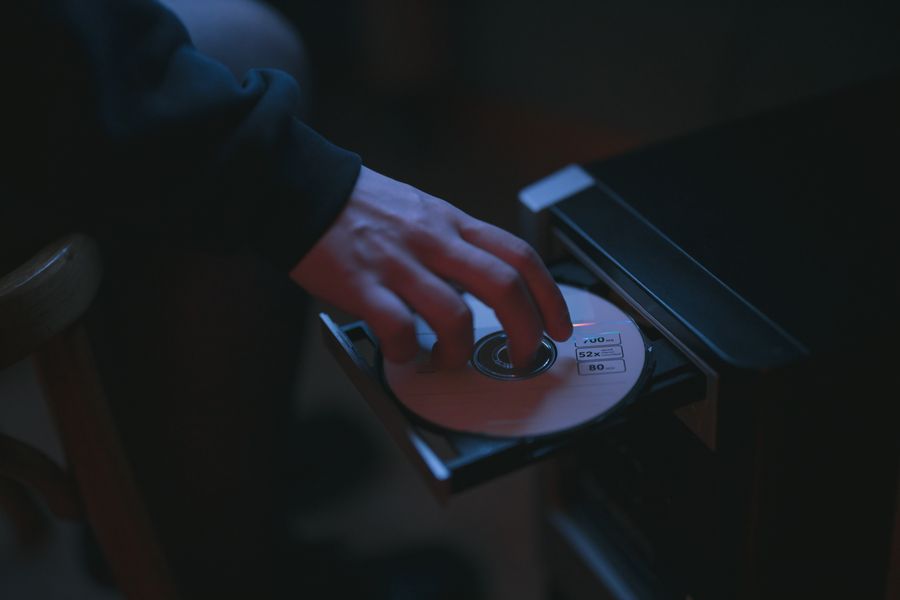
Pull an old album off the shelf, drop it into a laptop, and sometimes nothing happens. No tracks, no rip, maybe an error. The disc is not scratched and your drive is fine. What you have run into is a strange piece of history: a CD that was deliberately engineered to be difficult, and has aged into being nearly unplayable.
The Short Version
In the early 2000s, record labels added copy protection to some audio CDs to stop people from ripping them to computers. The methods deliberately bent or broke the CD standard, and the most infamous, Sony BMG’s XCP, secretly installed rootkit software on Windows PCs, setting off a major scandal. Because these discs were built to confuse computer drives, many now fail to play or rip on modern hardware. Protection meant to stop copying has, years later, become a barrier to simply listening.
Table of Contents
What “Copy-Protected CDs” Actually Were
The backdrop was industry panic. As CD ripping and file sharing took off, labels looked for a way to sell discs that a computer could not easily copy. Their solution was to sabotage the disc on purpose, adding deliberate errors or a hidden data layer so that ordinary CD players, which use forgiving error correction, would still play the music, while the more precise drives in computers would stumble.
There was a giveaway hiding in plain sight. Because these discs broke the official audio CD specification, known as the Red Book, many of them were not allowed to carry the “Compact Disc Digital Audio” logo. In a technical sense, they were never really CDs at all, just silver discs shaped like them.
The Sony BMG Rootkit Scandal
The whole approach hit its infamous peak in 2005. Sony BMG shipped around 20 album titles with a copy-protection system called XCP that, when the disc was loaded on a Windows PC, secretly installed a rootkit, hidden software buried in the operating system to block copying. It concealed itself so thoroughly that it opened the door for other malware to hide behind it, and clumsy attempts to remove it could disable the computer’s CD drive entirely.
The fallout was severe. Security researchers and the Electronic Frontier Foundation raised the alarm about the rootkit, Microsoft moved to treat it as malicious software, and lawsuits and recalls followed, a saga later dissected in detailed accounts of the spyware scandal. A copy-protection scheme had turned a music purchase into a security risk.
Why They Fail on Modern Devices
Here is the part that catches people out today. The DRM software from that era targeted Windows XP and simply does not run on a modern operating system, so the old rootkit is not the threat it once was. But the deliberate flaws are baked into the disc itself, permanently. Modern optical drives read data cleanly and precisely, which means they hit exactly the errors the disc was designed to throw, and refuse to rip or sometimes even play it.
That is the irony captured in the viral complaint. The protection worked by exploiting the gap between a simple audio player and a computer, and today’s hardware falls on the wrong side of that gap. The disc succeeds at its old job of blocking a computer, long after anyone wanted it to.
The Lesson That Outlived the Discs
The bigger story is about who copy protection actually hurt. Determined pirates worked around these schemes quickly, while paying customers were left with discs that misbehaved, damaged their computers, or would not play in the car. The backlash helped push the music industry toward the approach it uses now, DRM-free downloads and streaming, which solved the piracy problem far better than sabotaging the product ever did.
What Matters Most
- Early-2000s copy-protected CDs deliberately broke the CD standard to stop computer ripping.
- Many were not true CDs and could not carry the official “Compact Disc Digital Audio” logo.
- Sony BMG’s XCP secretly installed a rootkit on Windows PCs, causing a major security scandal in 2005.
- The discs’ built-in flaws still trip up modern drives, so they often will not rip or play.
- The episode helped push the industry toward DRM-free downloads and streaming.
For more technology history and consumer coverage, browse the DelightfulBlogs Tech section, or read related stories in our Business section.
Frequently Asked Questions
What is a copy-protected CD?
An audio disc from roughly the early to mid 2000s that was deliberately altered to stop computers from copying it. The changes let normal CD players work while causing problems for computer drives.
What was the Sony BMG rootkit?
A copy-protection system called XCP that Sony BMG put on about 20 album titles. When played on a Windows PC, it secretly installed hidden rootkit software that blocked copying and created serious security holes.
Why won’t my old CD play or rip?
If it was a copy-protected disc, it contains deliberate errors meant to confuse computer drives. Modern drives read too precisely to ignore them, so the disc often will not rip and sometimes will not play.
Are copy-protected discs real CDs?
Technically, many are not. Because they broke the Red Book audio CD standard, they frequently could not carry the official “Compact Disc Digital Audio” logo, even though they look identical to a real CD.
Is it safe to put an old copy-protected CD in my computer?
The old DRM software targeted Windows XP and will not run on a modern system, so the rootkit itself is not a live threat. Still, avoid running any installer the disc tries to launch, and know that it may simply refuse to rip.
What This Means
Copy-protected CDs are a small, almost forgotten cautionary tale, and a sharp one. In trying to control how people used what they had bought, the industry shipped a product that fought its own customers and, decades later, fights their hardware too. The discs that were hardest to copy have become the hardest to hear, which is about the clearest verdict a technology can deliver on itself.