
What the BRICS New Delhi Summit Actually Agreed On
The 18th BRICS summit wrapped in New Delhi with a sprawling declaration and the usual headlines about a “new currency.” Here is what the leaders actually agreed on trade and money, and what they did not.
Every BRICS summit produces two versions of itself: the one in the official declaration and the one in viral posts claiming the dollar is about to be replaced. The 2026 meeting in New Delhi was no different. The real outcome is more incremental and more interesting than the hype, and it centers on how member countries pay each other, not on a single new banknote.
Quick Answer
The 18th BRICS summit, held at Bharat Mandapam in New Delhi on September 12 and 13, 2026, under India’s chairship, ended with the 11-member bloc adopting a 140-point New Delhi Declaration. On money, the focus was practical: making cross-border payment systems work together and expanding trade in members’ own currencies. There is still no single BRICS currency, and the summit did not create one. The broader declaration also pushed for reform of the IMF and World Bank, cooperation on critical minerals and technology, and more resilient supply chains.
What BRICS is now
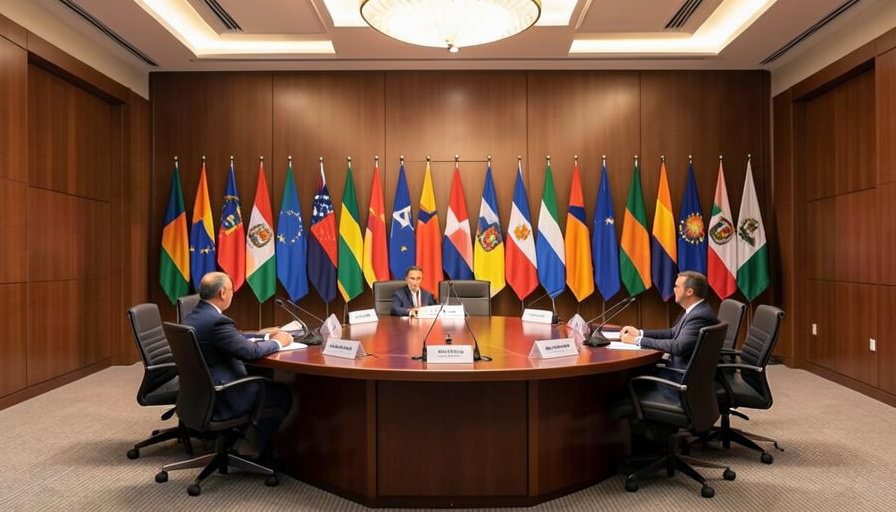
BRICS is no longer just Brazil, Russia, India, China, and South Africa. After recent expansion it is an 11-member group, and India chaired it for 2026, hosting more than 350 meetings across the year before leaders gathered in New Delhi. The summit itself ran two days at Bharat Mandapam and closed with the New Delhi Declaration, adopted by consensus under the theme “Building for Resilience, Innovation, Cooperation and Sustainability.” That consensus part matters, because a bloc this size and this diverse agrees only on carefully worded common ground.
The “currency” question, answered plainly
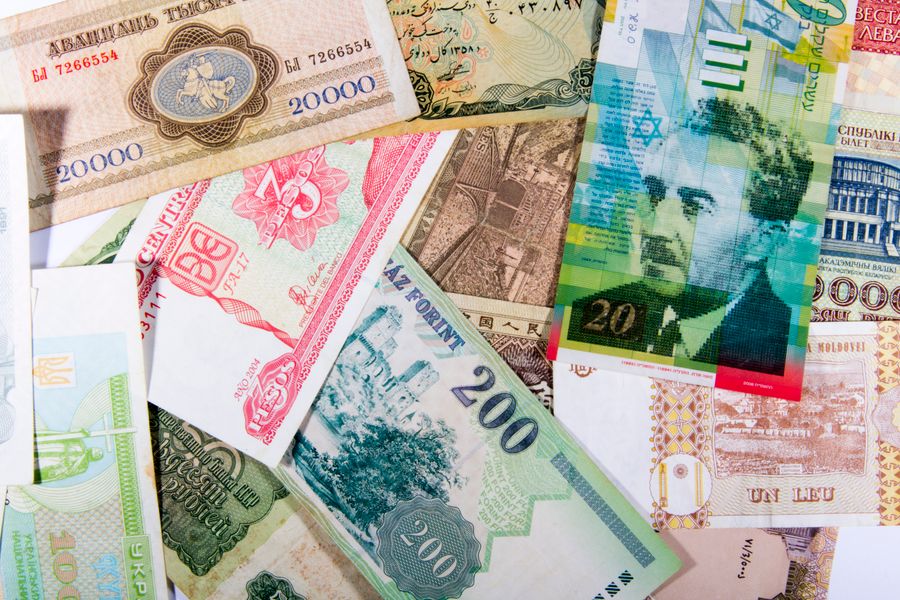
This is where the hype and the reality diverge most. BRICS did not launch a shared currency, and the New Delhi Declaration did not announce one. What the bloc is actually working on is narrower and more achievable: connecting members’ cross-border payment systems so they can settle transactions directly, and doing more trade in their own national currencies rather than routing everything through the US dollar.
The distinction is not a technicality. A single BRICS currency would require shared monetary policy across countries with wildly different economies, which is politically and economically enormous. Payment interoperability and local-currency trade, by contrast, are things members can build piece by piece without giving up control of their own money. When you see “BRICS currency” headlines, this quieter plumbing work is almost always what is underneath.
What else was in the declaration
Trade and payments got the attention, but the 140-point declaration ranged much wider. The recurring theme was reform of the institutions that run the global economy. Leaders called for changes to IMF quotas and fairer representation at the World Bank, arguing that the current setup underweights developing economies. Beyond finance, the document covered cooperation on critical minerals, technology and artificial intelligence, health, and more resilient and transparent supply chains, and it urged diplomacy and restraint on the conflicts dominating global politics. India used its chairship to steer BRICS toward these areas, positioning the bloc as a voice for the Global South rather than only an economic club.
What it means, and what it does not
Here is a measured read. This summit was not the moment the dollar fell, and anyone selling it that way is overstating a slow, consensus-bound process. But it is also not nothing. Incremental steps on payment systems and local-currency trade genuinely reduce how much some countries depend on the dollar over time, and institutional-reform demands from an 11-member bloc are a real diplomatic signal even when they are not binding. The honest summary is that BRICS is building infrastructure and bargaining power patiently, and headlines that need it to be a dramatic overnight rupture keep misreading it.
At a Glance
- The 18th BRICS summit was held in New Delhi on September 12 and 13, 2026, under India’s chairship.
- The 11-member bloc adopted the 140-point New Delhi Declaration by consensus.
- On money, the focus was cross-border payment interoperability and local-currency trade, not a single BRICS currency.
- The declaration also pushed IMF and World Bank reform, critical minerals, technology, and supply-chain resilience.
- The changes are incremental, not an overnight challenge to the dollar.
For more world and economy coverage, follow the DelightfulBlogs News desk, or browse our Business section.
Frequently Asked Questions
Did BRICS launch a new currency at the New Delhi summit?
No. The summit did not create a single BRICS currency. The bloc is focused on connecting cross-border payment systems and expanding trade in members’ own national currencies instead.
What is the New Delhi Declaration?
It is the 140-point statement adopted by consensus at the 2026 BRICS summit, covering trade, technology, critical minerals, global-governance reform, and calls for diplomacy on current conflicts.
Who is in BRICS now?
Following expansion, BRICS is an 11-member group built around its original members Brazil, Russia, India, China, and South Africa, plus added members. India chaired the bloc for 2026.
Does BRICS threaten the US dollar?
Not immediately. Local-currency trade and payment interoperability can slowly reduce dollar dependence for some members, but this is a gradual process, not a sudden replacement of the dollar.
Why does India’s role matter here?
As 2026 chair, India set the agenda, hosting more than 350 meetings and steering BRICS toward technology, critical minerals, health, and Global South representation alongside trade and finance.
The Bottom Line
The New Delhi summit is best understood as plumbing, not fireworks. BRICS spent two days agreeing, by consensus, on ways to trade and pay with a little less reliance on the dollar and a little more say in global institutions, then wrote it into a long declaration. That is a real shift, but a patient one. The countries in the room are playing a long game, and the loudest headlines about it tend to be the least accurate.