
Chicago’s Flooding Videos: Why It Happens and What Helps
A viral video accused Chicago of flooding people on purpose. The real story is less dramatic, and a lot more useful to understand.
After a big storm, the clips arrive on schedule: flooded basements, water pouring over curbs, a frustrated resident asking how this keeps happening. One recent video went viral by suggesting the city lets certain areas flood deliberately. The frustration is completely understandable, and the flooding is real. The cause, though, is an aging pipe system meeting a changing climate, and knowing that points to what actually helps.
The Short Version
When storms hit Chicago, videos of flooded basements and streets spread fast, sometimes with the claim that the city floods some areas on purpose. The truth is less sinister: Chicago runs a roughly century-old combined sewer system, where stormwater and sewage travel through the same pipes, and it can be overwhelmed by as little as two-thirds of an inch of rain in an hour. Climate change is delivering more intense, localized downpours than that system was built to handle. Big infrastructure fixes exist but are slow, so the fastest protection is often what a homeowner does at their own property.
Table of Contents
What the Viral Videos Got Right, and Wrong
The videos get the important part right: the flooding is real, it recurs, and it does serious damage to homes and businesses. Coverage of the viral flooding videos and the city’s response captured genuine, repeated frustration from residents whose basements fill every time it pours.
Where the framing goes wrong is the idea that anyone is opening a valve to flood a neighborhood on purpose. What is actually happening is a capacity problem, an old system that simply cannot swallow the amount of water modern storms are dropping. That distinction matters, because a conspiracy has no fix, while an infrastructure limit has several.
Why Chicago Floods in Heavy Rain
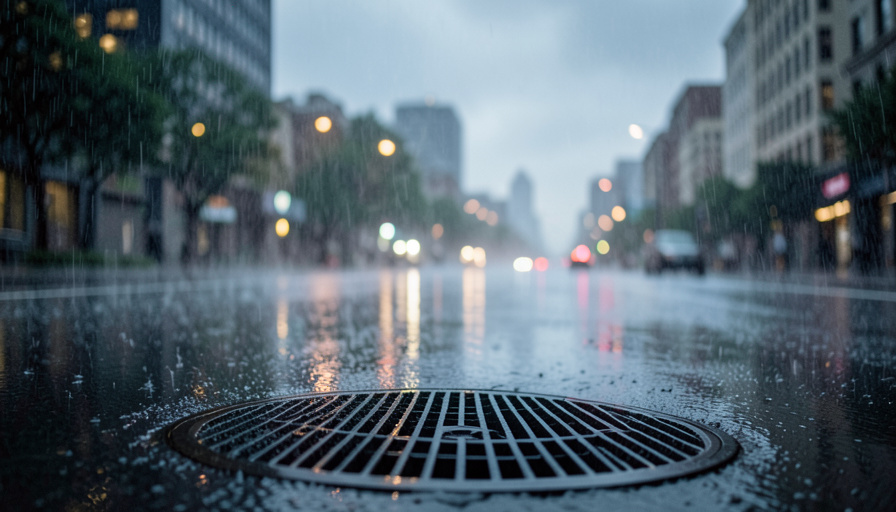
The root cause is the type of sewer system. Much of Chicago uses a combined sewer, roughly a century old, that carries both stormwater and sewage in the same pipes. It works fine in ordinary weather, but it can start to surcharge after as little as two-thirds of an inch of rain in a single hour. When the mains fill, the excess pushes backward into the lowest openings it can find, which are often basement drains.
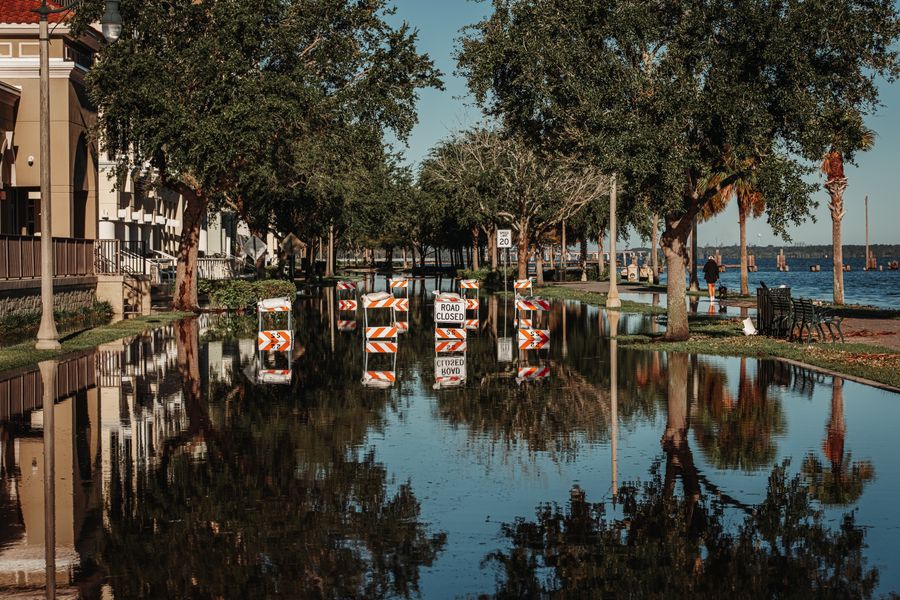
Climate change has sharpened the problem. Storms increasingly arrive as intense, localized cloudbursts that can drop two inches or more on a single neighborhood in an hour, far beyond what older infrastructure was designed for. The regional agency that manages this, the Metropolitan Water Reclamation District, runs the massive Deep Tunnel system to capture overflow, and it explains the basics in its guide to understanding your sewer.
What the City Can and Can’t Quickly Do
Large-scale fixes are real but slow. Projects like Deep Tunnel and sewer upgrades reduce pressure on the system, yet a century of pipes cannot be re-engineered in a season, and intense storms will still occasionally outpace them. The city does run assistance efforts, including a Basement Flooding Partnership, with guidance available through the City of Chicago. The honest picture is that structural relief is coming gradually, not overnight.
What Homeowners Can Actually Do
This is where individual action makes the biggest difference. A backwater valve, a one-way check valve installed on your sewer line, blocks water from pushing back into the house during a surcharge, and an overhead sewer conversion is the more expensive but more permanent fix that reroutes drains above the backup level. Both are jobs for a licensed plumber. Beyond plumbing, disconnecting downspouts to route rain into a garden or rain barrel eases the load, and conserving water during a storm, holding off on laundry, dishwashers, and long showers, keeps household wastewater out of an already-full system. When flooding happens, report it and check the city’s programs for help.
This article is general information, not professional or financial advice. Flood-prevention plumbing should be assessed and installed by a licensed professional, and specific programs and eligibility can change, so confirm details with the city or a qualified contractor.
Key Takeaways
- The viral videos are right that Chicago flooding is real and damaging, but wrong that it is deliberate.
- The cause is a roughly century-old combined sewer system overwhelmed by intense storms.
- It can surcharge after as little as two-thirds of an inch of rain in an hour, pushing water into basements.
- Big fixes like Deep Tunnel help but are slow, so homeowner measures matter most in the near term.
- Backwater valves, overhead sewer conversions, downspout changes, and conserving water during storms all help.
For more city and community coverage, follow the DelightfulBlogs News desk, or see practical guides in our Home Improvement section.
Frequently Asked Questions
Does Chicago flood basements on purpose?
No. Despite viral claims, the flooding is a capacity problem, not a deliberate act. An old combined sewer system is overwhelmed by intense storms and backs up into the lowest drains, which are often in basements.
Why does Chicago flood so easily in storms?
Much of the city uses a roughly century-old combined sewer that carries stormwater and sewage together. It can surcharge after about two-thirds of an inch of rain in an hour, and modern cloudbursts often exceed that.
What is a combined sewer system?
A system where stormwater and sewage flow through the same pipes. It handles normal conditions well but can overflow during heavy rain, sending backups toward the lowest openings, including basement drains.
How can I protect my basement from flooding?
Options include a backwater valve or an overhead sewer conversion, both installed by a licensed plumber, plus disconnecting downspouts and conserving water during storms to reduce the load on the system.
Who do I contact about flooding in Chicago?
Report flooding to the city and look into its Basement Flooding Partnership and related programs. For prevention work, consult a licensed plumber about backwater valves or an overhead sewer conversion.
The Bottom Line
The viral videos tap into something true: a lot of Chicagoans are tired of bailing out basements every summer. The useful response is not to look for a villain but to understand the plumbing. The city is chipping away at a century-old problem slowly, and in the meantime the most reliable protection is the unglamorous kind, a check valve, a rerouted downspout, and a little restraint on the washing machine while the sky empties out.