
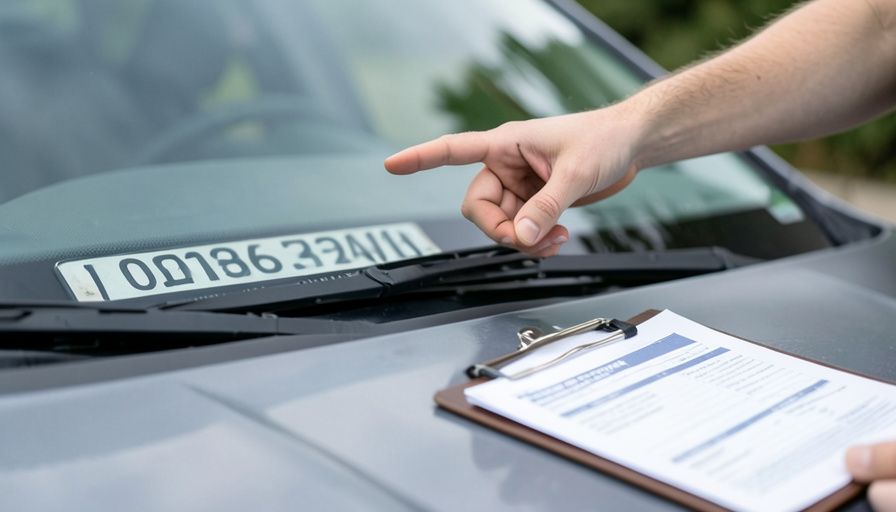
VIN Inspection on a Car You Can’t Drive: What to Do
Your new state will not register the out-of-state car until someone verifies the VIN in person. Fine, except you cannot legally drive an unregistered car to the inspection in the first place. It is a perfect little bureaucratic loop, and there are three clean ways out of it.
This trap catches a lot of people after a move or a private out-of-state purchase. The registration requires a VIN verification, the VIN verification usually happens at a DMV or inspection site, and getting there means driving a car that is not yet legal to drive, or in some cases will not run at all. The good news is that states anticipated exactly this problem, so the fix is a matter of knowing which of the three standard routes applies to you.
The Short Version
When you cannot drive the car to the VIN inspection, you have three options. First, bring the inspection to the car: in most states a law enforcement officer, and in some a state-authorized VIN inspector, can verify the VIN wherever the vehicle is parked. Second, get a temporary transit or trip permit that legally lets you drive the car to an inspection station for a short window. Third, transport the car on a trailer or flatbed to the inspection site, which sidesteps the permit issue entirely. The exact rules, and who is allowed to verify a VIN, vary significantly by state, so confirm your state’s process before you start.
Why the inspection is required at all
A VIN verification is a fraud and safety check. When a car comes from another state, the new state wants to confirm in person that the VIN on the vehicle matches the title and paperwork and that the car is not stolen or altered. That is why an out-of-state vehicle needs its VIN verified before it can be registered for the first time. The requirement is reasonable; the awkwardness is only in the logistics of getting a not-yet-legal car in front of an authorized set of eyes.
Option 1: Bring the inspection to the car
This is usually the cleanest answer for a car that cannot be driven. In most states, a sworn law enforcement officer, a state trooper, county sheriff’s deputy, or local police officer, can perform a VIN inspection, and they can often do it wherever the vehicle is sitting. A number of states also authorize a separate class of inspectors, such as certain repair shops, inspection stations, or independent certified agents, and some offer a mobile verification service for a fee. Because the inspector comes to the car, you never have to drive it anywhere. Call your local law enforcement non-emergency line or your state motor vehicle agency and ask specifically who can verify a VIN off-site.
Option 2: Get a temporary permit to drive it in
If the car actually runs and the only barrier is that it is unregistered, most states sell a short-term solution: a transit permit, trip permit, or temporary operating permit. It legally authorizes you to drive the vehicle for a limited time or a single trip, which is enough to get it to an inspection station and back. You typically buy it from the DMV or an authorized agent, and it exists precisely for situations like registering a newly acquired or newly relocated car. This is the route to take when the vehicle is drivable and you would rather bring it in than wait for someone to come out.
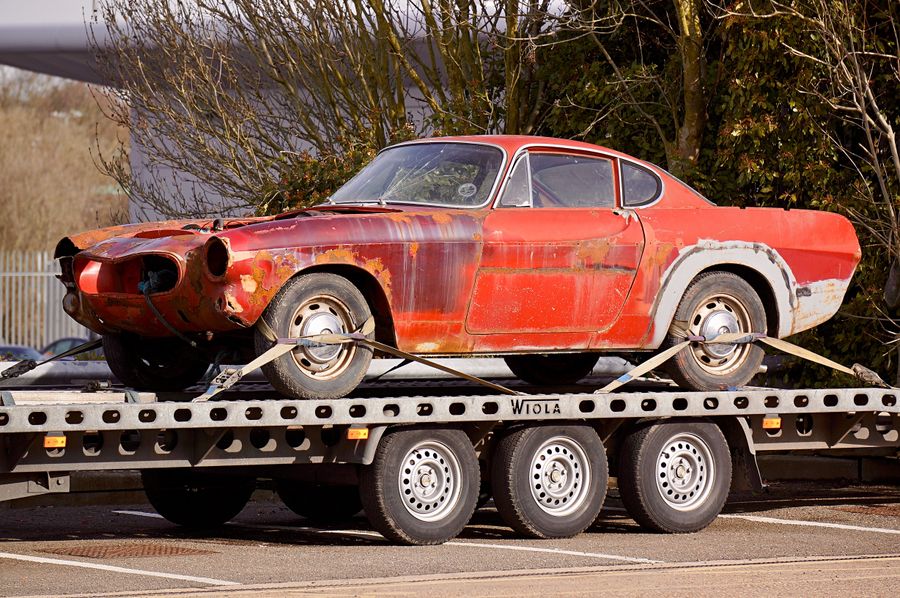
Option 3: Trailer or tow it to the inspection
If the car genuinely does not run, or you would rather not deal with permits, transport it. Loading the vehicle onto a licensed trailer or a flatbed tow truck and hauling it to the inspection site removes the driving question altogether, since the car is never operated on public roads under its own power. This is the standard move for a non-running project car or one with mechanical problems. It costs more than a permit, but it is simple and unambiguous, and for a car that cannot move on its own it is often the only realistic choice.
Who is actually allowed to verify a VIN
This is where states diverge the most, so it is the detail worth pinning down first. Depending on where you are, an acceptable VIN verifier might be a DMV employee at an office, a law enforcement officer, a licensed dealer, an emissions or safety inspection station, a certified independent inspector, or in some states a notary. A few states run scheduled VIN inspection appointments through the state patrol rather than the DMV. Because the list of authorized people is different everywhere, the first call you make should establish who your state accepts, since that determines whether Option 1 is even available to you or whether you are looking at a permit or a tow.
Main Takeaways
- An out-of-state car needs its VIN verified in person before first registration, which creates the drive-it-there catch-22.
- The cleanest fix for a non-drivable car is to have a law enforcement officer or authorized inspector verify the VIN on site.
- If the car runs, a transit or trip permit legally lets you drive it to an inspection station.
- If it does not run, trailer or flatbed it to the inspection to avoid driving it at all.
- Who can verify a VIN varies widely by state, so confirm your state’s rules before choosing a route.
For more car-ownership guides, browse the DelightfulBlogs Automotive section, or follow our News desk.
Frequently Asked Questions
Can a police officer do a VIN inspection at my house?
In most states, yes. A sworn law enforcement officer can usually perform a VIN verification, and they can often do it wherever the car is parked, which makes this the go-to option when the vehicle cannot be driven. Call your local non-emergency line to ask how to arrange it.
How do I legally drive an unregistered car to the inspection?
Buy a temporary transit or trip permit from your DMV or an authorized agent. It authorizes limited or single-trip use of the vehicle, which covers driving it to an inspection station and back. This is meant for exactly this situation with a newly acquired or relocated car.
What if the car doesn’t run at all?
Transport it on a licensed trailer or a flatbed tow truck to the inspection site. Because the car is never driven under its own power on public roads, you avoid both the registration and the permit issue. It is the standard approach for non-running vehicles.
Who is allowed to verify a VIN?
It depends on your state. Acceptable verifiers can include DMV staff, law enforcement, licensed dealers, emissions or inspection stations, certified independent inspectors, or in some places a notary. Confirm your state’s accepted list before arranging anything, since it determines your options.
Why do I even need a VIN inspection for an out-of-state car?
It is an anti-fraud and safety measure. The new state verifies in person that the VIN matches your title and that the car is not stolen or altered before registering it. It only has to be done once, when you first register the out-of-state vehicle.
The Bottom Line
The VIN-inspection catch-22 feels like a dead end and is really just a fork with three roads. If the car cannot move, get an officer or authorized inspector to come to it. If it runs, grab a transit permit and drive it in. If it is a non-runner and you would rather not deal with permits, put it on a trailer. The one universal step is the first phone call, to your state’s motor vehicle agency or local law enforcement, to confirm who can verify a VIN where you live. Five minutes on the phone turns the loop into a checklist.