
PISA 2025: What’s Actually Driving the Learning Decline
Everyone has a theory for why test scores keep falling. The 2025 PISA report is unusually specific about which theories hold up.
Ask ten people why teenagers read worse than they used to and you will get ten answers: phones, short videos, the pandemic, lazy kids, tired teachers, chatbots. The 2025 PISA report beats the average dinner-table argument because it actually measured some of these. A few suspects hold up under the data. One of them cuts against the usual optimism about technology.
Quick Answer
PISA 2025 points to four main drivers behind the learning decline: heavy screen time paired with less reading for pleasure, phone distraction in class, overreliance on AI chatbots, and a worsening teacher shortage. The clearest new signal is about attention. The share of students who read quickly and answer wrong has nearly doubled since 2018, and students who lean on AI to do their thinking score noticeably lower.
Table of Contents
Screens Are Crowding Out Reading
The headline decline this cycle was in reading, which fell to its lowest level this century across the OECD. The report ties that slide to two habits that travel together: more time on screens and less reading for pleasure.
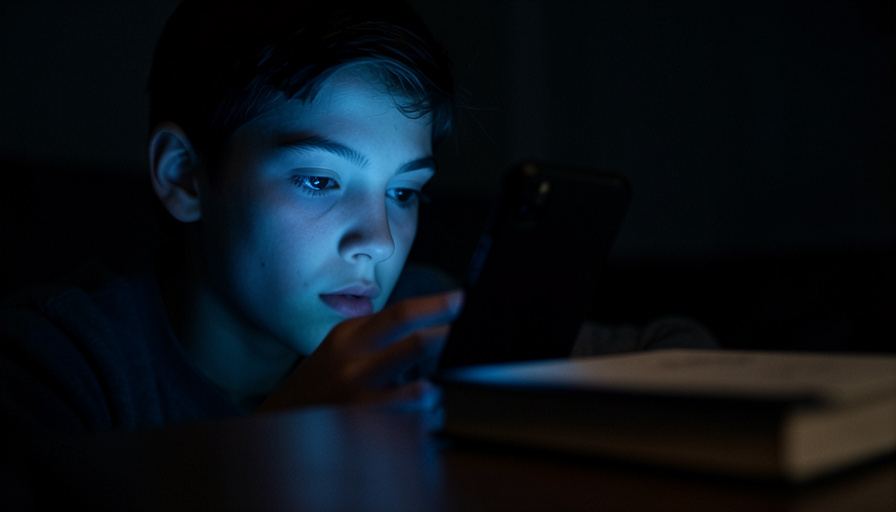
The sharpest detail is about how students read now, beyond how much. Researchers flagged a jump in what they call hasty readers, students who give a fast but wrong answer. That group grew from about 7 percent in 2018 to 11 percent in 2025, close to double in seven years, according to the OECD’s summary reported by IBTimes. Andreas Schleicher, who leads the OECD’s education work, framed it as students being “less likely to think deeply and separate signal from noise.” Skimming is a screen habit. It shows up on the test.
The AI Paradox
Here is the finding that complicates the “AI will save education” pitch. Nearly half of students now use AI chatbots regularly for schoolwork. The ones who use them to draft essays, summarize texts, and research topics scored about 20 points lower in science than students who did not lean on them that way.
Worth being careful here. The report does not say AI makes students dumber. It says using AI to skip the hard part, the reading and the thinking, tracks with weaker results. The OECD’s own line is that technology can strengthen learning “only when used purposefully and not as a substitute for attention, effort and understanding.” Jonathan Seiden, a researcher at Vanderbilt, put the same idea more bluntly, calling AI tutoring tools “not magic bullets” that can replace a good teacher.
So the tool is not the problem. The shortcut is.
Phones in the Classroom
Even when students are in the room, their attention often is not. In the 2022 round, 24 percent of students said their own devices distracted them in most or all math classes, and 22 percent were distracted by classmates’ devices. The 2025 results show the pattern holding: 23 percent reported being pulled away by other students’ devices during science lessons.
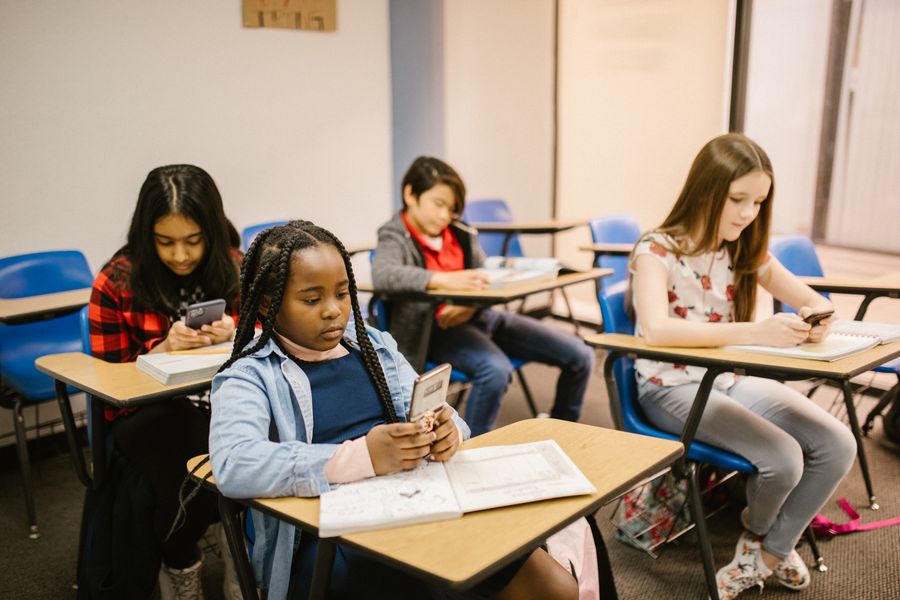
This is the driver policymakers can act on fastest, which is why phone-free schools keep coming up. The gap between systems is already wide. In the United Arab Emirates, about 90 percent of students now learn in phone-free schools, nearly double the OECD average, per local reporting on the results. Whether that translates into higher scores is the experiment now running in real time.
The Teacher Shortage Nobody Screenshots
The least viral cause is probably the most important. A screen-time chart makes a great social post. A missing physics teacher in a rural district does not, yet it shapes what happens in the classroom every day.
The union-backed group Education International tied the 2025 decline directly to a chronic teacher shortage, pointing at pay, workload, and burnout rather than a quick classroom tweak. Screens and chatbots grab the headlines because they are easy to picture. Staffing is the slow, expensive problem underneath.
At a Glance
- Reading fell to its lowest level this century, alongside more screen time and less reading for pleasure.
- “Hasty readers” who answer fast and wrong nearly doubled, from 7 percent in 2018 to 11 percent in 2025.
- Students who use AI chatbots to do the work scored about 20 points lower in science.
- Roughly a quarter of students report phone distraction in class.
- A chronic teacher shortage is a quieter but major driver.
For more on schools, study habits, and learning tools, browse the DelightfulBlogs Education section, or follow the wider story through our News desk.
Frequently Asked Questions
What is causing the PISA learning decline?
The 2025 report points to four main factors: heavy screen time with less reading for pleasure, phone distraction in class, overuse of AI chatbots to shortcut work, and a worsening teacher shortage. Most students face several of these at once.
Does screen time really lower test scores?
The data links more screen time and less pleasure reading to weaker reading results. It also found a near-doubling of “hasty readers” who answer quickly and incorrectly, a pattern researchers connect to skim-heavy screen habits.
Do AI chatbots hurt learning?
Not by default. Students who used chatbots to draft essays, summarize, and research scored about 20 points lower in science. The issue is using AI to skip the thinking, not the tool itself, which can help when used purposefully.
Do phone bans in schools help?
It is still being tested. Phone distraction is common, and systems with more phone-free schools, such as the UAE, are watching whether that lifts scores. The early logic is strong, but the score payoff is not yet proven.
Is the teacher shortage part of the problem?
Yes. Teacher groups tie the decline to chronic shortages driven by pay, workload, and burnout. It draws fewer headlines than screens or AI but affects daily classroom quality more directly.
What To Do Next
If you are a parent or teacher reading past the alarm, the useful moves are smaller than the headlines suggest. Protect stretches of uninterrupted reading, treat a chatbot like a calculator rather than a ghostwriter, and push for phones to stay out of lessons. None of that reverses a global trend on its own. But the causes PISA named are mostly habits, and habits are the one part of this a household or a classroom can actually change before the 2028 results arrive.