

Chris Rokos Joins the Billionaire Exodus From the UK
Britain’s third-biggest taxpayer is moving his tax residency to Greece. Chris Rokos’s exit is being read as more than one billionaire’s decision, because it puts a hard number on an argument the UK has been having for two years.
When someone who paid £330 million in a single year decides to leave, it is not easy to wave away as a rounding error. Chris Rokos, the hedge fund founder who ranked as one of the country’s largest individual taxpayers, is relocating his tax base from London to Athens. His move lands in the middle of a live debate about whether recent UK tax changes are quietly pushing the wealthiest residents out, and it gives both sides a concrete case to point at.
Bottom Line First
Chris Rokos, founder of Rokos Capital Management and Britain’s third-biggest taxpayer in 2025 with a £330 million tax bill, is switching his tax residency to Greece and opening an office in Athens. Greece offers wealthy newcomers a flat annual tax of €100,000 on foreign income for 15 years in exchange for a €500,000 investment, a deal that is hard to match. His departure follows the UK scrapping its centuries-old non-dom regime, and it puts him alongside other billionaires who have recently left. Whether this amounts to a damaging exodus or a manageable trickle is exactly the question his move has reopened.
What Rokos is actually doing
The move is a change of tax residency rather than a fire sale. Rokos, an Oxford-educated trader whose firm manages more than £15 billion, is shifting his personal tax base to Greece and setting up an Athens office, according to Bloomberg’s reporting on his departure. The detail that gives the story its weight is his tax standing: he was Britain’s third-largest individual taxpayer in 2025, contributing £330 million, and he had donated £190 million to Cambridge University earlier in the year. This is not a marginal resident trimming a bill. It is one of the state’s biggest single contributors choosing to route his taxes through another country.
Why Greece, specifically
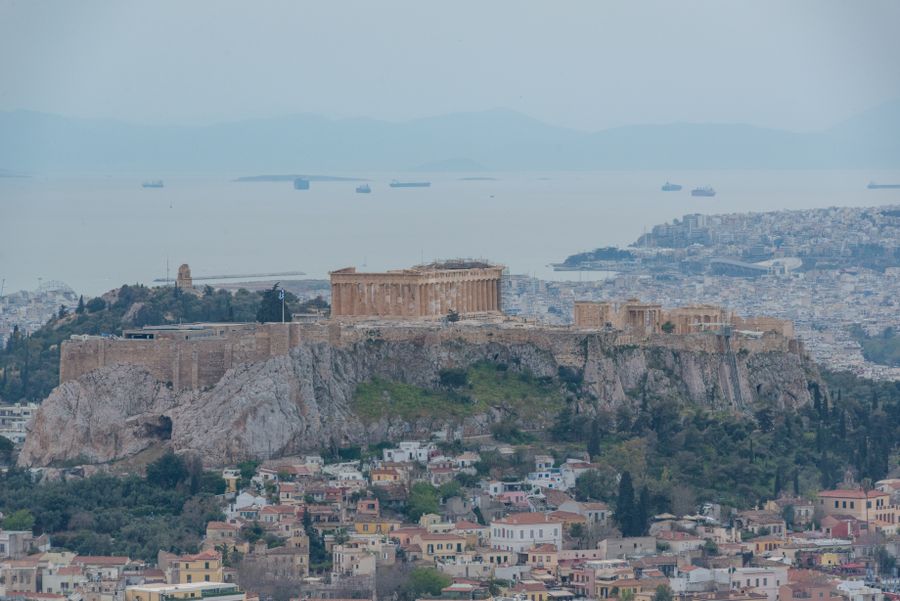
Greece has built a deliberate offer for exactly this kind of person. The country lets a qualifying high-net-worth newcomer pay a flat €100,000 a year on all foreign income for up to 15 years, provided they invest at least €500,000 in the country. For someone with income measured in the hundreds of millions, a fixed six-figure tax on overseas earnings is transformative, effectively capping a bill that would otherwise scale with their wealth. Athens also comes with an obvious lifestyle pitch. Greece is not alone in running a regime like this, but its flat-fee structure is one of the clearest, and it has been actively courting the people Britain is now taxing more heavily.
The change that set this off
Rokos is not moving in a vacuum. His exit follows the UK’s decision to abolish its non-domiciled tax status, a regime with roots going back to 1799 that had let qualifying residents avoid UK tax on much of their overseas income and gains. Scrapping it was pitched as a fairness measure, closing a loophole that let very wealthy residents live in Britain while shielding foreign wealth. The predictable counter-move is what Rokos represents: if the perk of living in London without global taxation disappears, some of the people who valued it most will simply live somewhere that offers a new version of it. He joins a list that reportedly includes steel magnate Lakshmi Mittal, businessman Nassef Sawiris, Checkout.com founder Guillaume Pousaz, and Goldman Sachs veteran Richard Gnodde.
Does it actually hurt the UK?
This is where honest people disagree, and the Rokos case feeds both arguments. One side says losing your third-biggest taxpayer is self-evidently bad: even if only a handful leave, each one takes an enormous tax contribution, spending, and investment with them, and the revenue from abolishing non-dom status could be swamped by the departures it triggers. The other side notes that headline exits are visible and dramatic while the offsetting effects are quiet, that predictions of mass flight have often been overstated, and that a regime letting the wealthiest opt out of tax on global income is hard to defend on fairness grounds regardless of who leaves. The truthful answer is that it is genuinely too early to total up. What Rokos provides is not a verdict but a data point, and a large one.
Key Takeaways
- Chris Rokos, Britain’s third-biggest taxpayer in 2025 with a £330 million bill, is moving his tax residency to Greece and opening an Athens office.
- Greece offers wealthy newcomers a flat €100,000 annual tax on foreign income for 15 years, with a €500,000 investment requirement.
- His departure follows the UK abolishing its non-dom regime, which dated back to 1799.
- He joins other departures including Lakshmi Mittal, Nassef Sawiris, Guillaume Pousaz, and Richard Gnodde.
- Whether these exits meaningfully hurt UK revenue is contested and still too early to measure.
For more money and markets coverage, browse the DelightfulBlogs Finance section, or follow our News desk.
Frequently Asked Questions
Who is Chris Rokos?
He is the founder of Rokos Capital Management, a macro hedge fund managing more than £15 billion, and an Oxford-educated trader with a net worth of around £3 billion. He was Britain’s third-largest individual taxpayer in 2025, paying £330 million.
Why is Chris Rokos moving to Greece?
Primarily for tax. Greece offers qualifying wealthy newcomers a flat €100,000 annual tax on foreign income for up to 15 years, in exchange for a €500,000 investment, which is far lower than the UK tax on income at his scale following recent changes.
What is the UK non-dom regime that was abolished?
Non-domiciled status, dating back to 1799, allowed certain UK residents to avoid UK tax on much of their overseas income and gains. The UK moved to scrap it, which removed a major reason some very wealthy residents had for basing themselves in Britain.
Which other billionaires have left the UK?
Reported departures include steel magnate Lakshmi Mittal, businessman Nassef Sawiris, Checkout.com founder Guillaume Pousaz, and Goldman Sachs veteran Richard Gnodde, among others, all cited in coverage of the post-non-dom wealth exodus.
Does losing wealthy taxpayers hurt the UK?
It is debated. Each high-profile exit removes a large tax contribution, but analysts disagree on the net effect, since predictions of mass flight have often been overstated and the fairness case for ending non-dom status stands regardless. It is too early to measure the full impact.
Final Word
Chris Rokos leaving for Athens is the kind of story that hardens whatever you already believed. If you thought the tax changes would drive the wealthy out, here is your example, complete with a £330 million price tag. If you thought the non-dom perk was indefensible, his move does nothing to change that either. What the case really shows is the trade-off the UK chose to make with its eyes open: end a regime that let global wealth live tax-light in London, and accept that some of the people who used it will take the next flat-fee offer they are handed. Greece was happy to make one, and Rokos took it.