
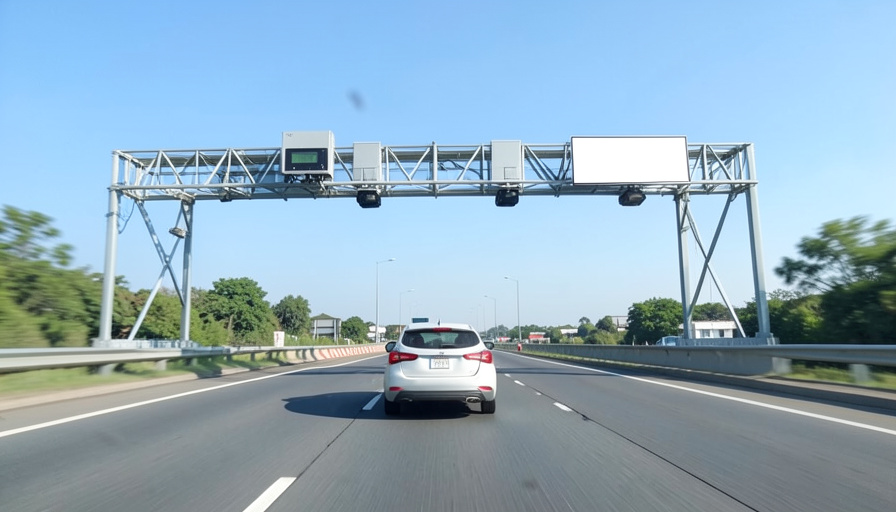
8 Rental Car Toll Fees to Compare Before You Decline
The toll transponder is one of the sneakiest line items in car rental. Say yes without thinking and a single $1.50 toll can balloon into $40 of fees by the end of a week. Say no without a plan and one missed cashless toll can cost you more than the program would have. In cities that have gone all-electronic, this is not a small decision, and the right call depends entirely on the fees involved. Here are the eight to compare before you accept or decline the transponder.
The programs go by names like PlatePass, e-Toll, and TollPass depending on the rental company, but they work the same way: the car has a built-in transponder or the toll authority photographs the plate, the charges route back to the rental company, and it bills your card the toll plus its own fees. The trap is that both accepting and declining have costs, so the goal is to compare them against your actual route rather than guessing at the counter.
The Short Version
Before deciding on the rental toll transponder, compare the daily convenience fee, usually about $4 to $7, and whether it is charged only on days you use a toll or more broadly. Check the per-rental cap, often around $20 to $35, and, most important, the administrative fee you face if you decline and still drive through a cashless toll, roughly $25 to $50 per violation. Look at whether you get the discounted electronic toll rate or a higher one, whether a single toll auto-enrolls you, whether you can bring your own transponder like E-ZPass or SunPass, and whether your route offers pay-by-plate you can settle yourself. Accepting makes sense for many unavoidable cashless tolls; declining wins when you can avoid or self-pay the tolls.
How rental toll programs actually charge you
Every rental toll program adds its own fee on top of the toll itself, and understanding the mechanics is what lets you compare them fairly. The car either carries a transponder that bills automatically or gets caught by a cashless toll’s plate camera, and either way the toll authority sends the charge to the rental company, which passes it to you with a markup. The catch that surprises people is on the other side: if you decline the program to save the fee but then drive through an all-electronic toll with no way to pay, many toll roads route the unpaid toll back to the rental company, which bills it plus a hefty administrative fee. So declining is only cheaper if you actually have a plan to handle the tolls, which is exactly what the fees below help you figure out.
The 8 fees to compare
- The daily convenience fee. This is the core cost, typically around $4 to $7 per day depending on the program, added on top of the real toll. On a week-long rental it can dwarf the tolls themselves, which is how a single small toll ends up costing many times its face value.
- Per rental day or per toll day. Read whether the daily fee applies only on days you actually use a toll or more broadly across the rental. That distinction changes your total dramatically, since an occasional toll user pays far less under a per-toll-day charge than a flat daily one.
- The maximum cap. Programs usually cap the convenience fees per rental, often around $20 to $35. If you will drive many toll days, that cap protects you and can make the program reasonable; for a single toll, the cap never comes into play and the daily fee is poor value.
- The admin fee if you decline and miss a toll. This is the risk of saying no. Drive through a cashless toll with no transponder and no payment, and the company bills the toll plus an administrative fee of roughly $25 to $50 per violation notice. One missed toll can cost more than enrolling would have.
- Whether you get the discounted rate. Some programs pass through the higher cash or toll-by-plate rate rather than the discounted electronic rate that a personal transponder would get. Losing that discount is an extra cost stacked on top of the convenience fee, so it is worth asking which rate applies.
- Automatic enrollment from one toll. Many programs enroll you the instant you pass through a single cashless toll, even if you never opted in at the counter, which triggers the daily fees. If you plan to decline, do it explicitly and know whether your route has any unavoidable electronic tolls.
- Whether you can use your own transponder. Many rental companies and toll authorities let you bring and mount your personal E-ZPass, SunPass, or similar pass, avoiding all program fees entirely, as long as the car’s built-in transponder is deactivated. Confirm compatibility and that the rental’s device is off.
- Whether your route offers pay-by-plate. Some toll roads let you pay online by license plate within a grace period after driving. If your route allows it and you stay organized, you can decline the program and settle the tolls yourself at the real rate, skipping every added fee.

So should you decline the transponder?
It comes down to your route and your willingness to manage it. Decline the program if you can realistically avoid toll roads, if you can bring your own transponder, or if your route uses pay-by-plate tolls you are willing to settle online within the grace period, because in those cases the program is pure added cost. Accept it if your route is full of unavoidable cashless tolls and you know you will not pay them another way, since the daily fee and its cap are usually cheaper than a string of $25-to-$50 admin fees for missed tolls. The quick math helps: one or two tolls on a long rental make the daily fee terrible value, while many toll days on a short rental often hit the cap and make the program the sensible choice. Decide before you leave the lot, not after the first camera flashes.
Main Takeaways
- Rental toll programs add a daily convenience fee of about $4 to $7 on top of the toll, which can far exceed the tolls on a longer rental.
- Check whether the fee is charged per toll day or more broadly, and note the per-rental cap of roughly $20 to $35.
- Declining is only cheaper if you have a plan, since a missed cashless toll brings an admin fee of about $25 to $50 per violation.
- Bringing your own E-ZPass or SunPass, where allowed, avoids all program fees, provided the car’s built-in transponder is off.
- Accept the program for many unavoidable cashless tolls; decline when you can avoid the tolls or pay them yourself by plate.
For more travel and car guides, browse the DelightfulBlogs Travel section, or follow our Automotive desk.
Frequently Asked Questions
What is the rental car toll convenience fee?
It is a daily charge the rental company adds on top of the actual toll for using its transponder program, typically around $4 to $7 per day depending on the company and location. It is usually capped per rental, often near $20 to $35, but on a longer trip with few tolls it can cost many times more than the tolls themselves.
What happens if I decline the toll program and drive through a cashless toll?
The unpaid toll routes back to the rental company through the plate camera, and it bills you the toll plus an administrative fee, commonly about $25 to $50 per violation notice. Because that fee can exceed the program’s cost, declining only saves money if you have a way to pay the tolls yourself or avoid them.
Can I use my own E-ZPass or SunPass in a rental car?
Often yes. Many rental companies and toll authorities allow you to bring and mount your personal transponder, which avoids all program fees and gets you the discounted rate. The key is confirming that the rental’s built-in transponder is deactivated, so you are not charged twice or enrolled in the program by accident.
Does declining the transponder always save money?
No. It saves money only if you can avoid toll roads, use your own transponder, or pay tolls yourself by plate within the grace period. If your route has unavoidable cashless tolls and you do not pay them, the admin fees for missed tolls can easily cost more than simply accepting the program would have.
Will one toll enroll me in the whole program?
It can. Many programs automatically enroll you the moment you pass through a single cashless toll, triggering the daily convenience fees even if you declined at the counter. If you intend to avoid the program, plan a route without unavoidable electronic tolls, or arrange your own transponder or pay-by-plate method in advance.
The Bottom Line
The rental toll transponder is not automatically a rip-off or automatically worth it; it depends on the fees and your trip. Compare the daily charge and its cap against the admin fees you would face for missed tolls, factor in whether you can bring your own pass or pay by plate, and match that to how many tolls your route actually has. A minute of comparison at the counter, before the first gantry flashes, is what keeps a $1.50 toll from quietly becoming the most expensive part of your drive.