
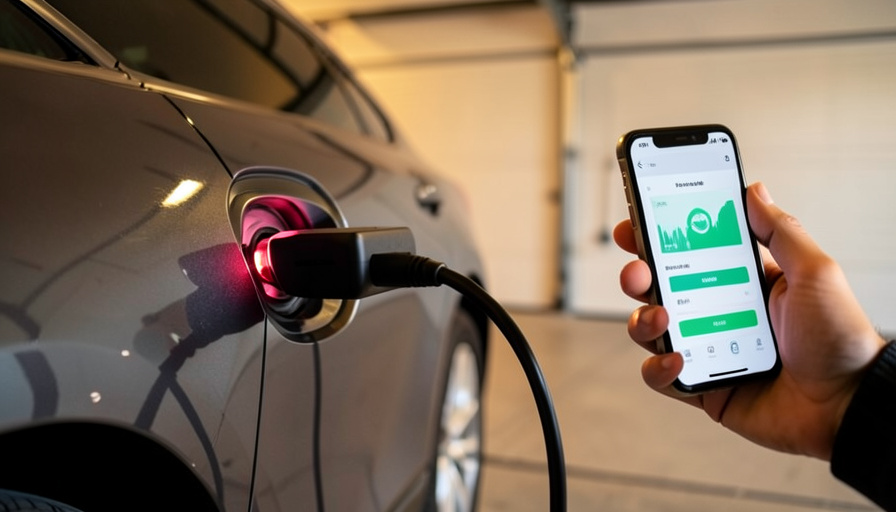
11 EV Home Charger Features That Avoid Surprise Charges
You get home, plug in the EV, and go inside, the same routine every evening. The trouble is that a Level 2 charger can pull as much power as the rest of your house combined, and doing it at 6 p.m. is often the single most expensive way to fuel your car. On time-of-use rates you pay a peak premium, and on the growing number of EV rate plans that add a demand charge, that one evening spike can set a fee for the whole month. The good news is that the right charger features handle all of this automatically. Here are eleven that keep your charging cheap.
Before the list, one clarification worth making: most homes are billed for the energy they use, increasingly with higher prices during peak hours, while demand charges, which are based on your single highest burst of power, have traditionally been a commercial thing. They are now appearing on some optional EV and whole-home rate plans, and an unmanaged charger is exactly what sets an expensive peak. The features below shift your charging to cheap hours and smooth its draw, which protects you on either kind of plan.
The Short Version
To keep home EV charging from spiking your bill, look for a charger with scheduled or delayed charging so it runs during off-peak hours, adjustable amperage to cap its power draw, and dynamic load management that throttles charging to match your panel’s spare capacity. Add utility program and time-of-use integration, energy monitoring, app scheduling, solar-surplus charging, a randomized or staggered start, multi-charger circuit sharing, a “ready by” departure setting, and automatic firmware and rate-schedule updates. Together these shift charging to cheap hours and smooth its draw, which avoids time-of-use peak pricing and keeps you from setting a costly demand peak, all without an expensive panel upgrade.
Why home charging can trigger a surprise charge
A Level 2 home charger commonly draws 7 to 11 kilowatts or more, which can rival the rest of your home’s use at once, and plugging in right after work lands that load squarely in the most expensive part of the day. On a time-of-use rate you pay a steep peak price for those evening hours, and some utilities offer special EV rates precisely to reward shifting to off-peak, as the Department of Energy’s guide to charging at home describes. On a rate plan that includes a demand charge, your highest single burst of power sets a monthly fee, and smart charge management can lower it by scheduling off-peak and reducing the coincident peaks that drive demand charges. The features that follow put that shifting and smoothing on autopilot.
This is general information, not financial or electrical advice. Rate structures vary widely by utility and state, and residential demand charges are still uncommon but growing on optional EV plans, so check your utility’s rate options and any EV time-of-use or managed-charging program. Any circuit or panel work should be done by a licensed electrician.
The 11 features to look for
- Scheduled and delayed charging. The single biggest saver is a charger that starts automatically during off-peak or overnight hours instead of the moment you plug in. Set it once to match your utility’s cheap window, and your car quietly fills up at the lowest rate while you sleep.
- Adjustable amperage. A charger whose output current you can dial down, say from 48 to 32 or 24 amps, lets you cap how much power it pulls at once. That lowers your peak draw for a demand-rate plan and can let you charge on an existing circuit without an upgrade.
- Dynamic load management. This feature watches your home’s total electricity use through a sensor and automatically throttles the car’s charging so the combined load never exceeds your panel’s capacity. It prevents both a tripped main breaker and an accidental demand spike when the oven and dryer are already running.
- Utility program and time-of-use integration. Chargers that connect to your utility’s managed-charging or demand-response program can shift charging automatically and may earn you bill credits or rebates. Built-in awareness of your time-of-use schedule keeps charging in the cheap hours even as those hours change seasonally.
- Energy monitoring and reporting. Real-time and historical data on how many kilowatt-hours you used, and your peak draw, lets you see what charging actually costs and catch a problem before the bill arrives. You cannot manage a peak you cannot see, so this visibility matters.
- App scheduling and smart-home integration. A good app lets you set schedules, get notifications, and tie charging into a broader home energy system. Integration with home automation or energy platforms means the car can charge when power is cheapest or cleanest without you thinking about it.
- Solar-surplus charging. If you have solar panels, a charger that can draw from your excess daytime generation lets you fuel the car on power you already produced rather than buying it at a peak grid rate. It turns midday sunshine into free miles instead of exported surplus.
- Randomized or staggered start. A brief random delay before charging begins keeps your car, and everyone else’s, from all switching on at the exact top of the hour. Smoothing that surge helps avoid a sharp demand peak and plays nicely with utility grid programs.
- Multi-charger circuit sharing. If you charge two EVs, chargers that share a single circuit’s capacity split the available power between them rather than doubling your draw. That keeps a two-car household from needing a larger, costlier electrical service.
- A “ready by” departure setting. Instead of charging at full power the instant you plug in, this feature works backward from when you need the car, filling it during the cheapest window so it is ready at departure. You get a full battery without paying peak rates to rush it.
- Automatic firmware and rate-schedule updates. A charger that updates itself keeps its time-of-use windows and utility program logic current, so your scheduling stays accurate when rates or peak hours change. Set-and-forget only works if the charger keeps up with your plan.
- Certified safety and proper installation support. Look for a charger that is safety-certified and clear about its circuit and breaker requirements, so a licensed electrician can install it correctly. Right-sizing the circuit up front is what makes load management and amperage limits actually protect your home.
How to set up charging that stays cheap
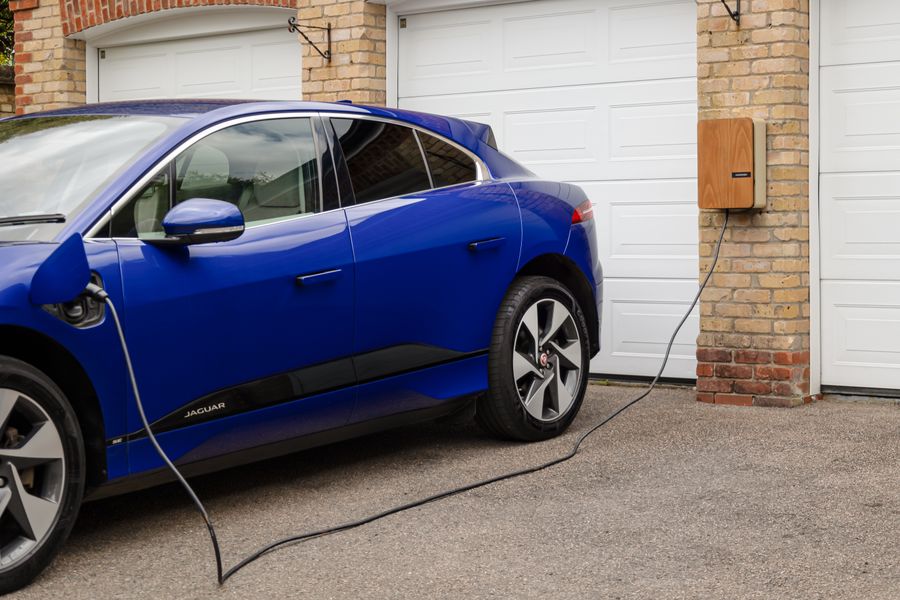
Start by finding out how your utility bills you, since the plan decides your strategy. Look up whether you are on a flat rate, time-of-use pricing, or an EV rate plan, and ask whether any plan includes a demand charge or offers a managed-charging incentive. Then set your charger to run only during the cheapest window, use the “ready by” feature so the car is full by morning, and turn on load management so charging backs off when the rest of the house is busy. If you have solar, prioritize charging from surplus during the day. Have a licensed electrician confirm your circuit is sized correctly and set the charger’s amperage to match, and check your first month’s usage data to confirm the schedule is landing in off-peak hours. Set up thoughtfully once, and cheap, smooth charging simply happens every night after.
Main Takeaways
- A Level 2 charger can rival your whole home’s power draw, so charging at peak evening hours is the most expensive way to fuel an EV.
- Scheduled and delayed charging that runs off-peak is the biggest money saver, especially on time-of-use rates.
- Adjustable amperage and dynamic load management cap and smooth your draw, avoiding demand spikes and panel upgrades.
- Utility program integration, solar-surplus charging, and a “ready by” setting shift charging to the cheapest, cleanest power.
- Confirm your utility rate plan, size the circuit with a licensed electrician, and check your usage data to verify off-peak charging.
For more EV and home-energy guides, browse the DelightfulBlogs Automotive section, or see our guide to GFCI outlet symptoms that signal a wiring problem.
Frequently Asked Questions
What is a demand charge on an EV rate plan?
A demand charge is a fee based on your highest single burst of power during the billing period, measured in kilowatts, rather than the total energy you use. It has long been common for businesses and is now appearing on some optional residential EV and whole-home rate plans. An unmanaged charger drawing full power at a busy time can set a high peak, so smoothing and shifting that load lowers the charge.
How does scheduled charging save money?
Scheduled charging runs your EV during off-peak hours when electricity is cheapest, instead of at the peak evening rate when you first plug in. On time-of-use pricing the difference between peak and off-peak can be large, so simply setting the charger to start late at night can meaningfully cut what each charge costs, with no change to your routine.
Do I need a smart charger, or is a basic one fine?
A basic charger works, but it charges at full power the instant you plug in, which is the costliest approach on time-of-use or demand-based plans. A smart charger with scheduling, adjustable amperage, and load management pays for itself by shifting charging to cheap hours and avoiding demand peaks and panel upgrades. If your utility has EV rates, the smart features matter more.
Will an EV charger overload my electrical panel?
It can if the circuit is undersized or too much runs at once, which is why dynamic load management and adjustable amperage matter. Load management throttles charging when the rest of the house is drawing heavily, and a right-sized circuit installed by a licensed electrician ensures the charger stays within your panel’s capacity. Together they let many homes add charging without a costly service upgrade.
Can I charge my EV from my solar panels?
Yes, if your charger supports solar-surplus charging, it can draw from the excess power your panels generate during the day rather than pulling from the grid. This uses electricity you already produced instead of exporting it, often the cheapest way to charge. The feature works best when you can charge midday, so it suits people who are home or have a flexible schedule.
The Bottom Line
An EV is only cheap to run if you charge it smartly, and the default habit of plugging in at dinnertime is the opposite of that. The features here, led by scheduled off-peak charging, adjustable amperage, and load management, let your charger do the thinking: filling the car in the cheap hours, capping its draw so it never sets an expensive peak, and staying within your panel without a pricey upgrade. Check how your utility bills you, pick a charger with these controls, and set it up once. After that, the savings show up every single night while you are asleep.