
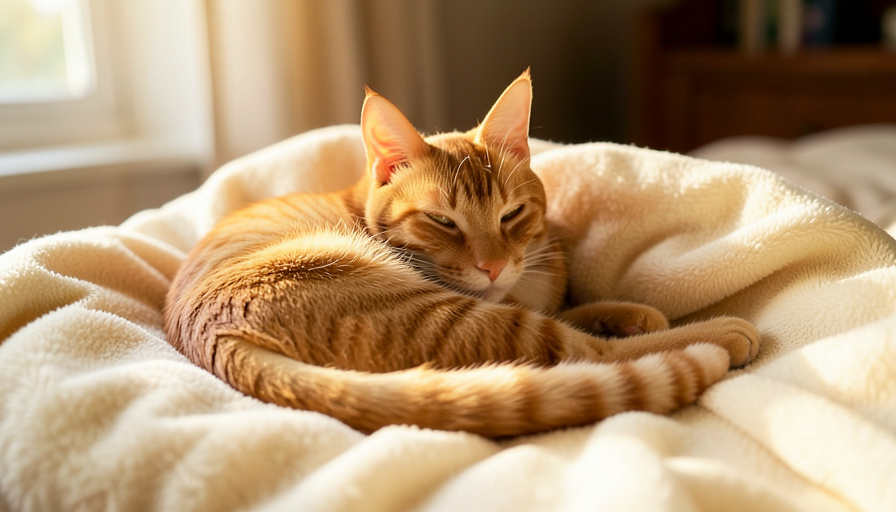
Linny the Cat Survived an Air-Rifle Attack
An orange cat named Linny took an air-rifle pellet to the head and lived. Thousands of strangers online spent a week holding their breath for him.
Some stories travel because they are enormous. This one traveled because it was small and human, a family’s pet, a terrible thing done to him, and a recovery that a lot of people needed to see go right. Linny’s survival became a minor internet event, and underneath the happy ending is a problem worth understanding.
In Brief
Linny, an orange cat, was shot with an air rifle, leaving a pellet lodged about 18 millimeters deep in his nasal cavity, close to his eye. After a CT scan, surgeons performed a delicate procedure called a dorsal rhinotomy to remove it. He came through, was discharged, and is now home, eating and moving around normally. His story spread across cat communities online, where thousands followed his recovery and a crowdfunding effort covered his care. The happy ending aside, it is a reminder that air-gun attacks on pets are common, illegal, and something you can report.
Table of Contents
What Happened to Linny
The details are hard to hear, so here they are plainly and then we move on. Linny was shot with an air rifle, and the pellet came to rest deep in his nasal cavity, right next to his eye. His family got him to veterinary care, where a CT scan mapped exactly where the pellet was before anyone attempted to remove it. That imaging mattered, because the pellet’s position made this more than a simple extraction.
Surgeons performed a dorsal rhinotomy, a procedure that opens the top of the nasal cavity to reach something lodged inside, and took the pellet out. For a small animal shot in the head, coming through that surgery at all is the good outcome, and Linny got it.
The Recovery, and the Community That Rallied
The part that turned a grim event into something people wanted to follow was what came after. Within a day of the operation, Linny was discharged and back home, eating and pottering around as if nothing had happened. His head had been shaved for surgery, and his family leaned into the absurdity of it, joking about his terrible new haircut, which is how a badly hurt cat ended up with a fan club.
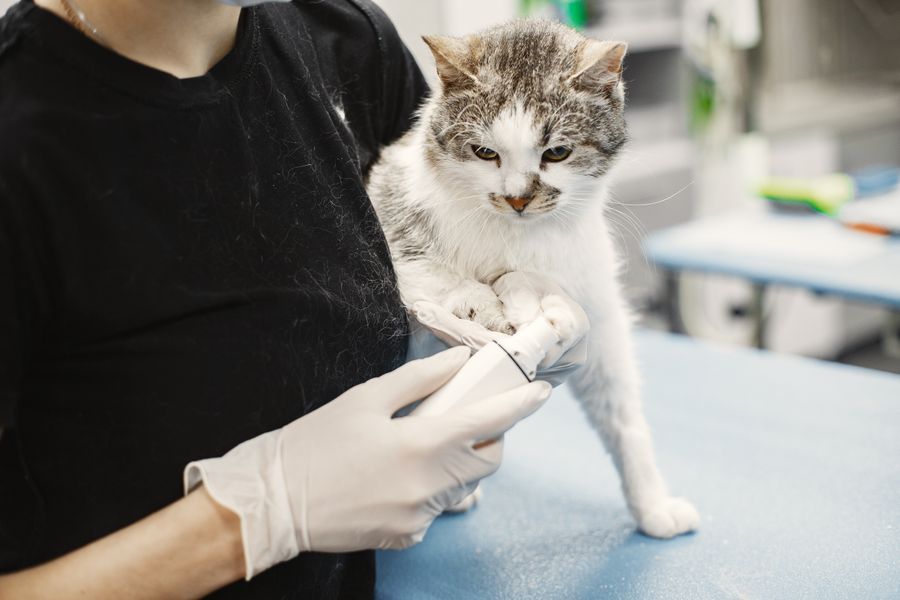
The online response was the other half of the story. Thousands of people followed Linny across cat communities, and the family said the messages and jokes carried them through a genuinely traumatic week, a wave of support captured in the update that he had survived his surgery. A crowdfunding effort raised enough to cover his treatment and expected follow-up care, which is a story we will come back to on its own.
Why Stories Like Linny’s Keep Happening
Linny is one cat, but the thing that happened to him is not rare. Animal-welfare groups treat air-gun attacks on pets as a recurring, serious problem. In the UK, the RSPCA says it receives close to 1,000 calls a year about air-gun attacks on animals, with reports tending to rise in the warmer months, a pattern reflected in appeals after cats are shot.
It is also illegal. Deliberately using an air gun to injure an animal is a crime under animal-welfare law, and a conviction can carry a prison sentence and a fine. The point is not to alarm anyone about letting a cat outside. It is that these attacks are recognized, prosecutable, and worth reporting rather than shrugging off.
What to Do If a Pet Is Shot
If you ever face this, a few steps matter. Get the animal to a vet immediately, and do not try to remove a pellet yourself, since its position, as in Linny’s case, can make that dangerous. Keep the animal calm and warm on the way. Afterward, report the incident to the relevant authority, which in the UK is the RSPCA and, where a crime is involved, the police, and preserve anything that might help, including CCTV or doorbell footage. Those records are often what turns a report into an actual case.
This article is general information, not veterinary or legal advice. If a pet is injured, contact a veterinarian right away, and consult local authorities about reporting.
What To Know
- Linny, an orange cat, survived being shot with an air rifle that lodged a pellet near his eye.
- Surgeons removed it with a dorsal rhinotomy after a CT scan, and he is now home and recovering.
- His story spread across cat communities online, and crowdfunding covered his care.
- Air-gun attacks on pets are common and illegal, with the RSPCA citing close to 1,000 calls a year in the UK.
- If a pet is shot, get emergency veterinary care, do not remove the pellet yourself, and report it.
For more community and world coverage, follow the DelightfulBlogs News desk, or see related pet and family stories in our Family & Personal section.
Frequently Asked Questions
What happened to Linny the cat?
Linny, an orange cat, was shot with an air rifle. The pellet lodged deep in his nasal cavity near his eye, and surgeons removed it in an operation after a CT scan.
Did Linny survive?
Yes. He came through the surgery, was discharged, and is now home eating and moving around normally, according to his family’s updates.
Is it illegal to shoot a cat with an air rifle?
Yes. Deliberately injuring an animal with an air gun is a crime under animal-welfare law and can lead to a prison sentence and a fine on conviction.
What should I do if my pet is shot?
Get the animal to a vet immediately and do not try to remove a pellet yourself. Keep it calm and warm, then report the incident to the appropriate authority and preserve any footage.
How can I help animals like Linny?
Reporting attacks, sharing verified appeals, and supporting reputable animal-welfare organizations all help. Following and backing legitimate recovery fundraisers is another way people rallied around Linny specifically.
Final Word
What makes Linny’s story land is the contrast: something cruel and senseless, met with a wave of care that actually changed the outcome. He is home because a family acted fast, a surgical team did difficult work, and a lot of strangers decided a small orange cat was worth their attention. The reason to tell it goes past the happy ending. That same attention, pointed at reporting these attacks and taking them seriously, is what makes the next cat’s odds a little better.