
Odesa Strike Images: How to Verify Before Sharing
When a strike hits, footage fills your feed within minutes. Some of it is real. Some of it is old, mislabeled, or lifted from a video game.
After an attack on a residential building in Odesa, the images travel before the facts do. That is not unique to any one strike. It is how the modern information environment works: raw footage spreads at the speed of a share, long before anyone has confirmed where it came from. Learning to slow down for a few seconds, and check, is one of the more useful habits a news consumer can build.
The Short Version
When a strike hits a place like a residential block in Odesa, photos and videos spread within minutes, and a portion of them are not what they claim. Old clips from past attacks, footage from other conflicts, and even scenes from video games get relabeled as the latest event. Before you share, you can verify: run a reverse image search, find who originally posted it and when, check that the light, signs, and weather match the claim, and lean on trusted newsrooms and official channels. A few seconds of checking keeps you from amplifying misinformation.
Table of Contents
Why Old Footage Recirculates During Attacks
The pattern is predictable because the incentives are. In the first hour after a strike, demand for information is enormous and verified footage is scarce, so anything dramatic fills the vacuum. Some of it is honest confusion, an old clip reshared by someone who believes it is current. Some of it is deliberate, engineered to inflame or mislead. Either way, the emotional charge of the moment is what makes people share before they check.
The recycled material takes familiar forms: footage from a previous attack, clips from an entirely different conflict, military-parade video passed off as combat, and, increasingly, scenes from realistic video games. Fabricated war clips drawn from games have misled millions on social media, precisely because they look convincing at a glance on a small screen.
How to Verify an Image or Video
You do not need to be an investigator to run basic checks. A handful of steps catches most fakes.
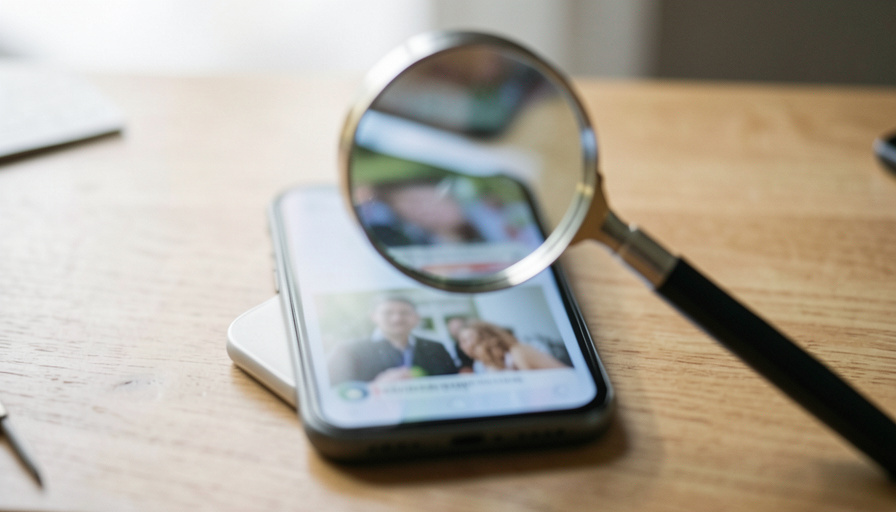
- Reverse image search. Drop a screenshot into Google Images or TinEye to see where else it has appeared. If the same picture shows up from years ago, it is not new. One caveat: simple edits like flipping an image left-to-right can fool the search, so try a mirrored version if something feels off.
- Find the original source. Trace the clip back to the first account that posted it, then check when they posted it and what they actually said. Reposts strip context; the original often restores it.
- Read the details. Does the direction of the light match the claimed time of day? Do signs, license plates, language, and architecture fit the stated location? Does the weather match what it was doing there that day?
- Geolocate it. Compare landmarks in the footage against Google Maps or satellite imagery to confirm the place is where the caption says it is.
These are the same instincts professional teams use, laid out in guidance on the ways to spot fake viral footage.
Who to Trust, and When to Wait
Verification is easier when you know where to look. Established newsrooms increasingly run visual-verification desks that authenticate footage before publishing, and official emergency services and city authorities are the reliable source for what actually happened on the ground. Reputable open-source researchers can be useful too, though anonymous viral accounts deserve caution rather than trust.
When you cannot confirm something, the best move is the simplest: wait. In a fast-moving strike aftermath, the verified account usually arrives within hours. Sharing the unverified version early does not help anyone, and it often means circulating something that turns out to be wrong.
How to Avoid Amplifying Misinformation
Sharing is an action with consequences, especially during an attack. A few habits keep you from making the problem worse. Do not share footage you cannot verify. If you add a post, add context and say plainly when something is unconfirmed. If you shared something that turns out to be false, correct it openly rather than quietly deleting. And resist the clips engineered purely to provoke a reaction, since engagement is exactly what they are built to harvest.
The stakes are real. Misinformation during a crisis can spread panic, endanger people on the ground, and drown out the verified appeals for help that actually reach victims. Slowing down is not passivity. It is the responsible version of paying attention.
Key Takeaways
- After a strike, real and fake footage spread together within minutes, so speed is the enemy of accuracy.
- Recycled material includes old attacks, other conflicts, parades, and video-game clips relabeled as current.
- Verify with reverse image search, original-source tracing, detail checks, and geolocation.
- Trust established newsrooms and official channels, and be cautious with anonymous viral accounts.
- Do not share what you cannot confirm, add context when you do, and correct yourself if you get it wrong.
For more coverage of world events and the information around them, follow the DelightfulBlogs News desk, or see related explainers in our Tech section.
Frequently Asked Questions
How do I check whether a photo is old?
Run a reverse image search using Google Images or TinEye. If the same image appears in results from before the event, it is recycled. Be aware that flipping or cropping an image can sometimes defeat the search.
What is a reverse image search?
It is a tool that takes a picture instead of words and finds where else that image appears online. It is the fastest way to tell whether a “breaking” photo has actually been circulating for months or years.
Why do video-game clips go viral as war footage?
Modern games look realistic, and on a small phone screen a short, dramatic clip is hard to distinguish from real footage. That, combined with the rush to share during an attack, lets game scenes spread as if they were genuine.
Who should I trust for strike news?
Established newsrooms with verification teams and official emergency or city authorities are the most reliable. Reputable open-source researchers can help, but treat anonymous viral accounts with caution until their material is confirmed.
What should I do if I shared something fake?
Correct it openly. Post an update noting the footage was not genuine rather than quietly deleting, so the people who saw your original share also see the correction.
What This Means
The uncomfortable truth of a modern strike is that two events happen at once: the attack itself, and the flood of imagery that races out ahead of the facts. You cannot control the first, but you have real influence over the second. Every time someone pauses to verify before sharing, the misinformation loses a little momentum and the accurate account gains it. In a crisis, that small act of restraint is one of the few things an ordinary person can do that genuinely helps.