
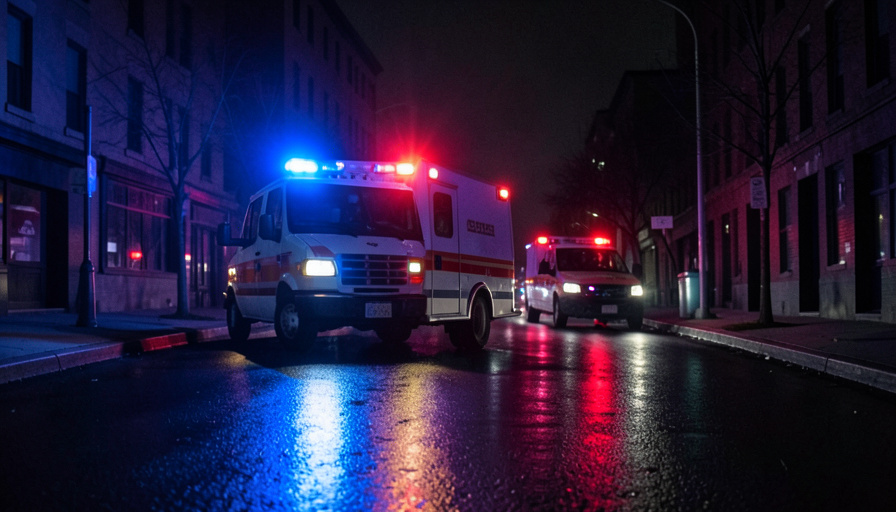
Odesa Residential Strike Renews Focus on Civilian Safety Steps
An overnight strike damaged an Odesa apartment block and sent injured residents to hospital. Here is what officials reported, and the safety steps people in the city rely on.
Another overnight attack on Odesa put a residential building at the center of the news, and with it the question residents in the Black Sea port city ask most often: what are you actually supposed to do when the alerts go off. This piece sticks to what officials have confirmed and to the practical guidance that shapes daily life there, without the graphic detail that spreads faster than facts.
In Brief
During an overnight attack on September 12, 2026, a multi-story residential building in Odesa was hit and damaged, with the upper floors of the high-rise heavily destroyed. The head of the Odesa City Military Administration reported at least 12 people injured, and some later counts were higher, including children. All of the injured were hospitalized, emergency crews worked the scene, and an operational headquarters was set up to help affected residents. The strike was one of several on the city in early September.
Table of Contents
What Officials Reported
According to the Odesa City Military Administration, the September 12 strike damaged a multi-story apartment building overnight and injured at least a dozen residents, with the top floors of the high-rise destroyed. Reporting from the Kyiv Independent noted the injured were taken to hospital as crews searched the building.
It did not happen in isolation. Odesa absorbed a series of overnight strikes in early September. An attack on September 3 damaged apartments in a 21-story building and injured seventeen people, and a strike on September 4 hit a nine-story building and killed one person, as Meduza reported. For a port city that has lived with this for a long time, the pattern is grimly familiar, which is exactly why the safety routines are so well established.
The Safety Advisories Residents Rely On
Life in a city under repeated attack runs on a small set of habits that authorities reinforce constantly.
- Air-raid alerts. Sirens and phone apps signal when to move. Residents keep an alert app running so a warning reaches them even when sirens are hard to hear.
- The two-walls rule. When shelter is not reachable in time, guidance is to put two walls between yourself and the outside, moving to a corridor or bathroom away from windows.
- Shelters and metro stations. Marked shelters and underground stations are the first choice when there is time to reach them.
- A ready bag. Documents, water, a charger, and medication kept by the door save critical minutes.
- Official channels only. The State Emergency Service and city administration are the authoritative sources for what is confirmed and where to go.

How the Emergency Response Works
After a strike, the sequence is practiced. Emergency crews and medics reach the site to search damaged floors and treat the injured, who are moved to hospitals. Local authorities stand up an operational headquarters, a single point where displaced residents can get help with temporary housing, documents, and basic needs.
That coordination matters as much as the rescue itself. People who lose an apartment overnight need somewhere to go and someone to tell them what happens next, and the headquarters model is how cities like Odesa try to answer both quickly.
Staying Informed Without Spreading Misinformation
One quiet piece of safety advice applies to everyone watching from a distance too. Early footage of a strike travels fast and is often wrong about location, cause, or casualties. Waiting for the city administration or the State Emergency Service before sharing figures is not passivity. It is how you avoid amplifying panic or errors during the hours when facts are still being confirmed.
Key Takeaways
- An overnight strike on September 12, 2026 damaged an Odesa apartment building and injured at least 12 residents, per city officials.
- It followed several other strikes on the city in early September.
- Core safety habits include air-raid apps, the two-walls rule, shelters, and a ready bag.
- Authorities set up an operational headquarters to help displaced residents.
- Verify casualty details through official channels before sharing them.
For more coverage of public safety and world events, follow the DelightfulBlogs News desk, or see our Travel section for regional context and advisories.
Frequently Asked Questions
What happened in Odesa on September 12, 2026?
An overnight attack damaged a multi-story residential building, destroying upper floors and injuring at least 12 people according to the Odesa City Military Administration. The injured were hospitalized and emergency crews responded at the scene.
Was this the only recent strike on Odesa?
No. It followed a series of overnight strikes on the city in early September, including attacks on September 3 and 4 that damaged residential buildings and caused casualties.
What is the “two walls” rule?
It is a common safety guideline for when reaching a shelter is not possible in time: place two walls between yourself and the outside, such as moving to an interior corridor or bathroom away from windows, to reduce the risk from blast and debris.
How do residents get warnings?
Through air-raid sirens and dedicated alert apps on their phones, backed by updates from the State Emergency Service and the city administration, which many residents keep running at all times.
Where can affected residents get help?
Local authorities set up an operational headquarters after a strike to coordinate assistance, including temporary housing, replacement documents, and basic supplies for people displaced from damaged buildings.
Closing Thoughts
Behind the alarming footage, the Odesa story is also one of routine and response: alerts that give people minutes, rules that use those minutes well, and a system built to catch residents who lose their homes in the dark. None of that undoes the damage of a strike on an apartment block. What it does is keep more people alive and give the displaced somewhere to turn, and for a city that has rehearsed this too many times, that preparation is the difference the headlines rarely capture.