
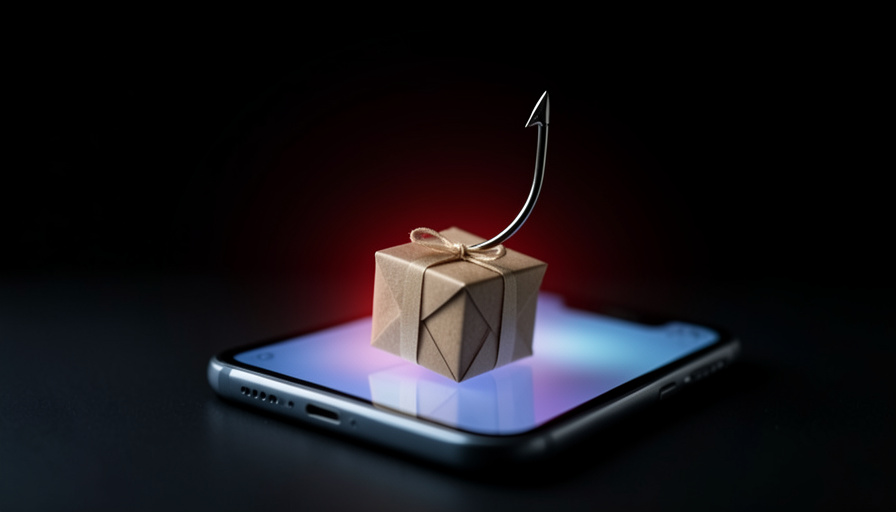
Fake Freebie Giveaways Are Flooding X: How to Spot Them
The giveaway spam clogging X right now is a different animal from the fake crypto posts. It is offering free fast food, designer bags, and gift cards, and what it actually wants is your data and your card details. Here is how to recognize it before you tap.
Scam giveaways go where the attention is, and lately the attention is on freebies people actually want. Instead of implausible “we are giving away Bitcoin” posts, feeds are filling with fake fast-food coupons, trendy designer-goods giveaways, and too-good gift card offers. The lure changed because the old one got easy to spot. The mechanics underneath, and the damage they do, are worth understanding, because this version is aimed at ordinary shoppers rather than crypto holders.
Short Answer
The current wave of giveaway spam on X impersonates familiar brands, fast-food chains, fashion labels, big retailers, and promises a free product or gift card in exchange for a like, a repost, and a tap through to a link. The goal is not a prize. It is to harvest your personal information, your login details, or a small “shipping” or “verification” payment that hands over your card. Consumer watchdogs are clear on the rule that beats almost all of them: a legitimate company will never ask you to pay a fee or hand over sensitive data to claim a prize you have supposedly won.
What this wave looks like
The format is consistent even as the brand names rotate. A post appears from an account made to look like a real chain or label, sometimes with a checkmark bought to add fake credibility, announcing a giveaway timed to something plausible, an anniversary, a new location, a seasonal promotion. It asks you to follow, like, repost, and click a link to “claim” or “enter.” Fast-food freebies work because they are small and believable. Luxury and designer giveaways work because they are aspirational and ride whatever fashion trend is peaking. The specific bait is interchangeable. The ask is always the same: engage, then click.
What they are actually after
This is where it diverges from the crypto scams. Those wanted you to send cryptocurrency to a wallet. This wave wants information and access, and it collects it a few different ways. Some links lead to a fake “quick survey” that promises a gift card at the end, a card that was never going to arrive while your answers and details are harvested. Others are phishing pages built to capture your logins, including the multi-factor codes that protect your accounts. And a common variant asks for a small “shipping fee” or “identity confirmation,” which is really a way to grab your card number. If you want the parallel version aimed at crypto users, we broke down why fake crypto giveaways keep flooding X separately.
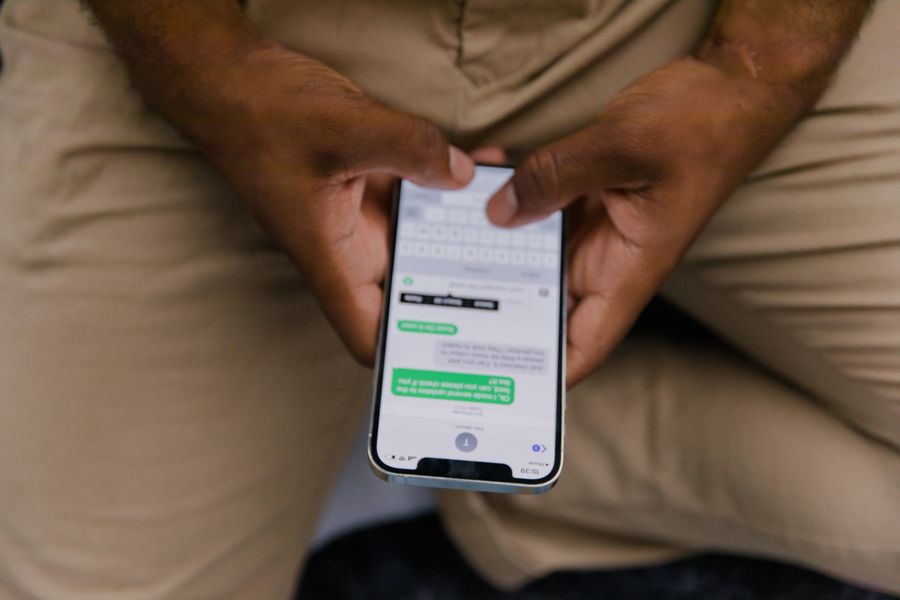
The red flags that give it away
Almost every version trips at least one of the same wires. Watch for these:
- A request to pay anything to receive a “free” prize, whether it is called shipping, a processing fee, or a deposit.
- A link to a survey or an outside site that asks for personal details, passwords, or a verification code.
- An account that copies a brand’s name and logo but has a slightly-off handle, a recent creation date, or few real followers.
- Pressure and urgency, a countdown, “only 5 left,” or “claim in the next hour,” designed to rush you past your judgment.
- An instruction to repost or share to friends, which quietly spreads the scam to your network and widens its reach.
How to protect yourself
The defense is boring and effective. Do not use the link in the post. If a brand appears to be running a giveaway, go to its official website or verified account directly and check whether the promotion exists there, with real terms and conditions attached. The Better Business Bureau’s standing advice is to verify any promotion with the company itself rather than trusting a link in a message, and to remember that a real sweepstakes never requires a payment to release a prize. If you have already clicked and entered details, change the affected passwords, turn on or reset multi-factor authentication, and watch your card statement for anything you did not authorize.
What To Know
- The current X giveaway spam impersonates fast-food chains, fashion labels, and retailers, not crypto brands.
- It is after personal data, account logins including MFA codes, or a small “shipping” payment that steals your card.
- Fake surveys promising a gift card are a common front for harvesting your information.
- The reliable rule: a legitimate company never asks you to pay a fee or hand over sensitive data to claim a prize.
- Verify any giveaway on the brand’s official site or account, and never enter details through a link in the post.
For more online-safety coverage, follow the DelightfulBlogs News desk, or browse our Tech section.
Frequently Asked Questions
Are the fast-food giveaways on X real?
Almost never in the form of a random post asking you to click a link. Real brand promotions run on official, verified channels with published terms. A giveaway that arrives as spam and pushes you to an outside link to “claim” a freebie is a scam designed to collect your data or payment.
What do these giveaway scams actually want?
Your information and access, rather than a wallet transfer. Depending on the version, they harvest personal details through fake surveys, steal logins and multi-factor codes through phishing pages, or take your card number via a bogus “shipping” or “verification” fee.
Is it safe to just enter without paying?
No. Even without a payment, entering usually means handing over personal information or account credentials on a phishing page, which is the point. The safest move is to not click the link at all and to verify the promotion directly with the brand.
Why do these scams ask me to repost or share?
Sharing spreads the scam to your followers and friends, expanding the pool of potential victims using your account’s credibility. It also boosts the post’s reach on the platform. A giveaway that requires you to spread it is a warning sign.
What should I do if I already clicked and entered my details?
Change the passwords for any accounts you may have exposed, turn on or reset multi-factor authentication, and monitor your bank or card statements for unauthorized charges. If you entered card details, contact your bank about a possible replacement.
What To Do Next
Treat every giveaway that lands in your feed as a claim to verify, not a prize to collect. The scammers keep swapping the bait, from crypto to burgers to designer bags, because the wrapper is the only thing that has to change; the trick underneath is always to get you to click, share, and hand something over. The one habit that survives every new version is refusing to act inside the post. Go to the source, check for real terms, and let anything that demands a fee or your login sit exactly where it is, unclicked.